
Advice
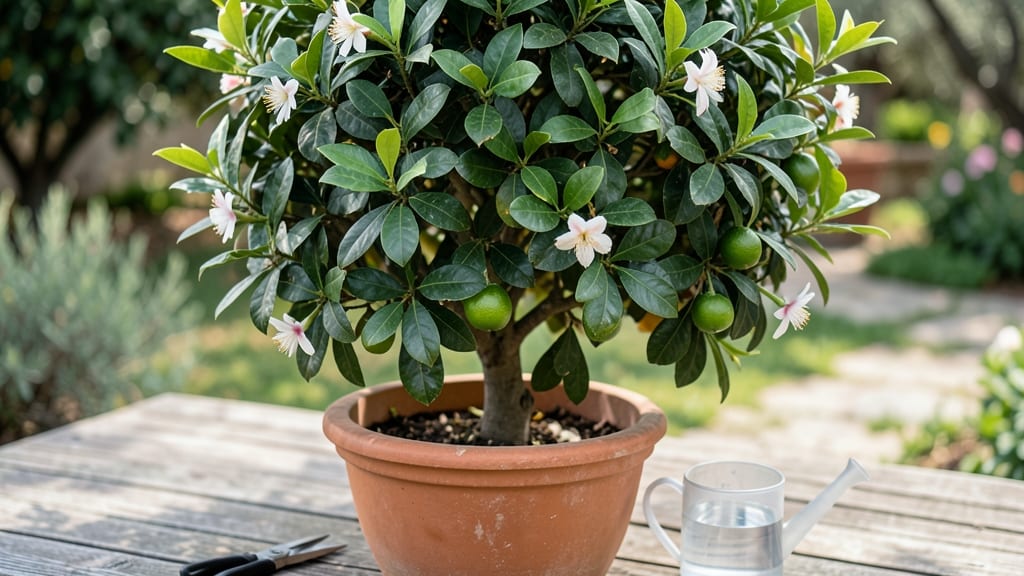
USDA Zones 8-10 let you garden year-round thanks to mild winters and long growing seasons, but local conditions like urban heat or coastal winds can change your planting schedule by weeks. Start warm-season crops in early spring, plant cool-season veggies in fall, and protect tender plants with shade cloth or mulch during occasional cold snaps.
These zones span from the Deep South to coastal California, where average winter lows range from 20°F to 30°F, creating perfect conditions for tropical and subtropical plants like citrus, bougainvillea, and eggplant. 🌿 The key is understanding your specific microclimate—what works in a sheltered backyard in Florida might fail in a windy coastal garden in Southern California.
I’ve seen frost-sensitive plants thrive in Zone 9’s heat islands while struggling just a few miles inland where nights dip closer to freezing.
For example, in Zone 8, you might start tomatoes in late March, but if your garden sits in an urban heat pocket, you could push that window back to February. Conversely, coastal Zone 10 gardens often need shade protection even in summer to prevent heat stress.
The USDA map gives you a baseline, but your local weather station and a few years of planting notes will refine it further.
💡 In This Article
- How USDA Zones 8-10 Climate Affects Plant Hardiness
- Microclimate Strategies for Zones 8-10 Gardens
How USDA zones 8-10 climate affects plant hardiness
The defining feature of USDA Zones 8-10 is their 20°F to 30°F minimum average temperature, which creates a climate where frost-free periods can stretch from 210 to 365 days annually.
In Zone 8, plants must tolerate brief dips below 10°F, while Zone 10's tropical conditions allow even banana trees to thrive outdoors. This range explains why citrus trees flourish in Zone 9 but may need winter protection in Zone 8's northern edges.
The real magic happens in the last frost date, which varies dramatically even within these zones. For instance, Miami (Zone 10B) averages its final frost in January, while Sacramento (Zone 9A) typically sees its last frost by March 15th.
These dates determine when to plant heat-loving crops like okra or sweet potatoes—sometimes as early as February in Zone 10 but not until April in Zone 8.
The USDA map provides a baseline, but local weather data reveals the truth: a single heat island can push planting windows 2-3 weeks earlier than official averages.
Plant hardiness isn't just about survival—it's about growth patterns. In Zone 10, cool-season crops like broccoli bolt (flower prematurely) if planted in September, while Zone 8 gardens can extend fall harvests by sowing spinach in October.
The key is matching a plant's chilling requirement (hours below 45°F) with your zone's natural temperature fluctuations. For example, strawberries need 500-1,000 hours of chilling, making them better suited for Zone 8 than Zone 10.
What most gardeners overlook is how soil temperature lags behind air temperature. Even in Zone 10, soil may stay below 60°F until March, delaying seed germination for crops like beans that need 70°F+ soil.
This explains why some Zone 9 gardeners swear by black plastic mulch—it warms soil by 5-10°F, creating microclimates where tropical plants can germinate weeks earlier than expected.
Consider the case of avocado trees: they thrive in Zone 10's 30°F minimum but struggle in Zone 8's 10°F dips. Yet, I've seen them survive in Zone 8 backyards by planting them against south-facing walls where winter sun creates a 5°F warmer microclimate.
This demonstrates how understanding your specific frost risk period (the number of days between last spring frost and first fall frost) can transform your garden's possibilities.
For practical application, start by checking your local cooperative extension service for 30-year frost data—this reveals patterns the USDA map can't show. Then, track your own garden's microclimates for 3 seasons to identify where cold air pools (valleys) or where heat lingers (paved areas).
These observations will help you fine-tune planting schedules with precision that beats generic zone advice by weeks**.