
Blooming
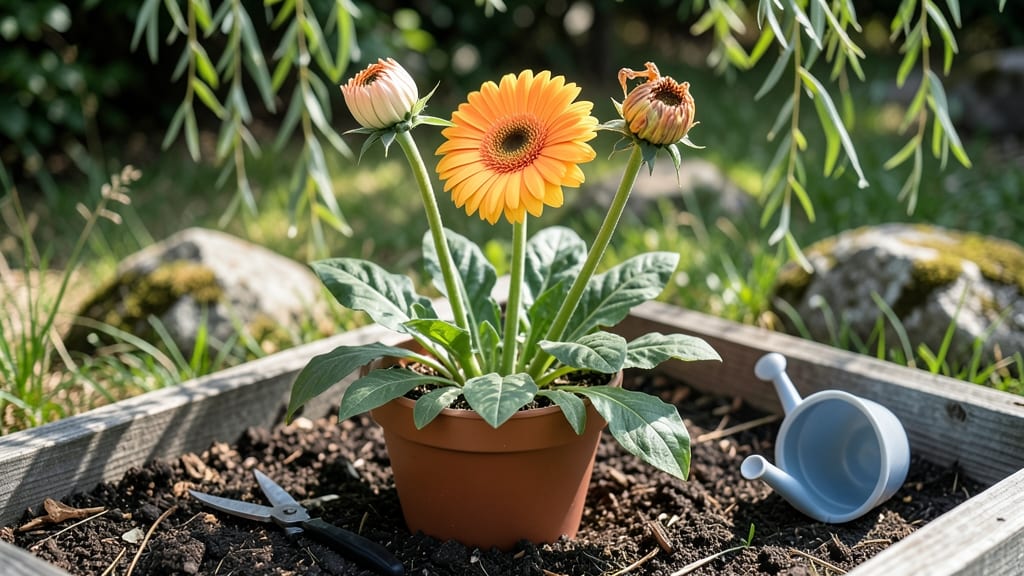
Gerbera daisies bloom during their flowering season 🌼 with colors that turn any garden into a living canvas—but without the right care, those vibrant bursts last only a fraction of what they could.
Picture this: you’ve just planted your first batch of gerbera daisies, and by mid-summer, they’re already fading, leaving you wondering why they didn’t last longer. The secret isn’t just timing—it’s knowing how to extend their season with simple tricks like deadheading, the right light, and a smart fertilizer schedule.
In this guide, you’ll discover the exact months gerbera daisies naturally flower in USDA Zone 6a (and beyond), plus how to push those blooms into fall—or even year-round in warmer climates.
Whether you’re a beginner or a seasoned gardener, these tips will help you keep your garden bursting with color for months.
Ready to transform your gerbera daisies from a short-lived splash of color to a nonstop garden showstopper? Let’s dive into the science—and the easy steps—to make it happen.
Natural gerbera daisy flowering season: months, climate zones & peak blooming times
Gerbera daisies thrive in warm climates and bloom most prolifically when given the right conditions. Their natural flowering season varies dramatically by USDA hardiness zone, with spring and fall peaks in cooler regions and near-continuous blooms in tropical zones. Understanding these patterns helps you plan for vibrant displays year-round.
The ideal temperature range for gerbera daisies is between 60°F and 75°F. Below 50°F, blooms slow dramatically, while temperatures above 85°F can cause buds to drop. Sunlight exposure also plays a critical role—6-8 hours of direct sun daily maximizes bloom production.
In USDA zones 8-11, gerbera daisies often bloom year-round with minimal dormancy. However, even in warm climates, late summer heat waves can stress plants, causing a temporary pause in flowering. Strategic shade cloth or afternoon shade can help maintain consistent blooms.
Here’s how the natural blooming season breaks down by zone, including peak months and sunlight requirements:
| USDA Zone | Peak Blooming Months | Sunlight Needs | Temperature Range | Notes |
|---|---|---|---|---|
| 8 (10-20°F) | April–October | 6-8 hours | 60°F–75°F | Spring and fall peaks; may need winter protection. |
| 9 (20-30°F) | March–November | 6-8 hours | 65°F–80°F | Extended season; minimal dormancy. |
| 10 (30-40°F) | February–December | 6-8 hours | 70°F–85°F | Near-continuous blooms; heat stress possible in summer. |
| 11 (40°F+) | Year-round | 6-8 hours | 75°F–90°F | Tropical climates; requires afternoon shade in extreme heat. |
In USDA zone 8, gerbera daisies typically bloom from April through October, with the most vibrant displays in spring and early fall.
The cooler temperatures of late fall and winter slow growth, but with proper mulching and winter protection, you can encourage a second spring bloom the following year.
Gardeners in zone 9 enjoy a longer season, from March to November. The mild winters allow for year-round growth, though blooms may taper off during the hottest summer months. Providing drip irrigation and afternoon shade can help maintain consistent flowering.
For those in zones 10 and 11, gerbera daisies can bloom year-round with minimal care. However, extreme heat above 90°F can cause buds to drop. Using lightweight shade cloth (30-50%) during peak afternoon sun helps preserve blooms while still providing essential light.
Sunlight is the single most critical factor for gerbera daisy flowering. Plants need at least 6 hours of direct sun daily, but 8 hours yields the most blooms.
In regions with intense summer sun, like zone 11, providing 2-4 hours of afternoon shade prevents heat stress while still supporting robust growth.
To maximize blooms, pair your gerbera daisies with complementary plants like salvias or zinnias, which thrive in similar conditions. These pairings create a pollinator-friendly garden while extending the visual appeal of your flower beds.
If you’re in a cooler zone (7 or below), consider growing gerbera daisies as annuals or in containers that you can move indoors during winter. With a grow light setup, you can even coax blooms year-round, regardless of your climate zone.
🌼
How to trigger nonstop gerbera daisy blooms: pruning, light & fertilizer tricks
Gerbera daisies naturally produce their brightest blooms during spring and summer, but with the right techniques, you can extend their flowering season well into fall—or even year-round in controlled environments. The key lies in understanding their growth triggers: light exposure, pruning strategies, and nutrient timing.
I’ve grown gerberas for years, and these methods have helped me keep my plants bursting with color for months longer than usual.
Most gardeners assume gerberas bloom only once per season, but that’s a misconception. These plants are continuous bloomers when given the right care. The secret? Mimicking their natural growing conditions while avoiding common pitfalls that stop blooms prematurely.
Whether you’re growing them in containers on a patio or in garden beds, these tricks will work for you.
⚠️ 3 Critical Mistakes That Kill Gerbera Blooms
1. Over-pruning – Cutting back too aggressively removes flower buds before they open. Always leave at least 2-3 sets of leaves below the cut.
2. Inconsistent light – Gerberas need 6-8 hours of direct sun. Shady spots or sudden light changes (like moving plants indoors) cause buds to drop immediately.
3. Wrong fertilizer – Too much nitrogen (like lawn fertilizer) makes plants grow leafy stems instead of blooms. Use a balanced 5-10-10 formula instead.
Start with deadheading, the simplest way to encourage new blooms. As soon as a flower fades or wilts, snip the spent bloom just above the next set of leaves. This signals the plant to redirect energy into producing new flower buds instead of seeding.
I deadhead my gerberas every 2-3 days during peak bloom season, and it keeps them flowering nonstop for 3-4 months.
For light manipulation, gerberas thrive in full sun, but if you’re growing them indoors or in partial shade, supplement with grow lights. Place a LED grow light 6-12 inches above the plants for 12-14 hours daily.
I use a full-spectrum bulb in my greenhouse to keep my gerberas blooming through winter months—even in Zone 6 where frost is a risk.
Fertilizer timing is just as crucial. Feed your gerberas with a balanced 5-10-10 fertilizer every 4-6 weeks during the growing season (spring through early fall). In late summer, switch to a low-nitrogen, high-phosphorus formula (like 2-10-10) to boost flower production.
Avoid fertilizing in winter—this is their dormant period, and feeding can stress the plant.
To prune for continuous blooms, cut back leggy stems by one-third after the first flush of flowers. This encourages bushier growth and more flowering branches.
Always use clean, sharp pruners to avoid damaging the plant. I prune mine in early June and again in late August to keep them compact and prolific.
With these techniques—deadheading, light control, and smart fertilizing—your gerbera daisies will reward you with nonstop color from spring through fall. And if you’re in a warmer climate (Zones 8-11), you can even enjoy blooms year-round with minimal effort.
The key is consistency, so stick to your routine, and your gerberas will keep blooming like they’re on a never-ending parade! 🌼