
Planting
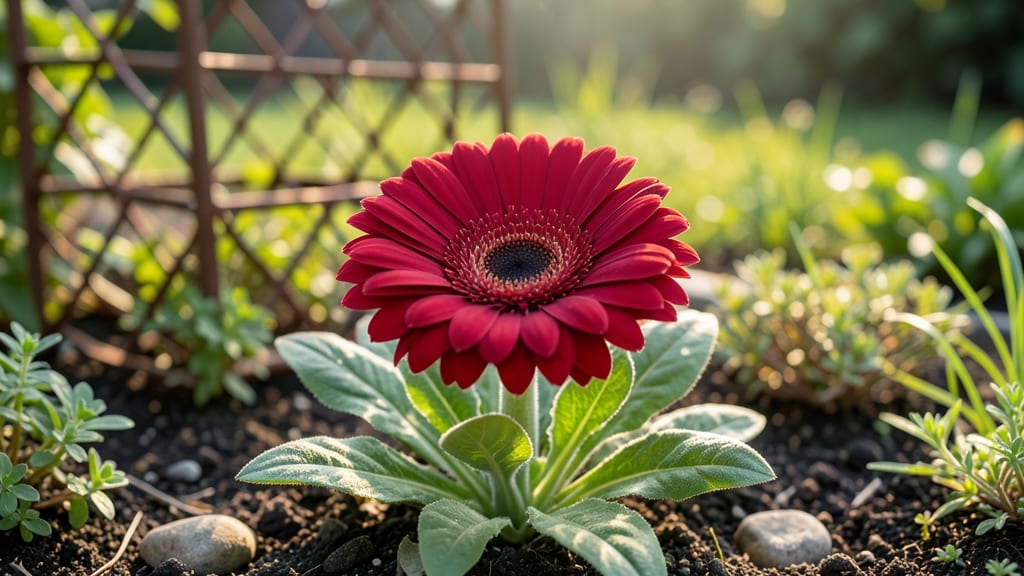
Gerbera daisies in USDA Zones 7-11 need planting after last frost (Zones 7-9) or year-round in warmer climates (Zones 10-11), with consistent warmth being critical for their vibrant blooms.
Gerbera daisies are tropical perennials at heart, which means they can't tolerate freezing temperatures. 🌸 In colder zones like 7-9, their roots may survive winter if mulched heavily, but the plants often die back completely.
The real magic happens when daytime temperatures stay above 60°F consistently—this is when they'll reward you with those bold, colorful blooms. I've found that even in Zone 8, moving potted gerberas indoors during winter keeps them thriving year after year.
What's interesting is how their growth habits shift with zone changes. In Zones 10-11, they'll bloom continuously if given enough sunlight and water, while in cooler zones, they'll focus their energy on foliage until summer heat arrives.
The key is matching your planting timing to your local last frost date—typically between March and May in most northern areas. For marginal zones, I recommend using black plastic mulch to warm the soil faster in spring.
💡 In This Article
- USDA Zone Requirements for Gerbera Daisy Survival
- Seasonal Planting and Care Calendar by Zone
USDA Zone requirements for gerbera daisy survival
Gerbera daisies are tropical plants at their core, which means their survival hinges on maintaining soil temperatures above 55°F—a threshold that defines their suitability for USDA Zones 7-11.
The real vulnerability lies in their roots: when exposed to temperatures below 32°F, the fibrous root system begins to suffer irreversible damage within 24 hours.
This is why even a light frost can spell disaster for gardeners in Zones 6 and below, where winter temperatures frequently dip well below freezing for extended periods. 🌡️
The science behind this sensitivity comes down to cellular damage. Gerbera roots contain high concentrations of water, and when ice crystals form in their tissues, they rupture cell membranes—a process called "freeze-thaw injury."
This is particularly problematic because gerberas are shallow-rooted plants, with most of their root mass concentrated in the top 6 inches of soil. Even with protective mulch, this shallow root zone makes them susceptible to temperature fluctuations near the soil surface.
What's fascinating is how their flowering response correlates with temperature thresholds. Gerberas won't initiate bud formation until daytime temperatures consistently reach 70°F or higher for at least 2-3 weeks.
This explains why Zone 7 gardeners often see their first blooms in late June or July, while Zone 10 plants may flower continuously from spring through fall.
The plant's internal clock measures these temperature cues through a process called "vernalization," where specific proteins activate growth hormones in response to prolonged warmth.
Another critical factor is nighttime temperatures. Gerberas require nighttime lows above 50°F to maintain active growth. When nights dip below this threshold for more than 3-4 consecutive days, the plants enter a state of dormancy, halting both root development and flowering.
This is why even Zone 9 gardeners in coastal areas (where nights stay warmer) can enjoy longer bloom seasons compared to inland locations with similar daytime highs.
For gardeners pushing the limits in Zone 7, the key adaptation is creating microclimates. Raised beds with black plastic mulch can raise soil temperatures by 5-10°F compared to surrounding garden soil, creating a warmer environment for the shallow roots.
Similarly, using containers allows for easy winter relocation to protected areas like garages or sunrooms where temperatures can be regulated. The trade-off is that container-grown gerberas may require more frequent watering, as their root systems have less access to soil moisture reserves.
What most people don't realize is how humidity plays a supporting role in cold tolerance. Gerberas native to South Africa's highveld regions evolved in environments with 50-60% relative humidity, which helps protect their foliage from cold damage.
In drier climates like Zone 8's inland areas, maintaining this humidity level through misting systems or grouping plants together can provide an extra degree of frost protection. 🌿