
Advice
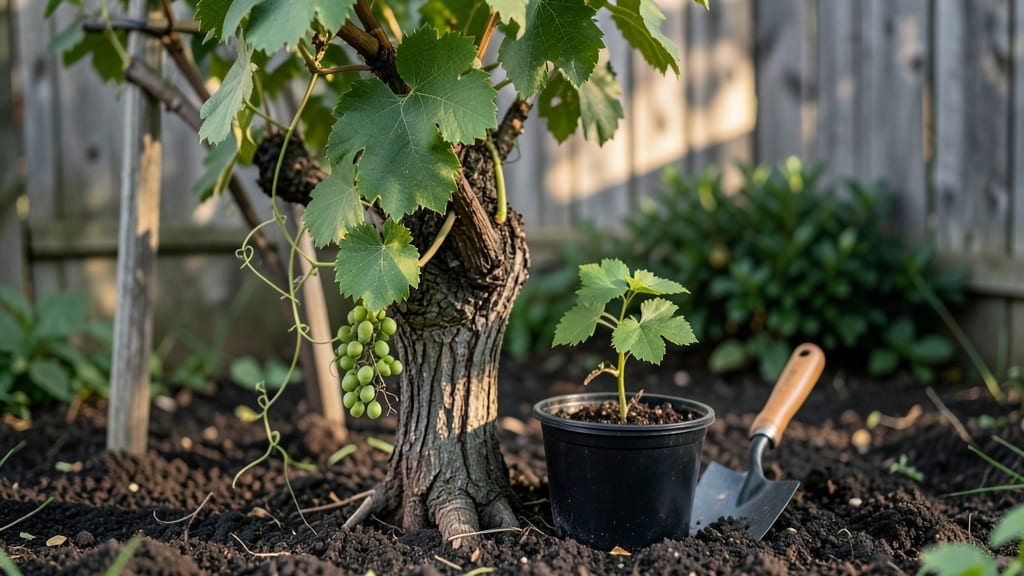
Grape planting zones work best in USDA Hardiness Zones 5 through 9, with cooler varieties like Concord thriving in Zones 5-7 and heat-tolerant types such as Cabernet Sauvignon excelling in Zones 8-9. Microclimates can shift these ranges by 1-3 zones with strategic adjustments.
Understanding grape planting zones goes beyond just checking a map—it's about matching your local climate to the right grape variety. 🌱 Cool-climate grapes need 200-400 chill hours (below 45°F) to break dormancy, while warm-climate varieties often require less than 100 chill hours but need intense summer heat to ripen.
For example, Zinfandel struggles in Zone 6 but thrives in Zone 9 because it demands both warmth and long growing seasons. Even within a zone, elevation changes can create microclimates where grapes might succeed where they wouldn't on flat terrain.
What makes this especially practical is how microclimates can turn marginal zones into viable growing areas. A south-facing slope in Zone 6 might get enough heat to grow Pinot Noir, while a sheltered valley could protect tender varieties from late frosts.
I've seen gardeners in Zone 7 extend their growing season by 3-4 weeks using black plastic mulch and drip irrigation—simple adjustments that make all the difference for grapes at the edge of their comfort zone.
💡 In This Article
- How USDA Zones Influence Grape Variety Selection
- Microclimate Hacks to Extend Grape Growing Regions
How USDA zones influence grape variety selection
The science behind grape cold hardiness starts with dormancy requirements. Most grapevines enter dormancy when temperatures drop below 45°F for extended periods, but their ability to survive winter depends on how cold they can tolerate.
Cold-hardy varieties like Concord and Niagara can withstand temperatures down to -20°F to -25°F, making them ideal for Zones 5-7 where winter dieback is a real risk.
The key mechanism here is the grapevine's ability to harden off—converting sugars into protective compounds that prevent cellular damage from ice crystal formation.
Heat tolerance works differently and is measured by a grape's ability to ripen in hot climates. Varieties like Cabernet Sauvignon and Grenache thrive in Zones 8-9 because they need 140-160 days of growing season with minimal rain during ripening.
These grapes have thicker skins that resist sunburn and can handle summer temperatures above 95°F without losing flavor quality. What's fascinating is how chilling hours—the number of hours below 45°F during winter—affect ripening.
Cool-climate grapes need 200-400 chill hours to break dormancy, while warm-climate varieties often require less than 100 chill hours but need intense summer heat to develop full sugar content.
This zone-variety matchup explains why you'll rarely see Zinfandel thriving in Zone 6 but find it flourishing in Zone 9. The difference isn't just temperature—it's about the entire growing season.
For example, Pinot Noir needs 120-140 days of warmth but benefits from cool nights that preserve acidity, making it perfect for Zones 6-8 where summer highs rarely exceed 85°F.
The science shows that grapes grown at the edges of their ideal zones often produce lower-quality fruit—either underripe or with poor color development—because their physiological needs aren't fully met.
What most gardeners don't realize is how elevation creates natural zone adjustments. A vineyard at 2,000 feet elevation in Zone 7 might experience temperatures 5-10°F cooler than at sea level, potentially making it suitable for cool-climate varieties.
This is why some Zone 8 areas can grow Pinot Noir successfully while lower elevations struggle. The same principle applies to urban heat islands—cities in Zone 6 might see temperatures warm enough to grow heat-loving varieties in microclimates where rural areas fail.
Consider these key factors when selecting varieties:
- Cold hardiness: Northern varieties like Marquette (Zone 4) survive -30°F but need 300+ chill hours
- Heat tolerance: Southern varieties like Tempranillo handle 100°F+ days but need less than 150 chill hours
- Disease resistance: Cool zones favor mildew-resistant varieties while warm zones need heat-tolerant rootstocks
The most successful grape growers I've worked with treat zone selection like a puzzle—matching not just the zone but the specific microclimate within it. A single vineyard might have areas suitable for three different varieties based on elevation changes of just 200 feet.
The key is understanding how these factors interact: cold tolerance, heat requirements, and seasonal patterns all determine whether your grapes will thrive or struggle.