
Container Gardens
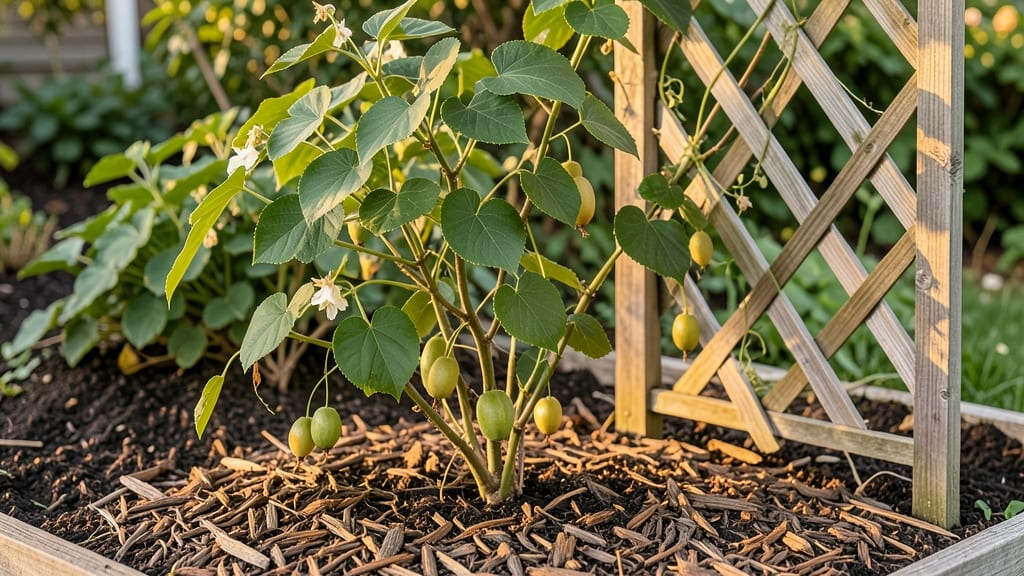
Growing zone 4 thrives with cold-resistant plants such as coneflowers, hostas, and Russian sage, offering a frost-free period of 120–150 days. Begin planting cool-season crops in early spring and warm-season varieties after the last frost date—usually mid-May—while using row covers or cold frames to prolong harvests into autumn.
Zone 4's shorter growing season demands strategic planning, but it also rewards gardeners with hardy perennials that return year after year. 🌱 The key is matching plants to the 120–150 frost-free days by selecting varieties with deep root systems or late-blooming cycles—like black-eyed Susans—that tolerate cooler temperatures.
I've found that extending the season with simple tools like row covers can add 2–4 extra weeks of growing time, making a big difference for vegetables like kale or spinach.
For container gardens, focus on compact cold-hardy options like dwarf coneflowers or ornamental grasses, which thrive in pots and adapt well to temperature shifts. The mid-May planting window is critical—waiting too long risks stunted growth before the first fall frost.
Local frost date calculators (available through Cooperative Extension offices) help pinpoint the best times for your specific region within zone 4.
💡 In This Article
- Understanding Zone 4 Climate and Plant Hardiness
- Zone 4 Planting Calendar: When to Sow and Harvest
Understanding zone 4 climate and plant hardiness
Zone 4's defining characteristic is its -30°F to -20°F winter lows, which shape which plants survive—and thrive. The USDA classification accounts for average annual minimum temperatures, but the real challenge for gardeners is the 120–150 frost-free days that determine growing windows.
This shorter season forces plants to grow quickly or adapt with strategies like deep root systems that store energy during winter dormancy. For example, hostas can survive -25°F because their rhizomes act as insulated storage, while coneflowers' woody stems protect their crowns from freeze damage.
What sets zone 4 apart is its two distinct frost cycles: early spring and late fall. Unlike warmer zones, gardeners here must plan for last frost dates that vary by 1–2 weeks between regions—like May 10–15 in the Northeast versus May 20–25 in the Great Lakes.
This variability explains why some gardeners in zone 4a (colder) might plant warm crops like tomatoes 2 weeks later than those in zone 4b (warmer). The key is using local frost clocks or Cooperative Extension resources to pinpoint your exact window.
Perennials dominate zone 4 gardens because they've evolved to handle these extremes. Take Russian sage—its silvery foliage contains high levels of waxes that reduce water loss during cold snaps, while its late-blooming cycle (July–September) ensures flowers appear after the last frost.
Compare this to zone 5 plants like peonies, which struggle in zone 4 because their shallow roots freeze more easily. The trade-off? Zone 4 perennials often bloom 2–3 weeks later than their southern counterparts but reward gardeners with 5–10 years of low-maintenance growth.
For container gardening, the challenge shifts to soil temperature. Pots heat up 5–10°F faster than in-ground beds, making them risky for cold-sensitive plants like basil. Instead, opt for cold-hardy containers with insulated fabric pots or gravel-filled bottoms to regulate temperature.
Even then, most container plants need row covers during 32°F nights to prevent frost damage. The science here is simple: air pockets in row covers act as insulation, raising temperatures by 5–15°F depending on material thickness.
One common misconception is that zone 4 means "no warm-season crops." In reality, fast-maturing varieties (like 45-day tomatoes) can thrive if planted after May 15 and harvested before September 15. The secret? Succession planting—replacing early harvests with new seeds every 2–3 weeks to stretch the season.
For example, bush beans planted in late May and again in early July can yield two harvests before frost.
Zone 4's climate also favors cold-hardy vegetables like kale, which actually sweetens when exposed to 20–30°F nights thanks to starch-to-sugar conversion. This process, called vernalization, is why gardeners often leave hardy greens in the ground through winter.
The trade-off? These crops grow 30–50% slower in cool weather, so starting seeds indoors 4–6 weeks before last frost