
Container Gardens
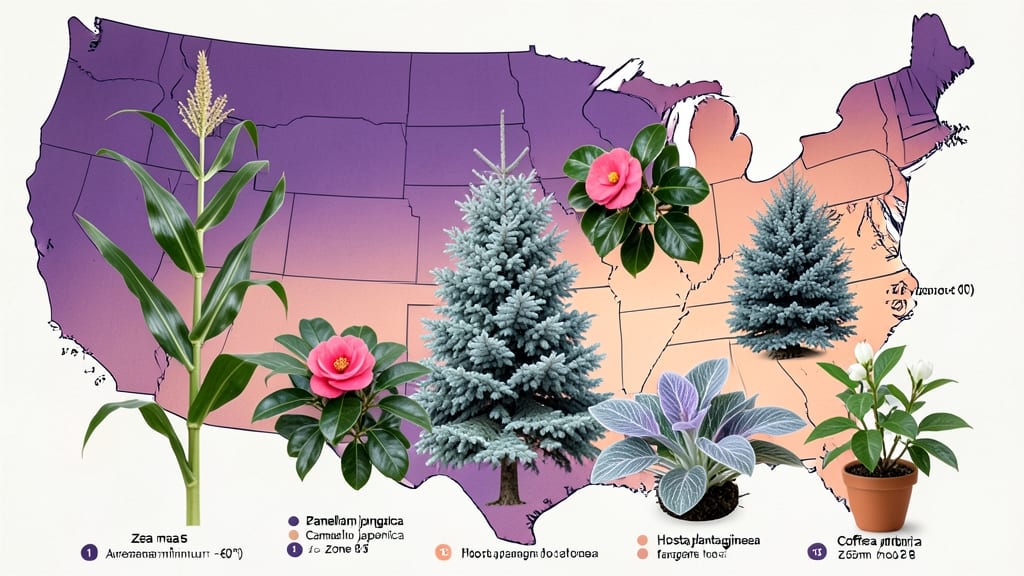
The US growing zone chart helps you identify your exact USDA plant hardiness zone by ZIP code, revealing which plants will thrive in your region's specific temperature range. This system divides the country into 13 zones based on average annual minimum temperatures, guiding everything from planting schedules to winter protection needs.
The US growing zone chart isn't just about numbers—it's your garden's climate roadmap. 🌱 Each zone represents a 10°F temperature range, meaning Zone 5 (average -15°F to -10°F) has completely different plant options than Zone 9 (20°F to 25°F).
For example, while Zone 10 gardeners can grow citrus trees year-round, Zone 3 growers need cold-hardy varieties like winter wheatgrass. The chart also accounts for microclimates—your backyard might be Zone 7a while the official county line shows 7b, thanks to factors like elevation or urban heat islands.
What makes this system so powerful is how it connects directly to your planting calendar. Frost dates become your planting deadlines—knowing your last spring frost (typically March-April in Zones 6-7) tells you when to plant warm-season crops like tomatoes, while first fall frosts (October-November in Zones 5-6) signal when to harvest or protect tender plants.
Many gardeners use the zone chart to select perennials that will return year after year without winter damage, saving both time and money.
Pro tip: Use the USDA Interactive Map to pinpoint your exact zone (it's often more precise than your state's general zone).
For container gardens, you can sometimes push zone limits by overwintering plants in pots and moving them to sheltered spots during cold snaps—a technique that works particularly well in transitional zones like 7b/8a where winters are unpredictable.
💡 In This Article
- How USDA Plant Hardiness Zones Determine Your Garden’s Success
- State-by-State USDA Zone Breakdown and Planting Timelines
How USDA plant hardiness zones determine your garden’s success
The USDA plant hardiness zone system is built on 30-year averages of the coldest winter temperatures in a given area, measured in 10°F increments. Each zone (like 5b or 8a) represents a specific temperature range that helps predict which plants will survive winter.
For example, Zone 3 (-40°F to -30°F) supports hardy trees like birch and spruce, while Zone 10 (30°F to 40°F) allows for citrus and bougainvillea year-round.
The science here is about plant resilience—most plants can tolerate brief cold snaps but die if exposed to temperatures below their zone's minimum for extended periods. 🌡️
Frost-free days play an equally critical role. These are the number of days between the last spring frost and the first fall frost, which directly impacts growing seasons. In Zone 4 (-30°F to -20°F), frost-free periods average 120-150 days, while Zone 10 enjoys 300+ days.
This explains why you can grow tomatoes in Florida year-round but only in containers in New York. Microclimates—small areas with unique conditions—can shift your effective zone by half a letter.
A south-facing wall might create a Zone 7 microclimate in an otherwise Zone 6 backyard, allowing you to grow slightly tender plants like rosemary that wouldn't survive elsewhere in your region.
Zone transitions matter when moving plants or relocating.
A perennial that thrives in Zone 5 (-20°F to -15°F) may struggle in Zone 6 (-10°F to -5°F>) if it's not acclimated, while a Zone 7 plant could die in Zone 8 (10°F to 15°F) without proper summer heat protection.
Gardeners in transitional zones (like 7b/8a) often face the most challenges because they're on the edge of what many plants can handle. For instance, peonies—hardy in Zone 3—might need winter mulch in Zone 7 to survive unexpected cold snaps.
Understanding your zone also affects planting schedules. Warm-season crops like peppers and eggplants need soil temperatures above 60°F to germinate, which typically aligns with Zone 5's last frost around May 15 but Zone 10's year-round planting flexibility.
Cool-season crops like spinach and kale, however, can handle light frosts and often get planted in early spring or late summer. The zone system helps you time these plantings precisely, avoiding the heartbreak of early frosts ruining tender seedlings.
For container gardeners, zones offer flexibility. Potted plants can be moved to sheltered spots during cold snaps or brought indoors entirely, effectively extending their growing range.
A Zone 6 gardener might overwinter lemon trees in pots by moving them to a garage or sunroom during winter, then returning them to the patio when temperatures rise. This technique works particularly well in transitional zones where winters are mild but unpredictable.
What most people don't realize is how zones interact with elevation. Higher altitudes can create cooler microclimates, shifting your effective zone downward. A garden at 5,000 feet in Colorado might function like Zone 5 even if the surrounding area is Zone 6.
Conversely, urban heat islands can push zones upward by 1-2°F, making city gardens slightly warmer than rural ones. Always check your exact ZIP code for the most accurate zone data—it could mean the difference between a thriving garden and a failed one. 🌿