
Container Gardens
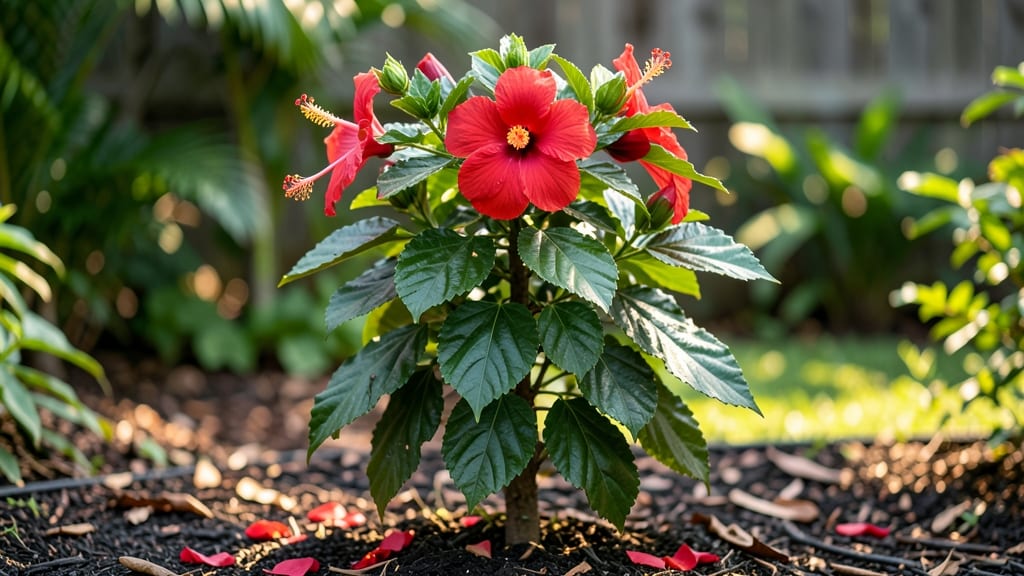
Understanding Hawaii’s growing zones means working with USDA Hardiness Zones 10 through 13, where elevation and ocean exposure create dramatic shifts—Oahu’s coasts often fit Zone 11, while Maui’s uplands may align with Zone 10. The tropical climate’s year-round warmth and humidity supports lush growth, but trade winds and volcanic terrain demand localized adjustments.
Hawaii’s diverse geography turns standard growing zones on their head. The trade winds cool coastal areas while volcanic slopes create microclimates where temperatures drop 3–5°F per 1,000 feet. 🌋 For example, Kona’s dry leeward side thrives with cacti and citrus, while Hilo’s windward rainforests nurture taro and orchids.
Even within the same island, a garden at 2,000 feet elevation might need frost-tolerant varieties like mountain apples that coastal gardens can skip entirely.
This variability means gardeners must think beyond the USDA map. Plant selection should account for sun exposure, rainfall patterns, and soil types—windward slopes get more rain but poorer drainage, while leeward areas bake under direct sun.
Trade winds also act as natural pest control, reducing the need for chemical interventions in many cases.
💡 In This Article
- How Hawaii’s Microclimates Defy Standard USDA Zones
- Planting Strategies for Hawaii’s Unique Growing Conditions
How Hawaii’s microclimates defy standard USDA zones
Hawaii’s volcanic terrain and ocean currents create microclimates so distinct that elevation alone can shift growing conditions by 3–5°F per 1,000 feet. The trade winds cool coastal areas while volcanic slopes trap heat, making a 500-foot climb feel like moving from Zone 11 to Zone 10.
For example, Kona’s leeward side receives only 15 inches of rain annually and bakes under direct sun, while Hilo’s windward slopes get 126 inches of rain yearly, creating a rainforest ecosystem just 30 miles away. 🌋 This dramatic shift explains why a single island can support both drought-resistant ʻōhiʻa lehua trees and moisture-loving ʻōlapa berries in adjacent valleys.
The ocean plays a critical role too. Coastal areas benefit from the sea breeze effect, where moist air cools the land, lowering daytime temperatures by 5–10°F compared to inland zones. Meanwhile, the Kona Storm Track brings summer showers that sustain leeward gardens, while windward regions rely on year-round rainfall.
These variations mean a USDA Zone 11 plant like plumeria might thrive in Waikīkī but struggle in Zone 10 uplands where nights dip below 60°F. The trade winds also create a natural air circulation system, reducing humidity in some areas while increasing it in others.
What this means for gardeners is that elevation is your best friend when mapping out plant placement. A garden at sea level in Honolulu may handle tropical fruit trees like papaya, while the same variety at 3,000 feet on Maui might need extra protection from cooler nights.
Soil composition adds another layer—volcanic soils on younger islands like Hawaiʻi Island drain quickly, while older islands like Kauaʻi have deeper, more fertile topsoil. The key is observing your specific microclimate for at least 6 months to identify patterns before selecting plants.
One surprising factor is how hurricane season (June–November) disrupts traditional growing cycles. While most of Hawaii avoids direct hits, the heavy rains and winds can damage tender plants, making windbreaks and sturdy supports essential for coastal gardens.
Trade winds also act as a natural pruning force, shaping trees like monkeypod into unique, wind-sculpted forms. This means some plants, like ʻiliahi (sandalwood), grow stronger with exposure, while others, like ʻawa (kava), prefer sheltered spots.
To visualize these differences, imagine standing on Mauna Kea’s slopes: at 9,000 feet, temperatures can drop to 40°F at night, while just 2,000 feet below, coastal gardens bask in 75°F warmth.
This vertical shift is why tropical fruit trees thrive near sea level but cool-climate crops like strawberries can grow at higher elevations. The trade winds further complicate things by creating dry zones on leeward sides where aloe vera flourishes, while windward slopes support banana groves that rely on consistent moisture.
For practical application, start by measuring your garden’s elevation, rainfall, and wind exposure—these three factors override USDA zones in Hawaii. Use local nurseries as your guide; they’ll recommend native plants like ʻōhe (ironwood) for dry areas or maile for humid spots.
Even within a single neighborhood, a 100-foot elevation change can mean the difference between Zone 11 and Zone 10 conditions. 🌺