
Planting
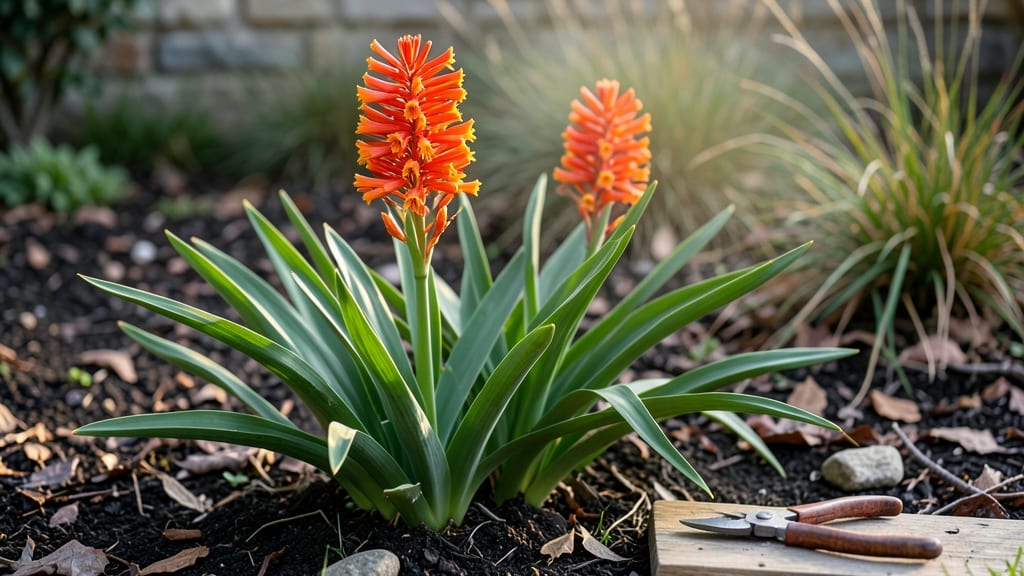
Crocosmia grows best in USDA hardiness zones 5 through 9, where it thrives in temperate climates with well-drained soil and full sun exposure. For strongest root development, plant in early spring or fall to avoid extreme winter cold or summer heat.
These zones were chosen because crocosmia plants handle cool evenings and warm days beautifully—think of them as the Goldilocks of perennials. 🌿 In colder zone 5 areas, they’ll go dormant in winter but bounce back spectacularly in spring, while zone 9’s heat tolerance keeps them flowering reliably.
The key is avoiding waterlogged soil, which can rot their rhizomes, and ensuring they get at least 6 hours of direct sunlight daily to fuel those vibrant blooms.
Timing your planting matters just as much as location. In zones 5-6, I always plant in early spring (March-April) to give roots time to establish before winter, while in zones 7-9, fall planting (September-October) works better to avoid summer’s intense heat.
Pro tip: In coastal areas, you can sometimes push zone limits slightly—ocean breezes moderate temperatures, creating microclimates where crocosmia might survive in zone 4 with winter protection.
💡 In This Article
- Crocosmia USDA Zone Compatibility and Climate Needs
- Best Planting Months for Crocosmia by Region
Crocosmia USDA zone compatibility and climate needs
Crocosmia's success in zones 5-9 comes down to its ability to handle temperature fluctuations that most perennials can't. These plants evolved in South African grasslands where they experience cool nights (40-50°F) and warm days (75-85°F)—a rhythm that mirrors what zones 5-9 offer.
The key adaptation is their rhizomatous root system, which stores energy underground to survive winter dormancy in colder zones while still flowering prolifically in warmer zones.
In zone 5, for example, crocosmia can tolerate short-term temperatures down to 15°F when fully dormant, but prolonged exposure to below 10°F risks rhizome damage.
The plant's heat tolerance is equally impressive. Unlike many perennials that bolt or struggle in zone 9's summer heat, crocosmia thrives when daytime temperatures reach 90°F+ as long as nights stay cool.
This is why you'll see them flowering reliably in Southern California gardens where summers are hot but evenings remain mild. 🌿 The secret lies in their C4 photosynthetic pathway, which is more efficient than the typical C3 pathway in conserving water during heatwaves—a trait they share with many desert-adapted plants.
Seasonal transitions are where crocosmia's adaptability truly shines. In zones 5-6, the plant enters dormancy when soil temperatures drop below 45°F, with growth resuming when daytime highs consistently exceed 55°F.
This means spring planting should wait until after the last frost date, typically 2-4 weeks after April 15th in most northern regions. In contrast, zone 9's mild winters allow crocosmia to remain active year-round, though growth slows during the coolest months (December-February).
The plant's ability to adjust its growth cycle based on temperature cues is what makes it such a resilient garden performer.
One often-overlooked factor is humidity tolerance. Crocosmia handles both dry conditions and moderate humidity well, but struggles in high humidity (>70%) combined with poor air circulation, which promotes fungal diseases like rust.
This is why coastal zone 9 gardens (like those in San Diego) often grow crocosmia more successfully than humid zone 9 areas (like parts of Florida) without proper airflow. The plant's native grassland habitat prepared it for dry conditions, but not for prolonged wetness.
For gardeners pushing the zone limits, consider these microclimate strategies: In zone 4, plant crocosmia in south-facing beds against a sunny wall where winter sun provides 5-10°F of extra protection. In zone 10, provide afternoon shade during peak summer to prevent heat stress.
Mulching with 2-3 inches of organic matter helps regulate soil temperature year-round, keeping rhizomes at optimal 60-70°F for growth and 40-50°F for dormancy.
What most gardeners don't realize is how crocosmia's bloom timing reflects its zone adaptation. In cooler zones (5-6), flowers appear late summer to early fall when days are still warm but nights cool down. In warmer zones (7-9), blooming extends into mid-fall, sometimes lasting until first frost.
This extended flowering in warmer zones is a direct result of the plant's ability to take advantage of longer growing seasons without heat stress.