
Container Gardens
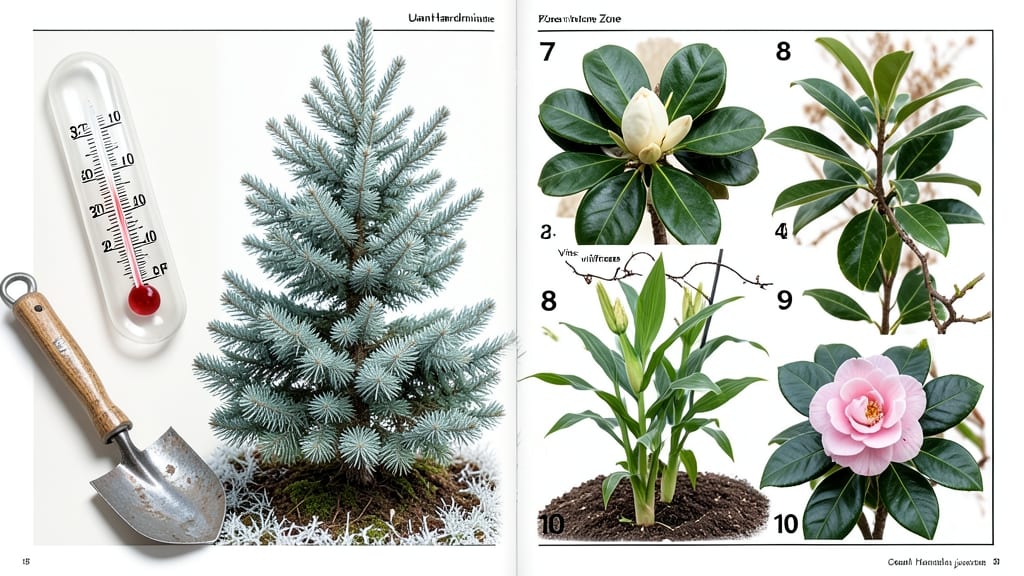
Growing zones in North America classify regions by average minimum winter temperatures, determining which plants thrive in your area. The USDA Plant Hardiness Zone Map divides the continent into 13 zones, numbered from 1 (coldest) to 13 (warmest), with half-zones (e.g., 5a, 5b) for finer precision. Finding your zone ensures you select cold-hardy plants suited to your climate’s extremes.
These climate-based zones help gardeners match plants to their local conditions, preventing costly mistakes like frost damage or stunted growth. 🌱 For example, Zone 1 (Alaska) can't support citrus trees, while Zone 10 (southern Florida) thrives with year-round tropicals.
The USDA updates these zones every 10 years to reflect changing temperature patterns, so checking the latest map is always wise.
Beyond the official zones, microclimates—like sunny south-facing walls or sheltered garden spots—can create 1-3°F warmer conditions than the general zone. This means you might successfully grow plants rated for the next zone up, especially in protected areas.
I always recommend testing a plant's hardiness by observing how it handles your area's first frost.
💡 In This Article
- How USDA Plant Hardiness Zones Determine Plant Survival
- Tools to Locate Your North American Growing Zone Fast
How USDA plant hardiness zones determine plant survival
The USDA Plant Hardiness Zone Map uses average annual minimum temperatures to define survival thresholds for plants. Each zone represents a 10°F difference—for example, Zone 5a (-20°F to -15°F) is colder than Zone 5b (-15°F to -10°F).
These thresholds reflect the coldest temperatures plants can endure without permanent damage, as extreme cold disrupts cellular processes, causing ice crystals to form in plant tissues and rupture cell walls. 🌡️ This is why a Zone 3 plant like the Siberian larch can survive -40°F winters, while a Zone 9 citrus tree would perish in those conditions.
Frost dates play a critical role in zone determination. The USDA calculates zones based on 30-year climate averages, but local frost patterns can vary. For instance, a high-elevation area in Colorado might experience 5°F colder minimum temperatures than the surrounding plains, even if they share the same zone designation.
Microclimates—like urban heat islands or sheltered valleys—can also shift effective growing conditions by 3-5°F. This explains why a Zone 6 garden in a city might successfully grow a Zone 7 plant near a brick wall, while the same plant fails in a wind-exposed area.
Plant hardiness varies dramatically by species due to evolutionary adaptations. Tropical plants like mangoes (Zone 10-11) lack cold resistance because they’ve never encountered freezing temperatures, while temperate species like roses (Zones 3-9) have developed antifreeze proteins that protect their cells.
The USDA zones also account for heat tolerance—Zone 12 (Hawaii) includes areas where 100°F+ temperatures are normal, requiring drought-resistant plants like bougainvillea. Climate change has already shifted zones northward by 1-3 zones in some regions, making older maps less reliable.
Urban environments create unique challenges. Asphalt and concrete absorb heat during the day and release it at night, raising temperatures by 5-10°F compared to rural areas. This "heat island effect" can push a city’s effective zone 1-2 levels higher than its official designation.
For example, downtown Phoenix (Zone 9b) may feel more like Zone 10a in summer. Conversely, coastal areas often experience milder winters due to ocean currents, creating localized exceptions—like San Francisco’s Zone 9b despite its northern latitude.
To apply this science practically, start by checking the USDA Interactive Map for your ZIP code, then observe your garden’s microclimates. Notice which areas retain heat longer or shelter plants from wind.
For example, a south-facing slope might support Zone 8 plants in a Zone 7 area, while a low-lying spot could struggle with Zone 6 varieties. I always recommend testing borderline plants in containers first—they’re easier to move if frost threatens. 🌿
Remember: zones are guidelines, not absolutes. The key is understanding how temperature interacts with your specific environment. A Zone 5 garden can grow Zone 6 plants if protected, while a Zone 7 area might need winter wraps for Zone 6 varieties.
The USDA’s latest 2023 map reflects these evolving conditions—always verify before planting!