
Planting
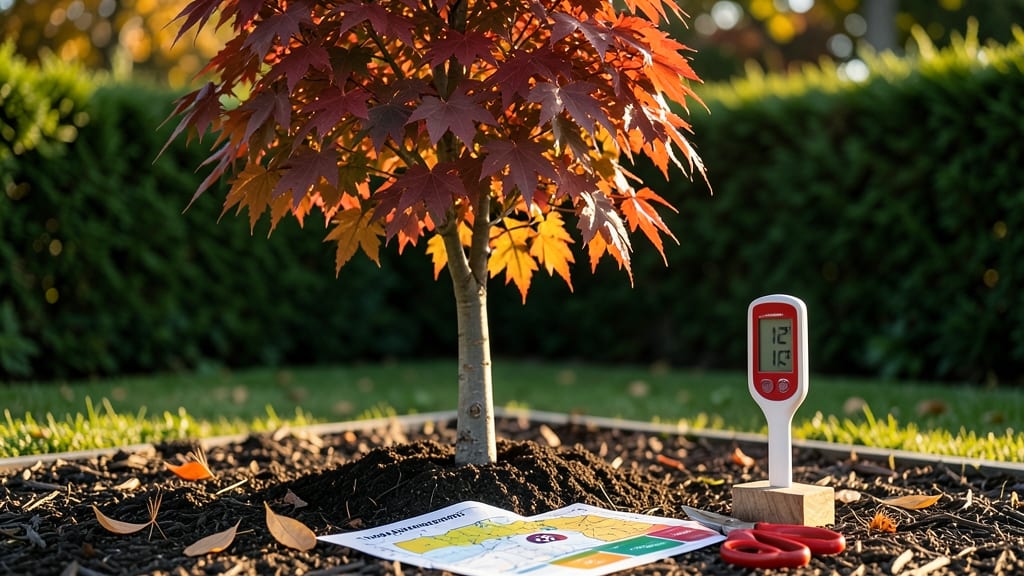
These zones, developed by the USDA, divide North America into 13 distinct regions using 10°F increments—from Zone 1 (-60°F) in Alaska to Zone 13 (60°F) in Florida. 🌱 The system accounts for both extreme cold snaps and long-term temperature patterns, which is why a plant labeled "Zone 5" might survive in your area but struggle in a slightly warmer microclimate.
For example, a zone 6 perennial like peonies could fail in a zone 7 area if winter temperatures dip unexpectedly low due to elevation or wind exposure.
Understanding your zone isn't just about survival—it's about optimal growth. Plants in the right zone typically require less supplemental care, like mulching or winter wraps, because they're already adapted to your climate's natural stresses.
For instance, zone 8 citrus trees can thrive outdoors in Southern California but need greenhouse protection in zone 5 regions. The USDA's interactive map makes it easy to find your zone by entering your zip code, though local nurseries often provide refined recommendations based on real-world performance data.
💡 In This Article
- How USDA Plant Hardiness Zones Determine Plant Survival
- Choosing Plants Based on Your Hardiness Zone Guide
How USDA plant hardiness zones determine plant survival
The USDA Plant Hardiness Zone Map divides North America into 13 zones based on average annual minimum winter temperatures, measured over a 30-year period.
These zones use 10°F increments, starting from Zone 1 (-60°F) in Alaska's tundra to Zone 13 (60°F) in Florida's subtropical climate.
The key mechanism is that plants have evolved cold tolerance thresholds—when temperatures drop below their survival minimum, cellular damage occurs from ice crystal formation in plant tissues.
For example, a zone 5 plant like a peony can survive -20°F winters, while a zone 9 olive tree (20°F minimum) would die in a -10°F freeze. 🌡️
Zone mapping accounts for both extreme cold events and long-term climate patterns. The USDA calculates zones using 30-year averages (currently 1991-2020) because shorter periods can be skewed by unusual weather.
However, climate change is causing zones to shift northward—some areas now experience 5°F warmer winters than recorded in the 1990s. This shift means plants previously recommended for zone 6 may now thrive in zone 5 regions.
The map also considers elevation: a mountain town at 5,000 feet might be zone 4 despite being geographically in zone 6 at sea level.
Beyond temperature, chilling hours matter for some plants. Many fruit trees (like apples) require 200-1,000 hours below 45°F annually to set fruit properly. A zone 7 area might have enough chilling hours for apples, but a nearby zone 7b microclimate (warmer by 5°F) could fail to produce fruit.
Similarly, frost dates—when temperatures drop below 32°F—determine when to plant frost-sensitive crops like tomatoes. The USDA zones don't account for these nuances, which is why local gardening groups often refine recommendations based on real-world frost records. 📊
Microclimates further complicate zone classifications. A south-facing wall can create a zone 8 microclimate in a zone 7 area, while a low-lying valley might experience 5°F colder nights. Urban areas with pavement and buildings (the "heat island effect") can push zones up by 1-3 degrees.
For instance, downtown Chicago (zone 5b) might support zone 6 plants in city gardens but not in surrounding suburbs. Gardeners must observe their specific conditions—like wind exposure or soil drainage—to adjust plant selections accordingly.
Zone transitions (like zone 6b/7a) create gray areas where plants may survive but struggle. A zone 7 camellia might lose leaves in a zone 6 winter but recover, while a zone 6 hydrangea could thrive in zone 7 with proper winter mulching.
The USDA's half-zones (e.g., 6a vs. 6b) help refine choices, but real-world testing remains the best guide. For example, a zone 6a gardener might successfully grow zone 5 perennials but lose zone 7 shrubs to occasional -15°F dips. 🌿
Understanding these factors helps gardeners make informed choices. For instance, a zone 5 gardener planting a zone 6 rose risks winter dieback unless they use protective measures like mulch or burlap wraps. Conversely, a zone 8 gardener can experiment with zone 9 plants like bougainvillea, knowing they'll need winter shelter.
The USDA map is a starting point, but local observations and nursery expertise often provide the final answer for successful planting.