
Planting
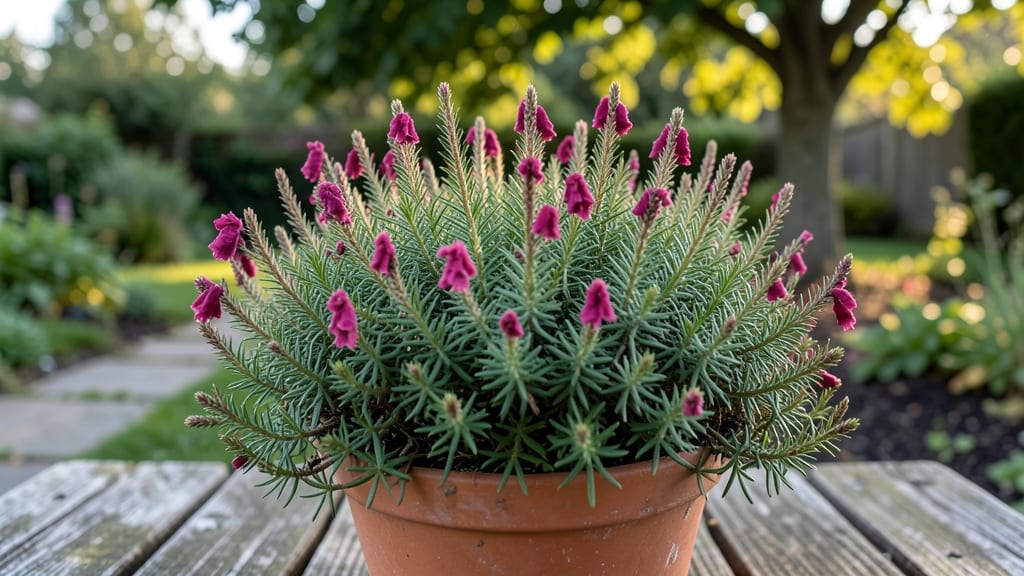
Heather plants thrive best in USDA zones 4 through 8, where cold-hardy varieties like Calluna and Erica can withstand winters down to -30°F (-34°C). For colder regions, opt for evergreen types, while milder climates suit semi-evergreen varieties, always paired with well-draining, acidic soil and partial shade.
Heather thrives in cooler climates because its natural habitat mimics rocky, acidic soils found in northern Europe and mountainous regions. 🌿 The key to success lies in matching your local zone with the right variety—Calluna varieties handle frost beautifully, while Erica species prefer slightly warmer winters.
My go-to tip? Test your soil pH first—heathers demand acidic conditions (5.0-6.0) or they’ll struggle to flourish. For zones 3-5, consider alpine heathers that tolerate even harsher winters.
What many gardeners overlook is how microclimates can extend a heather’s range. Planting near south-facing walls or in sheltered spots can protect tender varieties from unexpected freezes.
I’ve seen Erica carnea thrive in zone 4 gardens when tucked against a brick wall—proof that with the right placement, you can push boundaries. Just remember: never plant heathers in heavy clay soil without amending it first.
💡 In This Article
- Cold-Hardy Heather Plant Zones Explained
- Best Heather Varieties for Your Climate Zone
Cold-hardy heather plant zones explained
Heather plants owe their cold hardiness to evolutionary adaptations from their native habitats in the British Isles and Scandinavia, where they endure sub-zero temperatures and acidic, nutrient-poor soils.
The Calluna vulgaris variety, for example, can withstand -25°F (-32°C) in zones 4-6, thanks to its thick, waxy leaves that reduce water loss during winter dormancy.
This evergreen heather forms dense mats that insulate roots from freezing temperatures, while its shallow root system allows it to absorb moisture from thin soil layers—a survival trait in rocky, exposed environments.
The Erica genus, however, shows more regional specialization. Species like Erica carnea (spring heather) thrive in zones 4-8 but prefer milder winters, typically handling -10°F (-23°C) at best. What sets these apart is their semi-evergreen nature—they shed older foliage annually, which reduces winter stress compared to fully evergreen types.
For gardeners in zones 7-8, Erica gracilis (dwarf heather) offers a striking 3-inch-tall option that blooms in late summer, making it ideal for rock gardens where space is limited.
Soil pH plays a critical role in cold hardiness because heathers rely on mycorrhizal fungi in acidic soils to absorb nutrients. A pH below 5.5 triggers these beneficial relationships, while alkaline soils (above 7.0) can stunt growth or cause winter dieback.
In colder zones (3-5), I recommend amending garden soil with sulfur or peat moss to maintain the ideal 5.0-6.0 pH range. Mulching with pine needles or bark chips (2-3 inches deep) adds another layer of protection by insulating roots and slowly releasing acidity as they decompose.
Microclimates can push heathers into zones they wouldn’t normally tolerate. For instance, planting Erica cinerea (bell heather) against a south-facing brick wall in zone 4 can raise soil temperatures by 5-10°F during winter, extending its hardiness by 2-3 zones.
Similarly, container gardening with insulated pots (like those wrapped in burlap) allows you to overwinter tender varieties in colder regions.
The key is positioning: avoid low-lying areas where cold air pools, and choose spots with 3-4 hours of morning sun to prevent afternoon moisture buildup that could freeze and damage foliage.
Winter protection techniques vary by region. In zones 4-5, I’ve had success with burlap wraps around containerized heathers, combined with a dry mulch layer of straw. For in-ground plants, a 6-inch layer of evergreen boughs (like pine or spruce) acts as a windbreak and insulates roots.
What surprises many gardeners is that heathers actually benefit from occasional winter watering in zones 6-8—when soil is frozen, roots can’t absorb moisture, so a light sprinkle every 2-3 weeks prevents dehydration stress during thaw cycles.
One common mistake is assuming all heathers are equal in cold tolerance. For example, Alpine heathers (like Erica herbacea) can survive -30°F (-34°C) in zones 3-5, but their 1-inch height makes them perfect for crevice gardening in rocky landscapes.
Meanwhile, Spring heathers (zones 5-9) prioritize early blooms over extreme cold resistance, often shedding foliage to conserve energy. Understanding these trade-offs helps you select varieties that align with your climate goals—whether it’s year-round color or seasonal interest.
Pro tip: If you’re in zone 9 or warmer, consider Erica arborea (tree heather), which handles 100°F+ summers but needs partial shade to prevent leaf scorch. The lesson here? Heather hardiness isn’t just about cold—it’s about matching the plant’s native growing conditions to your local microclimate.
With the right variety and care, you can enjoy heather blooms from zone 3’s alpine slopes to zone 8’s coastal gardens. 🌟