
Container Gardens
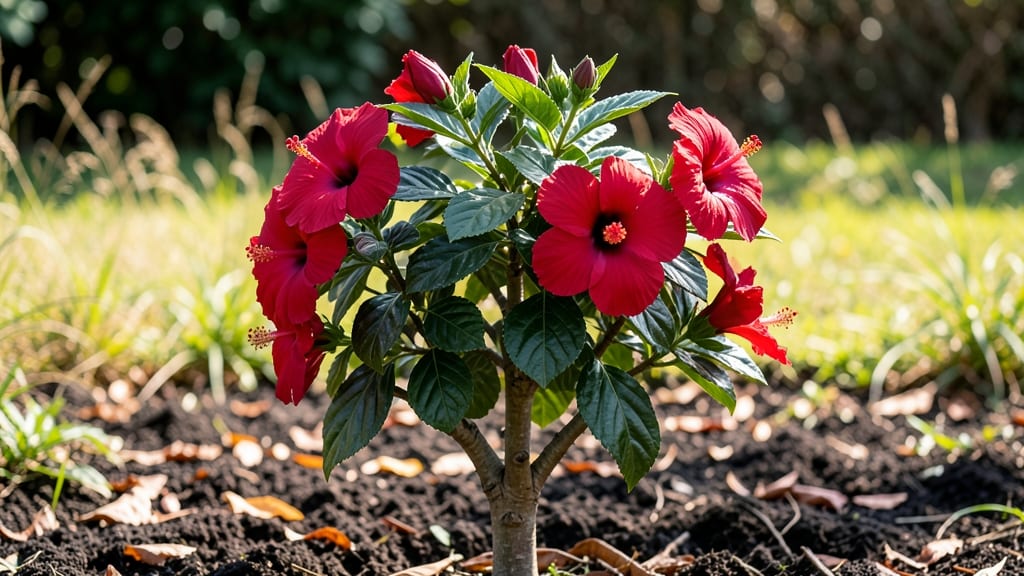
The hibiscus growing season runs from late spring through early fall, typically May to October in USDA Zones 7–11, with summer producing the most vibrant blooms. Cold-hardy varieties like Hibiscus moscheutos can survive Zones 5–9, while tropical hibiscus (Hibiscus rosa-sinensis) thrive year-round only in Zones 10–11. Always plant after the last frost and prune in early spring to encourage healthy growth.
Understanding your local climate is key to timing hibiscus care perfectly. 🌸 In cooler zones (5–9), these plants enter dormancy in winter, so I recommend covering them with mulch or frost cloth if temperatures drop below 20°F.
For tropical varieties in Zones 10–11, consistent warmth lets them bloom continuously if given proper moisture and sunlight. The real secret to lush flowers? Pruning right after blooms fade—this removes spent stems and redirects energy to new growth, keeping your hibiscus thriving through its active months.
Here's a pro tip: monitor soil moisture closely during peak summer heat. Hibiscus plants need about 1–2 inches of water per week, but overwatering can cause root rot. I always check the top inch of soil—if it's dry, that's your cue to water deeply.
A balanced fertilizer with equal parts nitrogen, phosphorus, and potassium (like 10-10-10) applied every 4–6 weeks keeps them fed without burning the roots.
💡 In This Article
- Hibiscus Growing Season by USDA Hardiness Zones
- Pruning and Care Tips for Year-Round Hibiscus Blooms
Hibiscus growing season by USDA hardiness Zones
The hibiscus growing season varies dramatically by zone, with temperature thresholds determining dormancy periods. In Zones 5–9, hardy varieties like Hibiscus moscheutos (swamp hibiscus) enter dormancy when nighttime temps drop below 20°F, typically by late fall.
These plants rely on their deep root systems to survive winter, but they need protection—mulch 4–6 inches deep insulates roots and prevents freeze damage. Tropical hibiscus (Hibiscus rosa-sinensis), however, can't tolerate frost at all and only thrive year-round in Zones 10–11, where winter temps stay above 30°F.
Bloom timing also shifts by zone: In Zones 7–9, hibiscus typically burst into color from June through September, with peak flowering in July-August when days are longest. The science behind this is photoperiodism—long daylight hours trigger flower production.
In Zones 10–11, tropical varieties can bloom continuously if given consistent care, but they often show reduced vigor during the coolest winter months (Dec-Feb) when growth naturally slows. 🌿 What's fascinating is how hibiscus adjusts: in cooler zones, buds form on new growth, while tropical types produce flowers on both old and new wood.
Planting timing is critical to avoid frost damage. In Zones 5–9, wait until after the last frost date—usually mid-to-late May—when soil temps reach at least 60°F. For Zones 10–11, you can plant year-round, but spring (March-April) gives roots time to establish before summer heat.
The root zone needs to warm to 65°F for optimal growth, which is why container-grown hibiscus often outperform transplanted ones—they adapt faster to temperature shifts.
Seasonal care adjustments make all the difference. In Zones 5–9, reduce watering in late fall to every 10–14 days to encourage dormancy, then resume weekly deep waterings (1–2 inches) in spring.
Tropical hibiscus in Zones 10–11 need daily watering in summer (up to 3 inches per week) but can handle slightly drier soil in winter. The key is monitoring leaf color: yellowing leaves signal overwatering, while crispy edges mean underwatering—both stress the plant and reduce blooms.
Here's what most gardeners miss: hibiscus in Zones 5–9 need a spring fertilizer boost when new growth appears (usually early April), while tropical types benefit from monthly feeding during bloom season (May-October).
The nitrogen-phosphorus-potassium ratio matters too—use 10-10-10 for general growth but switch to 5-10-10 when buds form to encourage flowering. This balance prevents leafy growth at the expense of blooms, which is a common mistake.
For container gardeners in Zones 7–9, move pots to sheltered locations when night temps drop below 45°F—even tropical hibiscus can suffer if exposed to prolonged cold. A clear plastic tent or frost blanket adds 5–10°F of protection, extending the growing season by 2–4 weeks.
This simple trick lets you enjoy hibiscus blooms well into November in marginal zones. 🌸