
Blooming
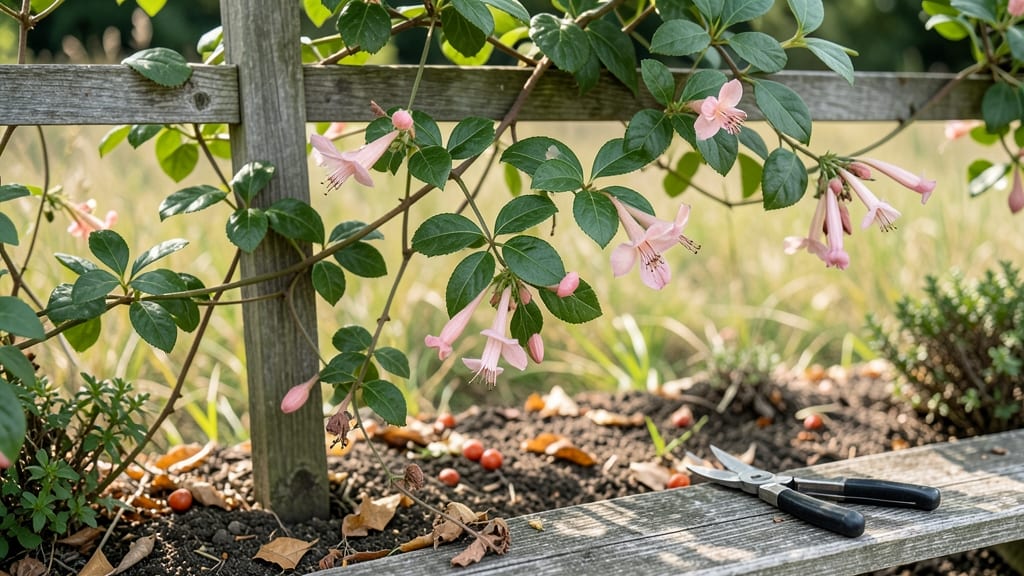
Your honeysuckle’s bloom season is the time when your garden becomes a fragrant sanctuary 🌸 — but timing it right depends on your USDA zone and the variety you’ve planted.
If you’ve ever caught that intoxicating sweetness drifting through your garden, you know its fleeting bloom season is worth planning for — yet timing varies dramatically across the U.S.
In cooler zones like 6a, honeysuckle typically bursts into color in late spring, while warmer climates may see blooms stretching from early summer into fall.
Below, I’ll break down the exact months for your zone, plus pro tips to extend that fragrant peak and keep your vine blooming longer than ever.
Honeysuckle bloom season by USDA zone: month-by-month breakdown
Timing your honeysuckle blooms isn’t just about planting the right variety—it’s about understanding your USDA zone and local microclimates. Coastal areas often bloom 2-4 weeks earlier than inland zones due to milder winters, while high-altitude gardens may see delayed flowering.
For example, Lonicera periclymenum (common honeysuckle) thrives in zones 4-7 and typically blooms in late May to July, while Lonicera sempervirens (trumpet honeysuckle) in zones 4-9 peaks in June through August.
Your garden’s sunlight exposure and soil moisture also shift bloom windows. South-facing trellises accelerate flowering, while north-facing spots can delay it by 3-6 weeks. Even 1 inch more rainfall per month can extend the bloom season by 10-15 days in drier zones like 8-10.
Let’s break down the exact months for your zone to plan your fragrance strategy.
| USDA Zone | Early Bloomers (Spring) | Peak Bloom (Summer) | Late Bloomers (Fall) | Climate Notes |
|---|---|---|---|---|
| Zones 3-4 | Late May - Early June | June - July | August (brief) | Short season; plant Lonicera tatarica for hardiness |
| Zones 5-6 | Mid-May - Late June | June - August | September (cooler zones) | Prune in early spring to encourage early blooms |
| Zones 7-8 | April - May | May - September | October (humid climates) | Plant sempervirens for year-round interest |
| Zones 9-10 | March - April | April - October | November (mild winters) | Use drip irrigation to prevent heat stress |
🌱 Coastal zones may bloom 2-4 weeks earlier than inland areas
If you’re in zones 3-4, focus on early spring bloomers like Lonicera tatarica, which tolerates -40°F winters. These varieties often bloom 2-3 weeks later than their southern counterparts due to slower soil warming.
In zones 9-10, Lonicera japonica (Japanese honeysuckle) can bloom year-round in ideal conditions, but peak fragrance occurs from March to October.
Coastal gardens in zones 7-10 experience earlier blooms due to milder winters. For example, Lonicera sempervirens in San Francisco (Zone 9) may start blooming as early as February, while inland Sacramento (Zone 9) sees blooms begin in April. This 2-month delay highlights how microclimates dictate your garden’s timeline.
To extend your honeysuckle bloom season, plant multiple varieties with staggered timing. Pair early spring bloomers like Lonicera periclymenum with late summer varieties like Lonicera xylosteum.
This creates a continuous fragrance cascade from May through September in zones 5-8. In zones 9-10, you can even enjoy fall blooms if you choose
How to extend your honeysuckle bloom season naturally
Honeysuckle’s natural bloom season often feels like a fleeting moment—just a few weeks of intoxicating fragrance before the flowers fade. But with the right gardening hacks, you can coax your vines into blooming earlier, later, or even stagger multiple peaks throughout the growing season.
The secret lies in understanding your plant’s growth cycles and giving it the right conditions at the right time.
One of my favorite tricks is strategic pruning combined with nutrient timing. By pruning at the right moments and feeding your honeysuckle with the right nutrients, you can trick it into producing fresh blooms when you want them.
Even better, planting multiple varieties—like the early-blooming Japanese honeysuckle (Lonicera japonica) alongside the late-summer trumpet honeysuckle (Lonicera sempervirens)—creates a fragrance cascade that lasts from spring to fall.
- 1 Prune for repeat blooms: Cut back 1/3 of old wood in early spring to encourage new growth. For late-season blooms, prune lightly after the first flush of flowers to stimulate a second round.
- 2 Feed with phosphorus: Use a 10-20-10 fertilizer in early spring to boost flower production. Avoid nitrogen-heavy feeds—too much leafy growth means fewer blooms.
- 3 Plant staggered varieties: Combine early bloomers (e.g., Lonicera periclymenum) with late-season types (e.g., Lonicera sempervirens) to create a continuous fragrance from May to September.
- 4 Mulch for root warmth: Apply 2-3 inches of mulch in late winter to keep roots warm. This triggers earlier blooming by signaling the plant that spring has arrived.
- 5 Water deeply in drought: Honeysuckle blooms stress under drought. During dry spells, give your vines a deep soak once a week to keep flowers vibrant and prolong the season.
Don’t overlook the power of light exposure either. Honeysuckle thrives with 4-6 hours of sunlight daily, but too much harsh afternoon sun can stress the plant. If you’re in a hot climate (like zones 8-10), provide afternoon shade to prevent leaf scorch, which can shorten bloom time.
A simple lattice trellis with dappled shade works wonders.
For late-season blooms, focus on soil health in early summer. Amend your soil with compost and bone meal to provide slow-release nutrients. This gives your honeysuckle the energy it needs to produce a second flush of flowers in late summer or early fall.
I’ve seen trumpet honeysuckle (Lonicera sempervirens) burst into bloom again in September with just this simple tweak!
Finally, protect your honeysuckle from pests like aphids and spider mites, which can weaken the plant and reduce flowering. A neem oil spray every 4-6 weeks keeps pests at bay without harming pollinators. When your vines stay healthy, they’ll reward you with longer, more abundant blooms all season long.
With these natural methods, you’ll turn your garden into a fragrance sanctuary that lasts from spring to fall. The key is observation and timing—watch your plants, adjust your care, and enjoy the sweet rewards of a honeysuckle that blooms on your schedule. 🌿✂️🌸