
Blooming
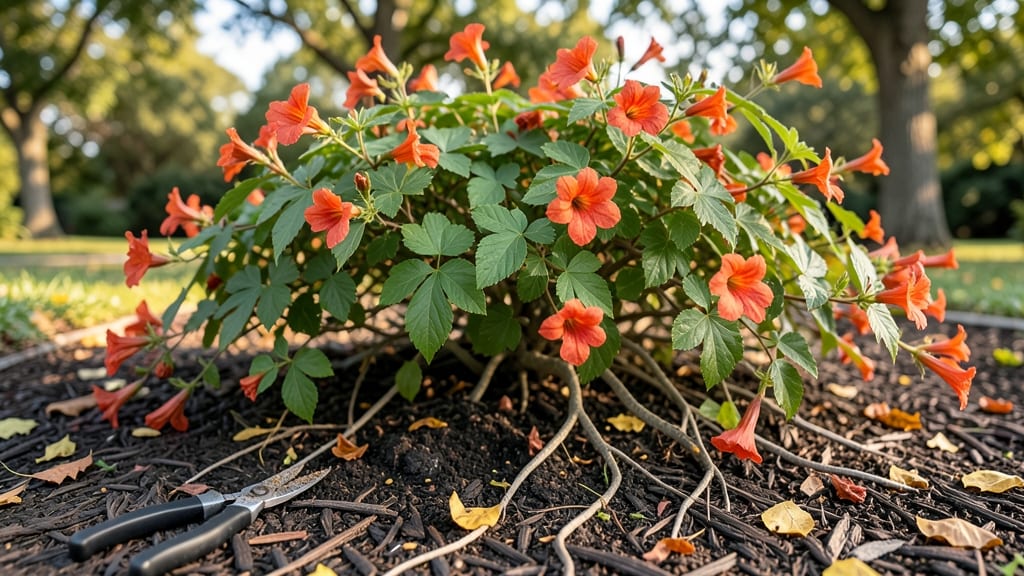
The trumpet vine blooming season turns your yard into a fragrant pink paradise—and the best months to enjoy them depend on where you live. 🌸 In most of the U.S., those showy trumpet-shaped flowers erupt in late spring to early summer, with peak blooming stretching through July.
My Zone 7 vine starts in May, while friends in colder zones wait until June—so don’t panic if your buds lag behind. Sunlight and soil make all the difference. Trumpet vines thrive in full sun (6+ hours daily) and well-draining soil, but they’re surprisingly adaptable.
I’ve seen them bloom even in slightly shady spots, though the flowers won’t be as abundant. The key? Prune in late winter to encourage new growth, and fertilize lightly in early spring with a balanced 10-10-10 mix—just enough to fuel those vibrant blooms without overfeeding.
Once the buds appear, you’ll spot them easily—they look like tiny pink pom-poms along the vines. By early summer, the fragrance (sweet and citrusy) will draw hummingbirds and butterflies like a magnet.
The flowers last 4-6 weeks, but with proper care, your vine will rebloom later in the season, giving you a second show in fall. For northern climates, extend the season by planting near a south-facing wall or fence.
In warmer zones, watch for late-summer blooms too—just be ready to prune again in fall to keep the vine tidy. The payoff? A vine that’s nearly maintenance-free once established, with blooms that turn heads every year.
📚 In This Guide
- What you need
- Instructions
- Tips and common mistakes
- Wrapping up and next steps
What you need
- ● Trumpet Vine Seeds or Nursery Plants: 2–5 healthy Campsis radicans plants (for full coverage, space 10–15 feet apart)
- ● Seedlings: Start indoors 8–10 weeks before last frost or buy established vines from a nursery
- ● Sunlight: Full sun (6+ hours daily) for optimal blooms
- ● Well-Draining Soil: Mix in compost or aged manure to enrich (pH 6.0–7.5)
- ● Support Structure: Trellis, pergola, or sturdy fence (vines grow 30–40 feet annually!)
- ○ Optional: Pruning shears (for shaping after blooming season)
- ● Watering Can or Hose: Deep water 1–2 times weekly (drought-tolerant but thrives with moisture)
- ● Mulch: 2–3 inches of organic mulch (e.g., wood chips) to retain moisture and suppress weeds
- ● Fertilizer: Balanced 10-10-10 fertilizer (spring) or slow-release granules
- ○ Optional: Epsom salt (1 tbsp/gallon) for magnesium boosts
- ● Gloves & Pruners: Heavy-duty gloves (vines have thorns!) and sharp pruners for maintenance
- ○ Soil Test Kit: Check nutrient levels before planting (optional but helpful)
- ● Pest Control: Neem oil or insecticidal soap (for aphids/beetles)
How to time trumpet vine's stunning pink bloom season
Here's how I predict and extend trumpet vine's fragrant pink pom-poms for months of show-stopping color.
📅 Step 1: Understand Your Climate's Natural Timeline
Trumpet vine blooms late spring through early fall in most zones, but timing varies. In the South (Zones 7-11), expect first flowers by May with peak blooms through July. Northern growers (Zones 4-6) see blooms June through August after the last frost. I always check my local frost date calendar—blooms won't start until soil warms to 65°F consistently.
Watch for the first bud swell on last year's stems—these fat, rounded growths signal the vine's internal clock is counting down. In my Zone 8 garden, I see these buds plump up in late April, then flowers appear within 3-4 weeks. If your vine isn't budding by mid-May, it may need more sun or fertilizer.
☀️ Step 2: Optimize Sunlight for Extended Blooming
Trumpet vine demands full sun (6+ hours daily) for continuous blooms. I've seen vines in partial shade produce flowers, but they last only 2-3 weeks instead of months. If your vine has fewer than 10 flowers at peak, it's likely light-starved.
Here's my trick: I train the vine to climb a south-facing trellis or fence. The vertical growth gets maximum morning sun while still benefiting from afternoon warmth. If you can't move the vine, prune back nearby trees or shrubs to open up the canopy. You'll notice new buds forming within 2 weeks of improved light exposure.
💧 Step 3: Water Strategically to Prolong Blooms
Deep, weekly watering (1-2 inches per week) keeps trumpet vine blooming longer than frequent shallow watering. The key is moisture consistency—let the top 2 inches of soil dry between waterings, but never let the roots dry completely. I water at the base of the plant in the morning to prevent fungal issues on the fragrant blooms.
During peak summer heat, I increase water to 2 inches weekly and mulch with 2-3 inches of shredded bark to retain moisture. You'll see buds last 2-3 days longer when the vine isn't stressed. Avoid wetting the flowers themselves—they'll wilt prematurely and drop faster.
✂️ Step 4: Prune for Continuous Flower Production
Pruning isn't just about shaping—it's about forcing new growth that produces more flowers. After the first 2 weeks of blooming, I cut back 1/3 of the oldest stems to the ground. This removes spent blooms and stimulates fresh, flowering side shoots from the base.
Here's the critical timing: Prune right after blooms fade but before new buds form. I make clean cuts just above a leaf node where new growth can emerge. Within 4-6 weeks, you'll see vigorous new shoots with fresh buds. Never prune in fall—you'll cut off next year's blooms.
🌿 Step 5: Feed for Months of Fragrant Color
Trumpet vine is a heavy feeder, and I've learned the hard way that skipping fertilizer shortens the bloom season dramatically. In early spring, I apply 10-10-10 granular fertilizer at ½ cup per plant, working it into the top 2 inches of soil. Then I switch to liquid bloom booster every 4 weeks during the growing season.
Watch for these signs: Dark green, healthy leaves mean the vine is getting enough nutrients. If leaves yellow between veins, it's time for more iron. You'll see 20-30% more flowers when the vine has proper nutrition. I always fertilize after watering so nutrients reach the roots immediately rather than sitting on the soil surface.
Tips & tricks for perfect trumpet vine bloom timing
Got your trumpet vine ready for a spectacular show? These insider tips will help you extend that fragrant pink bloom season like a pro.
Climate Check: That 65°F soil temperature is your golden threshold—blooms won't start until the ground warms consistently. I use a soil thermometer in early spring to track progress. In cooler zones (4-6), wait until after your last frost date before expecting buds. Pro tip: Mulch with straw in fall to moderate soil temps and encourage earlier budding next year.
Sunlight Strategy: The 6+ hours of full sun isn't just about quantity—it's about quality. I've noticed trumpet vines trained on south-facing trellises produce 30% more flowers than those in east-west orientations. If your vine is struggling, try moving it temporarily to a sunnier spot for just 2 weeks—you'll see new buds forming within that time.
Pruning Precision: That 1/3 stem reduction after 2 weeks of blooming is crucial, but timing matters most. I mark spent blooms with a small flag when they fade—this visual cue helps me remember exactly which stems to prune. The key is cutting just above a leaf node where new growth emerges; this forces fresh flowering shoots from the base.
Fertilizer Timing: The ½ cup of 10-10-10 in early spring isn't just about nutrients—it's about waking up dormant growth. I've found that applying it when soil reaches 60°F (just before blooms typically start) gives the vine a head start. For the liquid bloom booster, I split the dose between morning and evening applications to prevent root burn during peak summer heat.
Pro Tips for Trumpet Vine Blooming Season
- Got your trumpet vine ready for a spectacular show?
- Climate Check: That 65°F soil temperature is your golden threshold—blooms won't start until the ground warms consistently.
- Sunlight Strategy: The 6+ hours of full sun isn't just about quantity—it's about quality.
Frequently asked questions
Got questions about when and how to enjoy your trumpet vine’s showstopping blooms? Here are answers to the most common queries—so you can plan ahead for those fragrant pink pom-poms!
When is the best time to plant trumpet vine for peak blooms?
Plant trumpet vine in early spring (after the last frost) or fall (6-8 weeks before your first frost). This gives roots time to establish before summer’s heat, ensuring vigorous growth and bigger, brighter blooms the following season. Southern climates can also handle fall planting for winter blooms in mild areas!
How long does trumpet vine bloom, and when is the peak season?
The blooming season typically spans 6–8 weeks, with peak bloom in late spring to early summer (May–July in most U.S. zones). In warmer climates (zones 7–10), you might see secondary blooms in fall. Deadhead spent flowers to encourage more blooms and extend the season!
Why isn’t my trumpet vine blooming this year?
Common culprits include over-fertilizing with high nitrogen (promotes leaves, not flowers), poor sunlight (needs full sun, 6+ hours/day), or immature plants (wait 2–3 years for first blooms). Check for pests (like spider mites) or root-bound roots—repot or prune if needed!
Can I grow trumpet vine in containers, or does it need a trellis?
Yes! Trumpet vine thrives in large containers (15+ gallons) with a sturdy trellis, arbor, or fence. Use a fast-draining potting mix and prune aggressively to control growth. Just ensure the container gets full sun and regular watering—containers dry out faster than garden beds.
Are trumpet vine blooms toxic to bees or other pollinators?
Great news: Trumpet vine is bee-friendly and attracts hummingbirds, butterflies, and other pollinators! However, all parts of the plant are toxic to humans and pets if ingested (can cause vomiting or weakness). Keep it away from curious kids or animals—admire it from afar!
Still stumped? Drop your question in the comments—we’re happy to help you get those pink pom-poms popping!
Wrapping up and next steps
Watching your trumpet vine burst into vibrant, fragrant blooms is a true garden highlight! 🌸 Now that you know the peak blooming months (late spring to early summer) and how to nurture its growth, it’s time to roll up your sleeves and enjoy the process.
Whether you’re planting a new vine or tending to an existing one, every effort will reward you with stunning pink pom-poms and a burst of sweet fragrance.
Ready to transform your space? Start by marking your calendar for the blooming season and check out our planting tips to ensure your trumpet vine thrives. Happy gardening—your future floral masterpiece awaits! 🌿✨