
Blooming
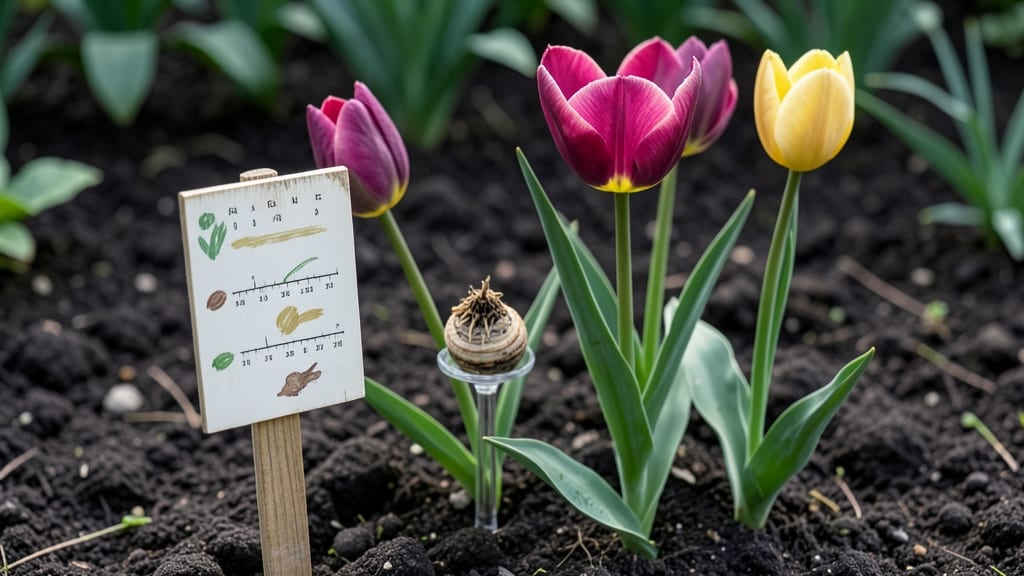
To determine how long tulip season lasts, know that it typically spans 4 to 8 weeks, peaking in late spring (April–May) depending on your USDA zone and the specific tulip variety, with early bloomers appearing as soon as March in warmer regions and late varieties lasting into June in cooler climates.
Tulip season's duration isn't set in stone—it varies dramatically based on where you live and which varieties you plant. 🌷 In my experience, early bloomers like Darwin hybrids often kick off the show in March for Southern gardeners (Zones 7-10), while late varieties such as fosteriana tulips may not reach their peak until early June in colder Northern zones (Zones 3-5).
The key factor is temperature: tulips need consistent chilling during winter followed by warm spring days to trigger blooming. This is why you might see tulips in full bloom for just 2-3 weeks in cooler climates, while warmer regions enjoy a more extended 6-8 week display.
What's fascinating is how gardeners can actually stretch their tulip season by making smart choices. Planting a mix of early, mid, and late varieties creates a cascading effect—some blooms fade just as others begin.
I've found that adding a layer of mulch after flowering helps preserve bulb energy for next year, while proper deadheading (removing spent blooms) can encourage stronger stems and sometimes even a second flush of flowers in certain varieties.
💡 In This Article
- Tulip Blooming Timeline by USDA Zone and Variety
- Extending Tulip Season with Planting and Care Tips
Tulip blooming timeline by USDA Zone and variety
The length of tulip season hinges on two critical factors: your USDA hardiness zone and the specific tulip variety you're growing. In Zone 3 (think Minnesota or Maine), where winters are harsh, tulips typically bloom for about 3-4 weeks between late April and mid-May.
The cold snap during winter forces bulbs into dormancy, and they need consistent 40-50°F soil temperatures to break dormancy. Meanwhile, in Zone 9 (Southern California or Arizona), tulips often start blooming as early as February and may extend into May, giving you a 6-8 week display.
This dramatic difference occurs because milder winters don't provide the same level of dormancy trigger.
Variety selection makes an enormous difference in bloom duration. Darwin hybrid tulips, like 'Apeldoorn' or 'Queen of Night,' are known for their 2-3 week bloom period in mid-to-late spring, making them ideal for extending your season when paired with earlier varieties.
On the other hand, fosteriana tulips (such as 'Yellow Prince') often bloom 1-2 weeks earlier than standard tulips and have a slightly shorter display of 2 weeks, but their vibrant colors make them a stunning opener.
What's fascinating is how parrot tulips (like 'Black Parrot') can sometimes rebloom later in the season if given proper care, adding an extra 1-2 weeks to your display in optimal conditions.
Climate plays a subtle but crucial role in bloom timing. In regions with variable spring temperatures (like the Pacific Northwest), tulips might experience a delayed bloom if cold snaps persist into April.
Conversely, areas with consistent warming trends (such as the Southeast) often see tulips bloom 1-2 weeks earlier than predicted. This is why gardeners in Zone 7 might see tulips start in March but peak in April-May, creating a more extended viewing window.
The key is understanding your local microclimate—urban areas often bloom 1 week later than surrounding rural areas due to the "urban heat island" effect.
For those who want to maximize their tulip season, planting a staggered variety mix is the golden rule. Start with early bloomers like 'White Dream' (March-April), followed by mid-season varieties such as 'Purple Prince' (April-May), and finish with late bloomers like 'Red Emperor' (May-June).
This creates a 6-8 week continuous display rather than a single 2-week burst. The science behind this works because each variety has slightly different vernalization requirements—the cold period needed to trigger flowering—which means they'll respond to spring warming at different times.
What most gardeners don't realize is how soil temperature affects bloom duration. Tulips planted in well-draining soil with temperatures between 50-60°F will generally have a longer bloom period because the roots can absorb nutrients more efficiently.
In contrast, waterlogged or overly compacted soil can shorten the bloom by 1-2 weeks as the bulbs struggle to establish roots. This is why amending your soil with compost or sand before planting can make a noticeable difference in both bloom timing and duration.
Consider this real-world example: In Zone 5 (like Chicago), planting 'Istanbul' tulips (early bloomer) alongside 'Negrita' tulips (late bloomer) creates a 7-week display from late April to early June. The early variety starts blooming when soil temperatures reach 55°F, while the late variety waits until 60°F is consistently maintained.
This staggered approach isn't just about aesthetics—it also helps prevent overcrowding, as each variety has slightly different spacing requirements for optimal growth.
One final pro tip: Pay attention to day length (photoperiod). Tulips are long-day plants, meaning they'll bloom more prolifically when exposed to 14+ hours of daylight.
In Northern regions, this natural light increase triggers blooming, while in Southern areas, gardeners might need to supplement with grow lights for 2-3 weeks before expected bloom time to encourage earlier and more abundant flowering. 🌷