
Blooming
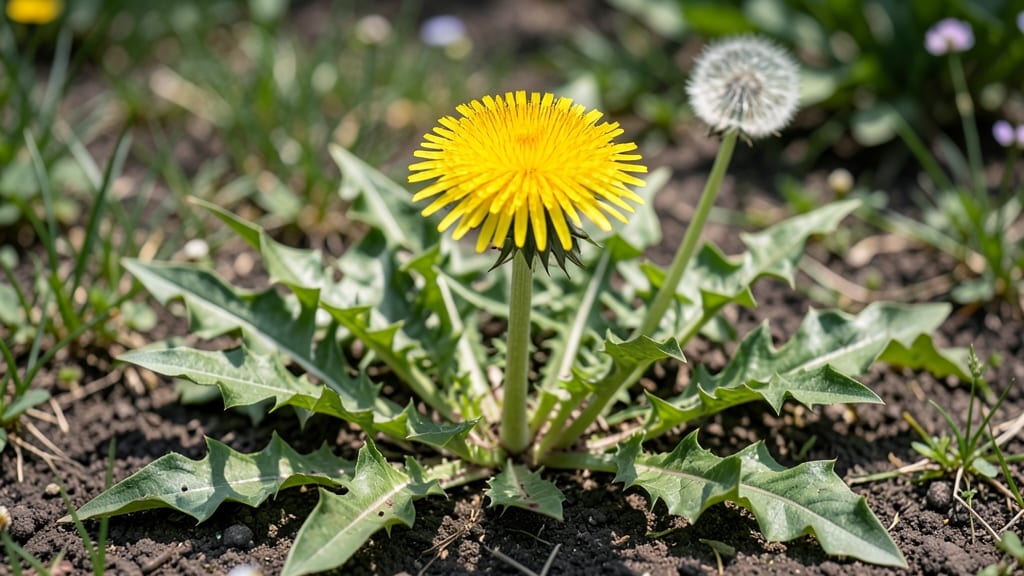
Dandelion season typically lasts 4-6 weeks per bloom cycle, with multiple cycles spanning early spring through late fall in most temperate regions, though exact timing varies by climate and latitude. Northern areas see shorter, earlier seasons, while southern zones may enjoy year-round growth with staggered blooms.
Dandelions don't stick to one rigid schedule—they adapt to local conditions like temperature shifts and daylight changes. 🌱 In my experience, the first bloom wave often appears when soil temperatures hit 50°F, while later cycles may extend into frost-prone months in milder microclimates.
The staggered blooming pattern means you'll typically see fresh yellow flowers appearing every 6-8 weeks throughout the growing season, with some plants even producing a final flush before winter sets in.
What's fascinating is how urban environments can create entirely different bloom patterns. City sidewalks often see dandelions flowering 2-3 weeks earlier than rural fields due to heat island effects, while well-maintained lawns may suppress blooms until late spring.
The key to predicting your local season is tracking the first frost date—most dandelions will produce at least one final bloom cycle before winter dormancy sets in.
💡 In This Article
- Dandelion Bloom Cycles Explained: Why They Repeat
- Regional Dandelion Season Calendar: When to Expect Blooms
Dandelion bloom cycles explained: why they repeat
Dandelions follow a precise botanical rhythm tied to temperature and daylight. Their blooming cycles begin when soil temperatures reach 50°F and continue as long as daytime temperatures stay above 60°F.
This creates the characteristic 4-6 week bloom windows you'll observe, where each cycle produces those iconic bright yellow flowers before transitioning to seed heads. The plant's internal clock responds to photoperiod too—longer daylight hours trigger flowering, while shorter days signal seed production.
The magic happens in their deep taproots, which can extend 12-15 inches underground. These roots store energy and water, allowing dandelions to survive harsh winters and produce multiple bloom cycles. Unlike biennials that flower once then die, dandelions are perennials that can continue this pattern for years.
In my garden, I've seen individual plants produce 3-5 bloom cycles in a single growing season, with each cycle lasting 3-4 weeks from bud to seed.
Regional climate plays a huge role in extending or shortening these cycles. In northern climates with short growing seasons, you'll typically see 2-3 bloom cycles between early spring and late summer.
But in southern regions with milder winters, dandelions often produce continuous blooms throughout the year, with only brief pauses during extreme heat or cold. Humidity levels also matter—the higher the moisture, the longer each bloom cycle tends to last before transitioning to seed production.
What's particularly interesting is how dandelions adapt to urban environments. City heat islands can advance first blooms by 2-3 weeks compared to rural areas, while well-watered lawns may see delayed blooming until late spring.
The plant's resilience means it can even produce a final bloom cycle before winter dormancy sets in, especially in microclimates protected from frost. This adaptability is why you'll see dandelions flowering in March in California but not until May in Minnesota.
Here's what happens during each bloom cycle:
- Bud formation: Triggered by 12+ hours of daylight and soil temps above 50°F
- Flowering peak: Occurs when daytime temps reach 60-75°F (optimal for pollinators)
- Seed production: Begins when days shorten or temps drop below 55°F
- Dormancy period: Roots remain active but above-ground growth pauses during extreme cold
The entire process is a remarkable example of plant adaptation. Dandelions don't waste energy on elaborate flowers—their bright yellow blooms are designed to attract pollinators efficiently while their deep roots ensure survival through harsh conditions.
This dual strategy explains why they thrive in disturbed soils and urban areas where other plants might struggle.