
Planting
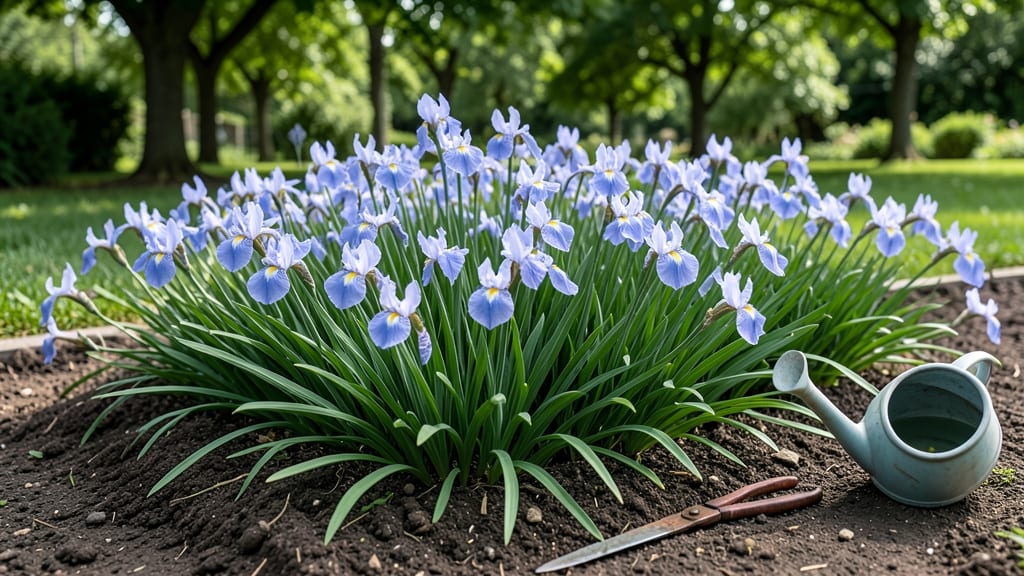
The Hummingbird Carpet plant thrives in USDA hardiness zones 9 through 11, making it ideal for warm climates like southern California, Florida, Texas, and the Gulf Coast regions. It requires consistent warmth and protection from frost to flourish year-round.
The Hummingbird Carpet plant (also called Willowleaf Salvia) thrives where temperatures rarely dip below 20°F, which is why zones 9-11 are perfect. 🌿 These areas provide the year-round warmth and humidity this tropical ground cover craves, preventing the leaf scorch that cold snaps can cause.
Unlike frost-hardy plants, it won't survive even light freezes, so gardeners in marginal zones must treat it as an annual or grow it in containers for winter protection.
What sets this plant apart is its ability to spread aggressively in ideal conditions, creating a lush, hummingbird-attracting carpet. In Florida or southern California, it's a low-maintenance superstar, but in cooler regions, you'll need to mimic its native environment with shade cloths or indoor growing during winter months.
💡 In This Article
- Understanding Hummingbird Carpet Plant Hardiness Zones 9-11
- Best States and Regions for Growing Hummingbird Carpet Plants
Understanding Hummingbird Carpet plant hardiness zones 9-11
The Hummingbird Carpet plant (Scoparia dulcis) thrives in zones 9-11 because its native habitat spans tropical regions where average winter temperatures stay above 40°F. The plant's delicate leaves begin to show frost damage at 32°F, with irreversible damage occurring below 20°F.
This sensitivity explains why it never develops cold-hardiness mechanisms like woody stems or thick cuticles found in temperate plants. 🌡️
Zones 9-11 provide the perfect balance of warmth and humidity this plant needs. In these zones, summer temperatures consistently reach 85-95°F with high humidity (often 60-80%), creating ideal conditions for its rapid growth.
The plant's shallow root system thrives in this environment, allowing it to spread aggressively through underground runners—unlike drought-tolerant ground covers that develop deep taproots. In contrast, similar tropical plants like Mondo grass can tolerate slightly cooler zones (8-11) because their growth habits are less dependent on constant warmth.
The plant's humidity requirements are equally critical. In zones 9-11, the natural air moisture prevents the leaf edges from browning—a common issue when humidity drops below 50%.
For example, in southern Florida, the plant maintains vibrant green foliage year-round, while in coastal California, it may require supplemental misting during dry summer months. This moisture dependency explains why it struggles in arid desert regions, even within zone 11.
What's fascinating is how the plant's flowering mechanism responds to these conditions. Hummingbird Carpet plants produce tiny white flowers that bloom continuously in ideal zones, providing nectar for pollinators.
The flowers appear in clusters along the stems, with each bloom lasting only 24-48 hours but being replaced by new ones in rapid succession—a survival adaptation that ensures constant food availability for hummingbirds in its native tropical ecosystems. 🐦
For gardeners pushing the plant's limits in zone 8b, the key challenge becomes creating microclimates that mimic its natural environment.
This often involves planting near south-facing walls that absorb and radiate heat, using 3-inch thick mulch layers to insulate roots, or growing in containers that can be moved indoors during winter. The plant's inability to photosynthesize efficiently below 55°F makes these protective measures essential for survival.
An interesting comparison is with the closely related Salvia microphylla, which shares similar growth habits but can tolerate slightly cooler temperatures (down to 15°F with protection). This difference highlights how Hummingbird Carpet's specialized adaptations for extreme tropical conditions make it more sensitive to temperature fluctuations.
The plant's growth rate also serves as a natural indicator of climate suitability—healthy specimens in zones 9-11 can spread 12-18 inches per year, while stunted growth in cooler zones signals stress.