
Planting
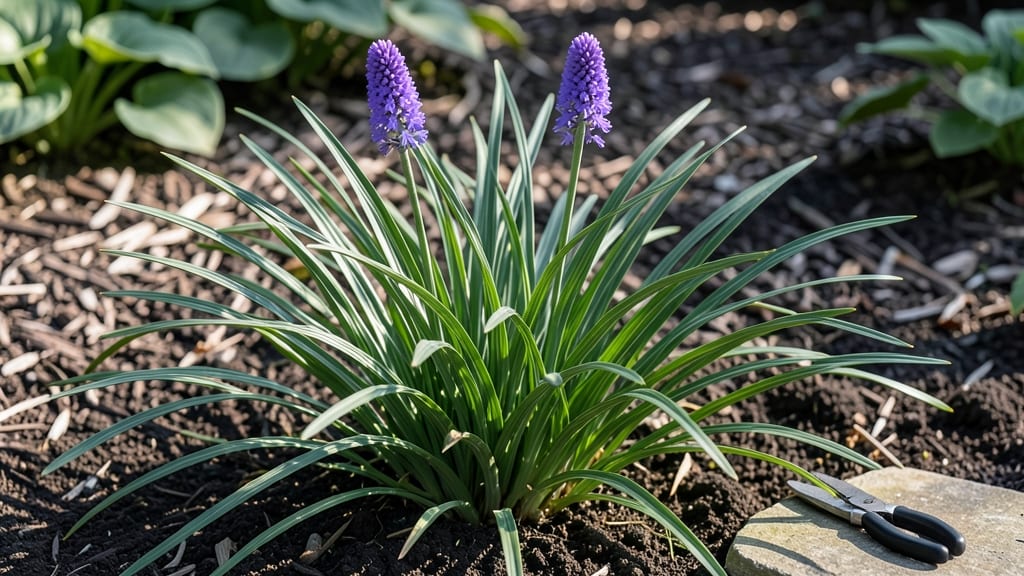
The 1-3-1 zone planting method creates three soil layers—topsoil, compost, and mulch—to maximize root growth, moisture retention, and nutrient absorption for stronger, healthier plants. Begin by blending 1 part compost with 3 parts topsoil, then finish with 1 part mulch.
The 1-3-1 zone method transforms your garden's foundation by combining organic matter with native soil in a way that mimics natural ecosystems. 🌱 The compost layer introduces beneficial microbes and nutrients, while the topsoil provides the structural framework plants need to establish strong roots.
Mulch on top acts as a protective barrier, regulating soil temperature and reducing evaporation—critical factors for drought-prone areas or hot climates.
This approach works particularly well for container gardening or raised beds, where you have full control over soil composition. For example, when planting vegetables like tomatoes or peppers, the extra nutrients from the compost layer help them thrive even in poor-quality soil.
I've seen firsthand how this method extends the growing season by keeping roots cool in summer and insulating them in winter.
💡 In This Article
- How the 1-3-1 Zone Improves Soil Health
- Step-by-Step Guide to Implementing the 1-3-1 Zone
How the 1-3-1 zone improves soil health
The 1-3-1 zone method works by creating a balanced ecosystem in your soil that mimics natural forest floors. The topsoil layer (3 parts) provides the structural framework plants need, containing minerals like calcium and magnesium that support root development.
Meanwhile, the compost layer (1 part) introduces a diverse community of beneficial microbes—including bacteria, fungi, and protozoa—that break down organic matter into plant-accessible nutrients through a process called mineralization.
What makes this system particularly effective is how these layers interact. The compost layer, often made from well-aged materials like leaf mold or worm castings, improves soil aeration by creating tiny air pockets as it decomposes.
This aeration is crucial because plant roots need oxygen to respire properly—poorly aerated soil leads to root rot and stunted growth. The mulch layer (1 part) on top further enhances this by preventing soil compaction from rain or foot traffic, maintaining those vital air channels.
Temperature regulation is another key benefit. Mulch acts like a natural insulator, keeping soil 5-10°F cooler in summer and 5-10°F warmer in winter compared to bare soil. This stability is particularly valuable for heat-sensitive crops like lettuce or strawberries.
The mulch also reduces water evaporation by up to 70%, meaning you'll need to water 30-50% less—a game-changer in drought-prone regions or for busy gardeners.
Let's talk about nutrient cycling—the real magic happens here. The compost layer contains 1-3% nitrogen by weight, which feeds the microbial population that then converts other nutrients into forms plants can absorb. For example, phosphorus from the compost becomes available to roots as phosphate ions, while potassium supports cell structure.
This continuous nutrient release means plants get a steady supply rather than the quick but short-lived boost from chemical fertilizers.
One often-overlooked benefit is the mulch's role in suppressing weeds. By blocking sunlight, it prevents weed seeds from germinating while simultaneously adding organic matter to the soil as it breaks down.
Over time, this 3-4 inch mulch layer becomes part of the soil ecosystem, gradually enriching it without needing additional amendments. The result? Healthier plants with stronger immune systems that can better resist pests and diseases.
Consider this comparison: A standard garden bed might have 0.5% organic matter by volume, while a properly implemented 1-3-1 zone can reach 5-10% organic matter.
That fivefold increase in organic material transforms soil from a simple growing medium into a thriving ecosystem that supports plant health at every stage. 🌱