
Size
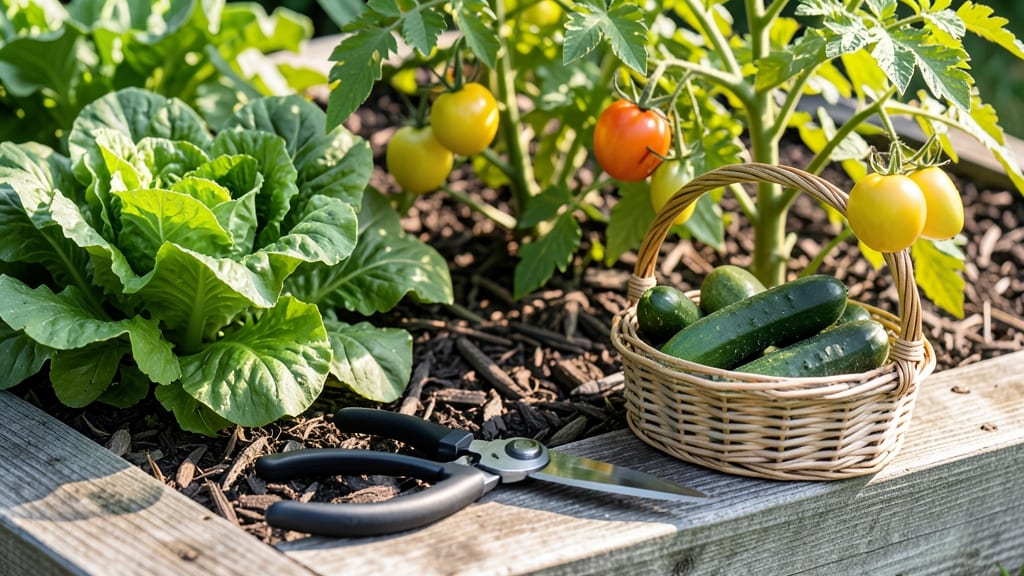
To season your garden for growing vegetables, timing depends on your hardiness zone, with cool-season crops like lettuce and peas thriving in spring or fall, while warm-season varieties such as tomatoes and peppers need soil temperatures above 60°F after last frost. Always verify local frost dates and soil readiness for peak planting success.
Timing your vegetable planting is all about matching your climate to each plant's needs. 🌱 Cool-season crops like spinach and kale actually prefer temperatures between 40°F and 75°F, while warm-season stars like cucumbers and eggplants will bolt if planted too early.
I've found that using a soil thermometer is the best way to confirm readiness—especially in transitional zones where spring and fall can be unpredictable. The key is understanding your specific hardiness zone's frost-free window and adjusting your planting schedule accordingly.
What makes this even more important is how soil temperature affects germination rates. For example, tomato seeds typically sprout within 7-14 days at 70°F, but can take twice as long at 60°F.
That's why I always recommend waiting until the soil consistently stays above 60°F at a depth of 2 inches—this ensures strong root development from the start. The good news is that most garden centers now offer zone-specific planting calendars that do all this work for you.
💡 In This Article
- How Climate Zones Affect Vegetable Planting Seasons
- Step-by-Step Guide to Preparing Soil for Seasonal Planting
How climate zones affect vegetable planting seasons
The USDA hardiness zone map divides North America into 13 zones based on average annual minimum temperatures, but for vegetable planting, the real game-changer is the last spring frost date and soil temperature thresholds.
These zones determine when your garden can support different crops—cool-season vegetables like broccoli and cabbage can handle light frosts (28°F), while warm-season crops like peppers and melons need consistent soil temperatures above 60°F for 2-3 weeks before planting.
The Sunset Western Garden Book takes this further by dividing regions based on microclimates, which can shift planting windows by 2-4 weeks even within the same USDA zone.
What's fascinating is how frost dates create these natural planting windows. In Zone 5, for instance, the last frost typically occurs around May 15, but in Zone 9, gardeners can plant warm-season crops as early as February.
The key metric is the 10-day average soil temperature at 4-inch depth—this is what triggers seed germination. For example, while lettuce seeds will sprout at 40°F, tomato seeds need 70°F or higher.
This is why I always recommend using a soil thermometer rather than relying on air temperature alone.
Microclimates add another layer of complexity. A south-facing wall can create a 5-10°F warmer zone than the rest of your yard, allowing you to plant heat-loving crops like okra 2-3 weeks earlier. Similarly, low-lying areas may stay cooler longer, extending the cool-season growing window.
The best way to identify these microclimates is to observe where frost lingers longest in spring and where heat builds up fastest in summer. This knowledge lets you strategically place temperature-sensitive crops for optimal growth.
Seasonal crop requirements create distinct planting schedules. Cool-season crops like kale and peas thrive when daytime temperatures stay below 75°F—they actually go to seed (bolt) when exposed to prolonged heat. Warm-season crops, on the other hand, need consistent warmth to develop properly.
For example, sweet corn requires 50-60 days above 60°F to reach maturity. This is why many gardeners in transitional zones like Zone 7 practice succession planting, staggering cool-season crops in early spring and late summer when temperatures drop again.
What most gardeners overlook is how these zones interact with day length. Photoperiod-sensitive crops like spinach and radishes grow best with 12-14 hours of daylight, which explains why they thrive in spring but struggle in summer's long days.
Meanwhile, crops like pumpkins and squash need longer daylight periods (14+ hours) to set fruit, which is why they're better suited for summer planting in most regions. Understanding these photoperiod requirements can help you extend growing seasons by choosing varieties that match your climate's natural light cycles.
For practical application, I recommend starting with your local cooperative extension service's planting calendar—these are tailored to your specific zone and include both USDA and Sunset zone considerations. They'll show you not just when to plant, but also when to expect harvests based on your region's typical weather patterns.
The most successful gardeners I know treat their planting schedule like a flexible framework rather than rigid rules, ready to adjust based on actual soil temperatures and weather forecasts.