
Vegetables
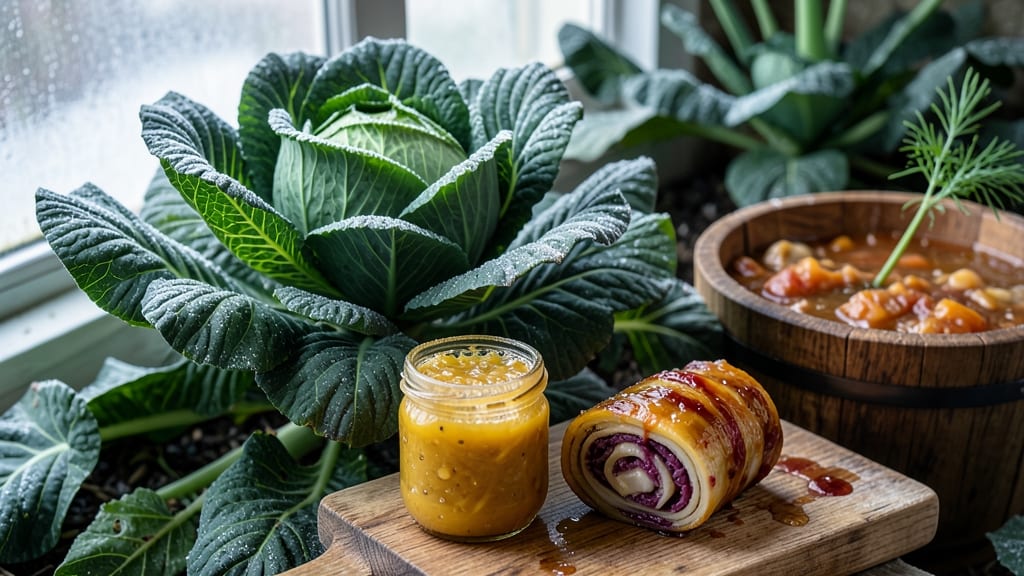
January’s in-season vegetables may seem limited, but these nutrient-dense picks offer bold flavors and health benefits perfect for hearty winter meals. Discover why these cold-hardy crops belong in your kitchen—and how to grow or source them locally.
Crisp Brussels Sprouts with Nutty Flavor
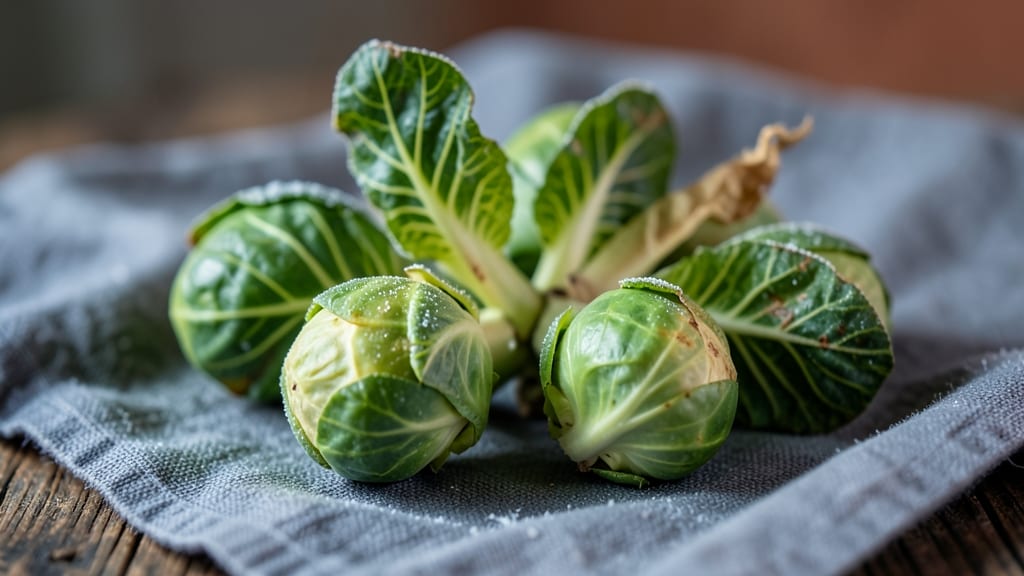
Winter’s chill transforms Brussels sprouts into a flavor powerhouse, delivering a nutty, crisp texture that’s packed with vitamin K and fiber. Unlike summer crops that wilt in heat, these sprouts actually sweeten when exposed to frost, making them one of January’s most rewarding garden vegetables.
For home gardeners, plant them in late summer for a winter harvest, spacing seeds 18-24 inches apart in well-draining soil. They thrive in full sun to partial shade and tolerate light frosts down to 20°F—ideal for extending your growing season. When harvesting, leave the bottom leaves intact to protect the tender sprouts until you’re ready to cook.
Urban gardeners with limited space can grow Brussels sprouts in containers, choosing compact varieties like 'Long Island Improved' that produce 20-30 sprouts per plant. Their versatility in dishes—from roasted to sautéed—makes them a must-have for winter meals. 🌱
Earthy Winter Kale for Smoothies and Salads
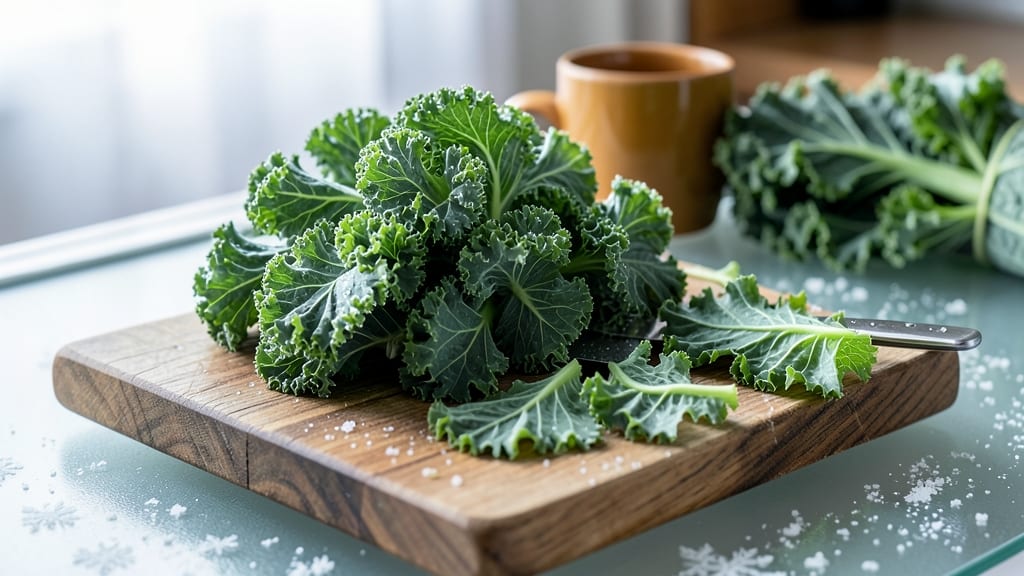
When winter’s bite makes fresh greens seem like a distant dream, kale steps in as your nutrient-packed superhero. This cold-hardy green thrives in January’s chill, delivering a powerhouse of vitamin A (140% daily value per cup!), vitamin C, and antioxidants—all while adding earthy depth to your meals.
For maximum flavor and texture, massage leaves with olive oil before tossing in salads or blending into detoxifying smoothies. If you’re growing your own, choose Lacinato (Dinosaur) kale for tender stems or Curly kale for sturdy leaves that hold up well in winter. Harvest outer leaves first to encourage regrowth, and protect young plants with row covers if frost threatens.
Kale’s versatility makes it a must-have for health-conscious cooks, urban gardeners with limited space, and anyone craving a year-round supply of greens. 🌿
Sweet Carrots with Vibrant Orange Hue
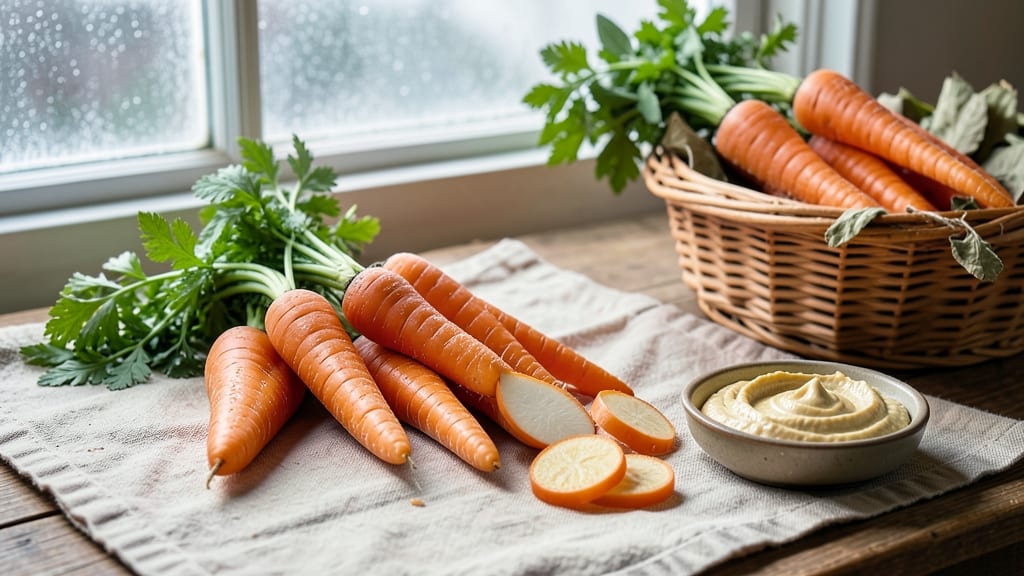
Winter’s chill transforms carrots into nature’s candy, intensifying their natural sweetness and making them one of January’s most rewarding garden harvests. The colder the soil, the sweeter the roots grow—ideal for roasting, blending into soups, or enjoying raw with hummus for a vitamin A-packed snack.
For gardeners, cold-hardy varieties like 'Danvers' or 'Nantes' thrive in winter soil (down to 20°F) and mature in 60-80 days. Plant them in loose, well-drained soil with 1-2 inches of mulch to protect tender tops while roots sweeten underground. Harvest before hard freezes by gently pulling or using a fork to loosen soil-clinging roots.
This makes carrots perfect for urban gardeners with raised beds or container growers—just ensure pots are deep enough (8+ inches) and well-drained. Their versatility and health benefits (eye health, immune support) make them a must-have for winter meals. 🌱
Creamy Cauliflower for Mash and Stir-Fries
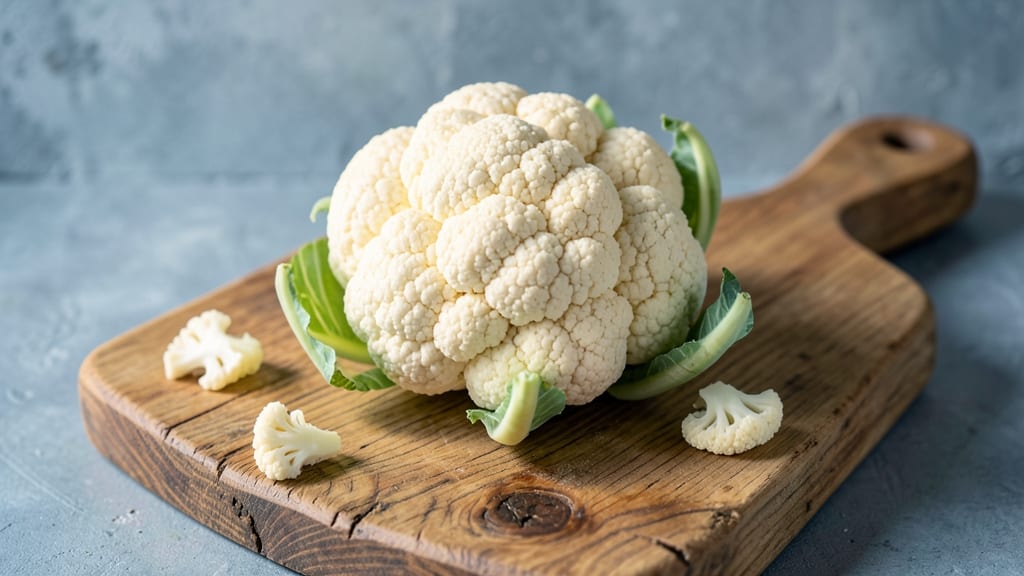
Looking for a winter vegetable that’s as adaptable as it is nutritious? Cauliflower thrives in cool weather and delivers a mild, creamy texture perfect for everything from mashed "potatoes" to flavorful stir-fries—all while packing a punch of vitamin C and fiber.
This versatile cruciferous veggie grows best in 45-75°F soil and matures in 50-80 days, making it ideal for late winter or early spring planting in mild climates. Opt for purple or orange varieties for a colorful twist, or stick with classic white for a neutral base. To keep it productive, harvest heads when firm and leave the plant—it often produces smaller side shoots afterward!
Gardeners on a budget will love cauliflower’s affordability and long shelf life, while those with dietary restrictions appreciate its low-calorie profile. 🌱
Hearty Beets for Roasting and Salads
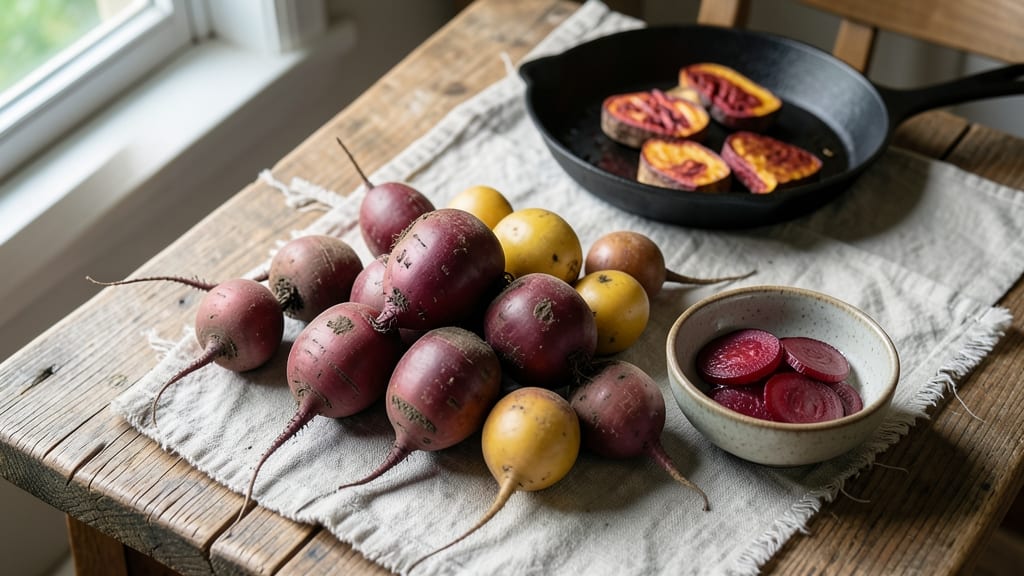
Looking for a winter vegetable that’s as nutritious as it is versatile? Beets thrive in cool weather and pack a punch with iron, folate, and natural sweetness that intensifies after frost. Their deep red hue also adds striking color to winter dishes, making them a standout in roasted trays, pickled jars, or even raw salads.
These hardy root vegetables grow well in containers or garden beds, preferring loose, well-draining soil with consistent moisture. Plant seeds in early spring or late summer for a fall harvest, and leave them in the ground until ready to use—they’ll actually sweeten further when exposed to cold. For variety, try Detroit Dark Red for classic flavor or Golden Beets for a milder, yellow-fleshed twist.
Urban gardeners and beginners will appreciate how easy beets are to grow and store—just harvest when roots reach 1-3 inches in diameter and keep them in a cool, dark place for weeks. Their adaptability makes them a perfect winter staple for both the garden and the table. 🌻
Mild Leeks for Soups and Stews
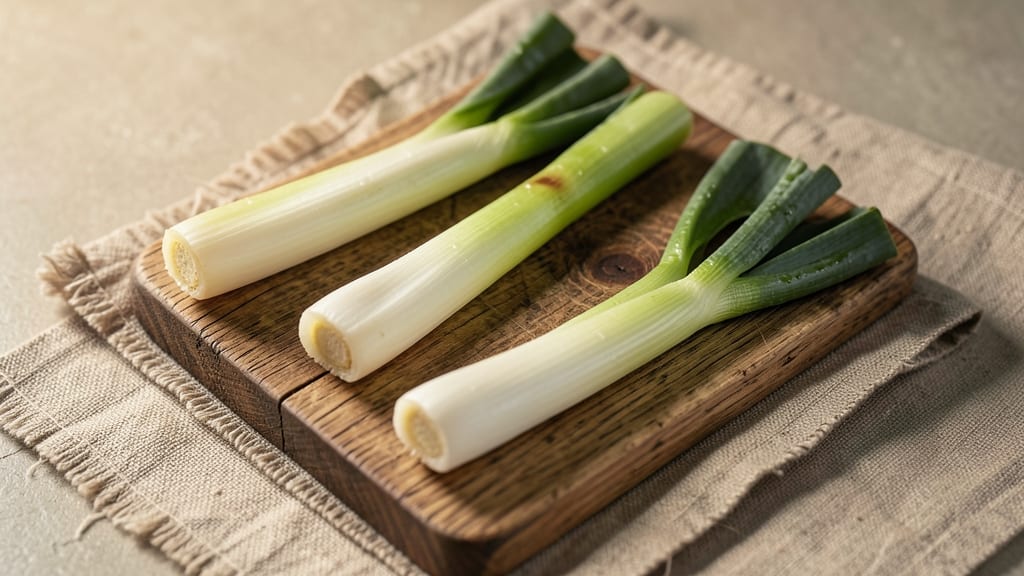
If you’re craving a mild onion flavor that elevates winter dishes without overpowering them, leeks are your secret weapon. Their tender, white-and-light-green stalks blend seamlessly into soups, stews, and gratins, offering a subtle sweetness that deepens as they cook.
Leeks thrive in cool-season gardens and can even be planted in late summer for a winter harvest. To grow them, space plants 6 inches apart in well-draining soil and keep them consistently moist. For gut health, their prebiotic fiber supports beneficial gut bacteria—perfect for boosting winter immunity. Plus, they store well in the fridge for up to two weeks.
Urban gardeners and beginners will love how forgiving leeks are—they tolerate light frosts and even grow well in containers. Swap them into your favorite winter recipes for a nutrient-rich, flavorful twist. 🌱
Crunchy Radishes for Quick Salad Toppers
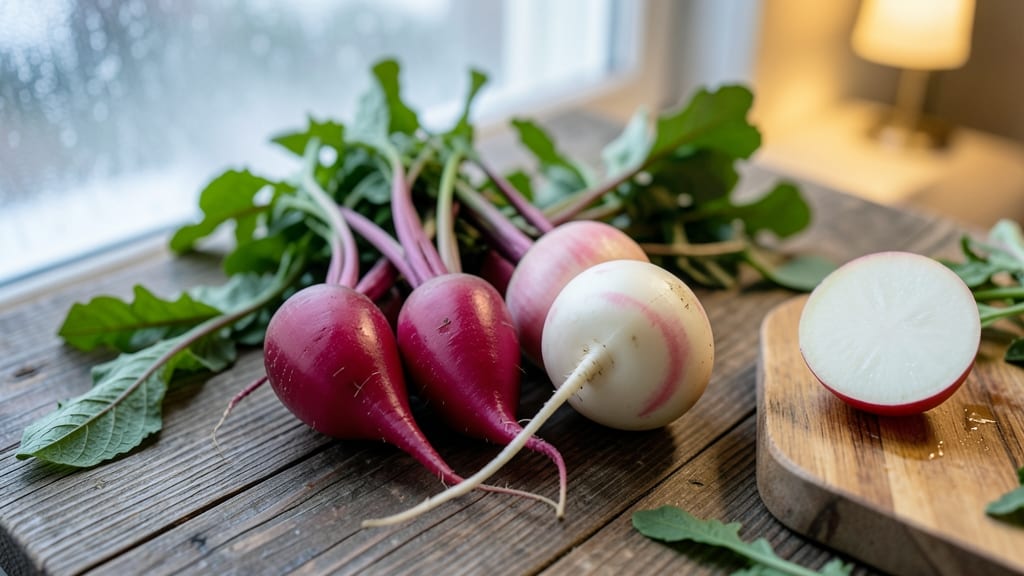
Looking for a quick-growing, bold-flavored vegetable to elevate your winter meals? Radishes are the perfect answer—they mature in as little as 25 days, making them one of the fastest crops for cold-season gardens or containers.
Choose from spicy French breakfast radishes (great raw) or milder varieties like Cherry Belle (ideal for pickling). Their detoxifying sulfur compounds support liver health, while their crisp texture adds freshness to sandwiches, salads, and even roasted dishes. For best results, sow seeds directly in cool soil (40–65°F) and thin seedlings to 1–2 inches apart to prevent overcrowding.
Urban gardeners and beginners will love how radishes thrive in small spaces—they’re perfect for balconies or windowsills. Plus, their vibrant colors make them a stunning edible garnish that brightens any plate. 🌱
Sweet Potatoes for Roasting and Baking
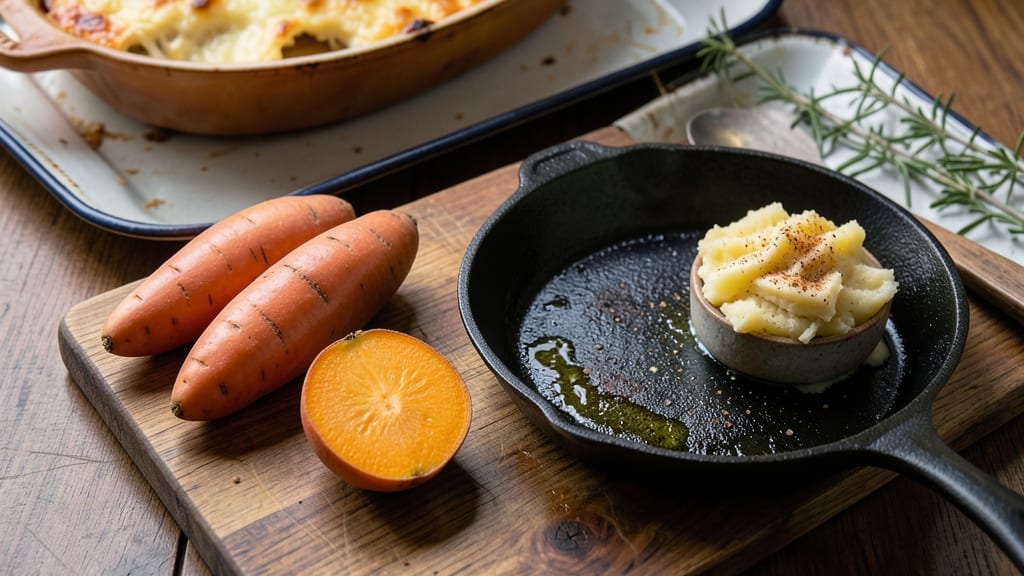
Looking for a winter vegetable that doubles as a cozy side dish and a nutritional powerhouse? Sweet potatoes deliver both with their naturally sweet flavor and beta-carotene punch—perfect for roasting, mashing, or even baking into casseroles.
These tubers thrive in cooler weather, making them ideal for late fall and winter harvests. Plant slips in well-drained soil after the last frost, and harvest when leaves yellow—typically 90-120 days after planting. Their high fiber and vitamin A content make them a standout for immune support and digestion.
Urban gardeners and small-space growers will love that sweet potatoes can even be grown in containers with proper care. Whether you’re baking them with cinnamon or roasting with olive oil, they’re a versatile, hearty addition to any January table. 🌻
Tender Celery Root for Creamy Soups
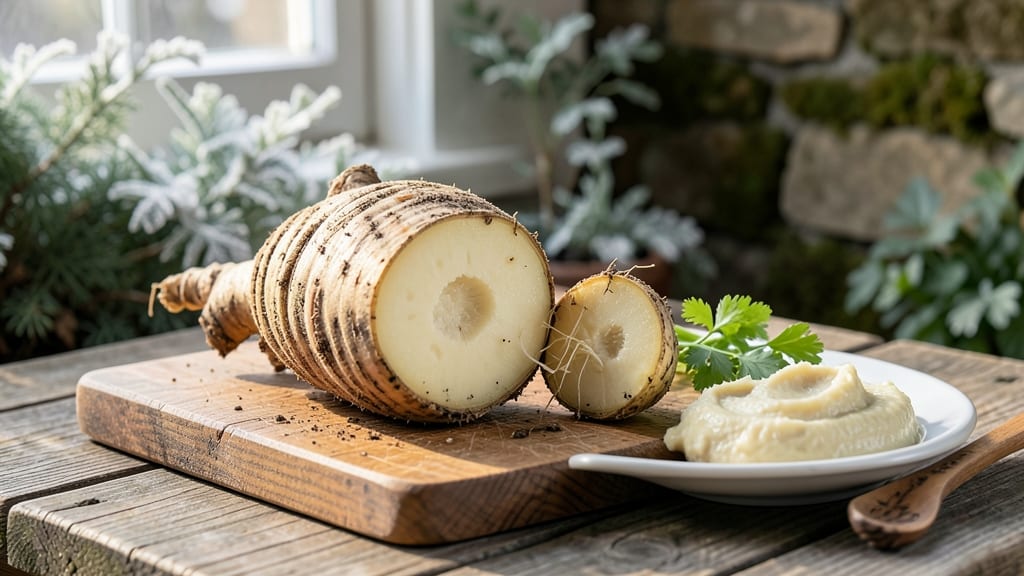
If you’re longing for creamy, comforting flavors in winter, celery root (celeriac) is your secret weapon. This knobby, celery-flavored tuber thrives in cool weather and delivers a velvety texture perfect for soups, mashed potatoes, or even roasted sides.
Grow it in well-drained soil with partial shade, as it prefers cooler climates and matures in about 120-150 days. Harvest before hard frosts to avoid woody texture—store in a dark, cool place for 2-3 months. Its mild, aromatic taste makes it a versatile staple for cooks and gardeners alike.
Perfect for urban gardeners with limited space or those seeking a low-maintenance winter crop, celeriac adds a luxurious touch to meals without the fuss of delicate greens. 🌱
Pungent Cabbage for Fermenting and Braising

Craving a vegetable that thrives in winter’s chill while packing a gut-friendly punch? Cabbage is your answer—this hardy plant stores beautifully and transforms into fermented sauerkraut or tender braised rolls, both brimming with probiotics and vitamin C.
For gardeners, cabbage is a winter workhorse: plant varieties like Greenbow or January King in early spring for a fall harvest, or choose cold-hardy types like Savoy cabbage for late-season crops. After harvesting, store whole heads in a cool, dark place for months—or ferment them for a probiotic boost that lasts all winter. Its versatility extends beyond the jar: shred for salads, braise for hearty meals, or stuff leaves for cabbage rolls.
This is the perfect crop for beginners or urban gardeners with limited space—it grows well in containers and repays your efforts with year-round flavor and nutrition. 💚