
Advice
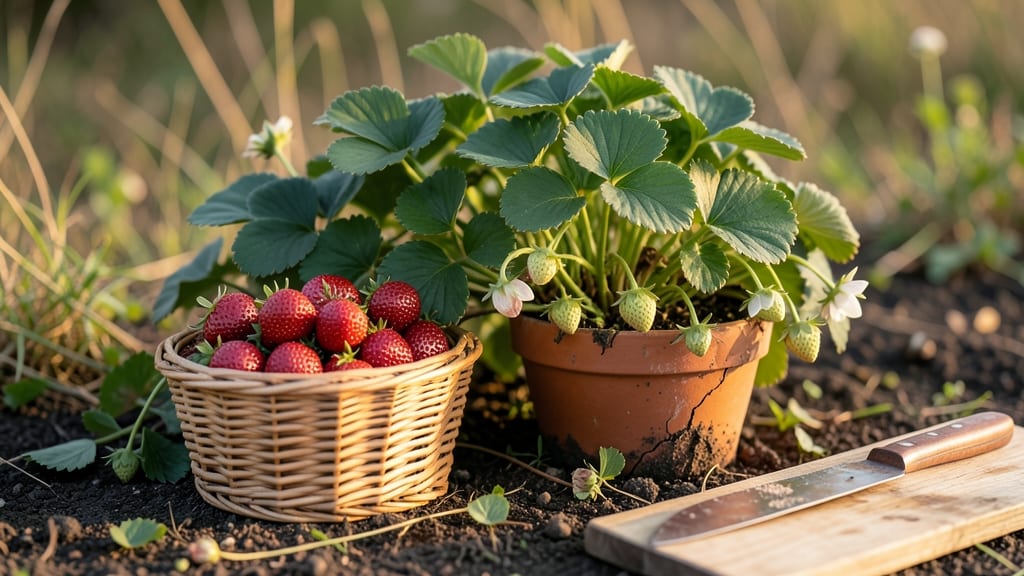
Is it strawberry season now, or are you still waiting for the first ripe berries to burst with summer’s sweet promise? jammy perfection and mealy disappointment. Whether you’re foraging in a U.S. farmers’ market or European fields, timing matters more than you’d expect.
Regional differences are huge: Southern gardeners harvest as early as February, while Northern growers wait until July. Tropical areas like Hawaii enjoy year-round picking, but even there, seasons peak in spring and fall.
The key? Watch for bright red color, a fragrant sweetness at the stem, and berries that yield slightly when gently squeezed—never hard or white.
You’ll know you’ve timed it right when the flavor bursts with just the right balance of sugar and tartness. Early-morning picking preserves that freshness, and harvesting every other day keeps plants productive. Overripe berries? Save them for smoothies before they spoil.
Pro tip: If you’re growing your own, mulch heavily in fall to extend next year’s season. And if you’re buying, ask vendors when their berries were picked—sometimes the difference is hours, not days. Happy harvesting!
📚 In This Guide
- What you need
- Instructions
- Tips and common mistakes
- Wrapping up and next steps
What you need
- ● Strawberry picking containers: Bring 2-3 reusable cloth or mesh bags (1-2 gallon capacity each) to avoid bruising. Avoid plastic—it traps heat and spoils berries faster!
- ● Hand sanitizer or wipes: A travel-sized bottle (or a pack of disinfecting wipes) to clean hands before and after picking.
- ● Comfortable clothing: Long sleeves/pants to protect from thorns and sun.
- ● Closed-toe shoes or sturdy boots (some farms have uneven terrain!).
- ● A wide-brimmed hat or cap for sun protection.
- ● Sunscreen (SPF 30+) and lip balm: Strawberry fields = lots of sun exposure! Bring a small tube (2 oz or less) for easy reapplication.
- ● Water bottle: At least 16 oz—hydration is key when you’re bending and reaching!
- ● Cash or card: Some farms are cash-only, so check ahead. Bring $20–$50 in small bills for purchases.
- ○ Gloves: Thin, breathable gardening gloves to protect hands from thorns (optional but highly recommended for sensitive skin!).
- ● Knee pads: If you’re planning to pick for hours, these save your joints!
- ● Small knife or pruners: For trimming stems if you’re super picky about presentation.
- ● Cooler bag: If you’re picking in bulk, a 10–15 quart insulated bag keeps berries fresh for the drive home.
- ● Camera or phone: Strawberry fields make amazing backdrops—don’t forget to snap some pics!
- ● Check the farm’s website or call ahead for: Picking hours (some farms close midday to avoid heat).
- ● Cost per pound (typically $2–$5/lb in season).
- ● Whether they require reservations (popular farms fill up fast!).
- ● Know the ripe vs. unripe difference—pick only fully red berries that pop off easily!
- ● Arrive early for the freshest, least crowded experience.
When to pick strawberries: your month-by-month guide
Strawberry season varies wildly across the country—here's how to time your picking perfectly.
🌱 Step 1: Identify Your Region's Peak Season
Strawberries ripen earliest in the South, with Florida and California producing as early as January, while northern states like Minnesota wait until June or July. The general rule: cooler climates = later harvests. Check your local USDA zone—zones 6-10 typically see peak season between April and October, while zones 1-5 focus on June through August.
Here's the quick breakdown: Southern states (Texas, Georgia) enjoy February-May; Mid-Atlantic (Maryland, Pennsylvania) peaks May-July; and Pacific Northwest (Oregon, Washington) stretches April-June. If you're unsure, call your nearest U-Pick farm—they track ripening cycles better than weather apps.
☀️ Step 2: Watch for These Ripening Signs
Color alone isn't enough—true ripeness means the berry turns a deep, even red all the way to the cap. Press gently: a ripe strawberry yields slightly under pressure. Unripe ones stay firm and white at the center. The cap should lift easily when ready (this is your best indicator).
Don't wait for perfect red if you see birds pecking at them—those berries are overripe. Instead, pick when 75% red and let them finish ripening indoors. The flavor improves dramatically at room temperature over 24-48 hours. I always check for sweetness by tasting one berry—if it's tart, wait another day.
🪴 Step 3: Time Your Picking by Planting Date
June-bearing varieties (most common) produce one massive crop about 6-8 weeks after last frost. Ever-bearing types give two smaller harvests—first in early summer, then again in fall. Day-neutral varieties (like 'Albion') keep producing throughout the growing season once temperatures stay above 50°F.
If you planted bare-root plants last fall, expect your first harvest this June. Container-grown plants often fruit 2-3 weeks earlier. Mark your calendar 4 weeks before expected ripening—that's when you'll need to check daily. I set phone reminders because strawberries ripen faster than you think.
⏰ Step 4: Plan Around Weather Patterns
Strawberries ripen fastest in warm days (70-85°F) with cool nights (55-65°F). Heatwaves above 90°F cause berries to split or turn mealy. If your area is forecasted for three straight days over 90°F, harvest every other day to prevent spoilage. Rainy weather slows ripening—wait until the plants dry out before picking.
Morning is always best for harvesting because berries stay cooler and firmer. Avoid picking after rain or late in the day when sugars convert to starch. If you must pick in heat, work in the shade and refrigerate immediately. I keep a small cooler in my truck during peak season—it saves more berries than you'd think.
✂️ Step 5: Handle Picked Berries for Maximum Freshness
Use clean scissors or pruners to snip stems—never pull berries off the plant, which damages the crown. Place them in a single layer in a container with paper towels to absorb moisture. Strawberries rot quickly when crowded. Refrigerate within 2 hours of picking, but don't wash until ready to eat (moisture speeds spoilage).
For long-term storage, freeze whole berries on a tray first—they won't stick together later. In the fridge, strawberries last 3-5 days when stored properly. I always leave a few unwashed at room temperature to ripen further—they develop deeper flavor. If you notice mold on any berry, toss the whole container immediately.
Tips & tricks for perfect strawberry picking timing
Here's what I've learned after years of picking strawberries—these tricks will help you get the sweetest, ripest berries every time.
Regional Timing Matters: If you're in USDA zones 1-5, focus on June through August for peak harvests. For zones 6-10, you can start as early as April in Southern states like Florida, but wait until May-July in Mid-Atlantic regions. I always double-check with local U-Pick farms—they adjust for microclimates that weather apps miss.
Ripeness Test: The 75% red rule is my secret weapon—pick when berries are 75% red and the cap lifts easily. Press gently: ripe berries yield slightly under pressure, while unripe ones stay firm. I taste-test one berry if I'm unsure—if it's tart, wait another day. The 24-48 hour room-temperature ripening trick works wonders for flavor development.
Weather Watch: Strawberries ripen fastest in 70-85°F days with 55-65°F nights. If your forecast shows three straight days over 90°F, harvest every other day to prevent splitting. Morning picking is best—berries stay cooler and firmer. I keep a small cooler in my car during heatwaves to preserve freshness after picking.
Planting Date Clues: June-bearing varieties (most common) produce their massive crop 6-8 weeks after last frost. Ever-bearing types give two harvests—first in early summer, then again in fall. Day-neutral varieties like 'Albion' keep producing once temperatures stay above 50°F. I mark my calendar 4 weeks before expected ripening and check daily after that.
Pro Tips for Is It Strawberry Season Now
- Here's what I've learned after years of picking strawberries—these tricks will help you get the sweetest, ripest berries every time.
- Regional Timing Matters: If you're in USDA zones 1-5, focus on June through August for peak harvests.
- Ripeness Test: The 75% red rule is my secret weapon—pick when berries are 75% red and the cap lifts easily.
Frequently asked questions
Got questions about strawberry season? You’re not alone—timing, location, and even ripeness can be tricky! Here are the answers to the most common queries to help you plan your strawberry adventures like a pro.
When is peak strawberry season in my area?
Strawberry season varies by region! In the U.S. South and West, it kicks off as early as January-February (Florida, California), while the Northeast and Midwest see peak season from late May to July. Check local farms or USDA maps for exact dates—weather plays a big role!
Can I pick strawberries year-round?
Not quite! Strawberries thrive in warm climates, so coastal and southern regions (like California or Florida) offer near-year-round picking. However, most areas have a 3-5 month window per year. If you’re outside peak season, try greenhouse-grown or imported berries—but they won’t match farm-fresh flavor!
How do I know if strawberries are ripe for picking?
Look for bright red color, firm but slightly soft berries, and a sweet aroma at the stem. Avoid white-tipped or mushy berries—they’re overripe. Pro tip: Shake the plant gently—ripe strawberries will jiggle slightly! If unsure, ask the farm staff—they’re happy to help.
Do I need to bring anything to pick strawberries?
Most farms provide buckets or containers, but bring your own gloves, scissors (for clusters), and a cooler if you’re hauling a big haul. Some charge $0.50–$2 per pound, while others let you pick pay-you-own. Always call ahead to confirm rules—some farms require reservations!
What if I can’t find fresh strawberries in season?
No worries! Try these alternatives:
- Frozen strawberries (flash-frozen at peak ripeness—just as nutritious!).
- Local farmers’ markets (often stock backup berries from nearby farms).
- Preserved strawberries (jams, syrups, or dried strawberries for snacks).
What should I do if the strawberries taste bland?
Bland flavor often means underripe or washed before picking. Try these fixes:
- Let them sit at room temp for 1–2 hours to sweeten.
- Pair with cream, sugar, or balsamic glaze to enhance flavor.
- Check for pesticide residue—rinse gently with water if needed.
Wrapping up and next steps
So, is it strawberry season now? The answer depends on where you are—and now you’ve got the scoop! Whether you’re dreaming of sun-ripened berries or planning your next picnic, timing is everything. 🍓 With this regional guide, you’re ready to pick, snack, or bake like a pro.
Ready to dive in? Check local farms or hit the grocery store for the juiciest finds, and enjoy every sweet bite! 🌟