
Container Gardens
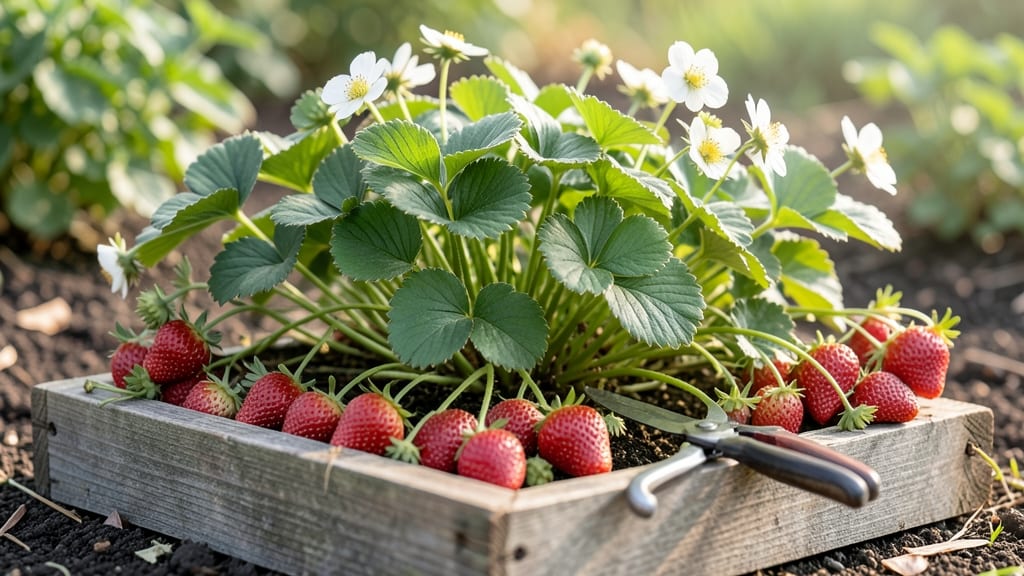
The strawberry growing season is all about timing—plant too early, and frost zaps your tender seedlings; too late, and you miss the sweet spot for a summer harvest 🍓.
Did you know strawberries can produce fruit year-round in the right climate—but timing your planting to your USDA zone is the secret to bountiful harvests?
Whether you're in Zone 6a or a warmer region, the key lies in knowing when to plant early, mid, or late-season varieties for maximum yield.
In this guide, you’ll discover the best planting windows, how to protect your berries from frost, and seasonal care tips to keep your strawberries thriving from March through July.
USDA zone strawberry planting calendar: when to plant for maximum yield
Timing your strawberry planting correctly is the difference between a handful of berries and a garden overflowing with sweet fruit. Strawberries thrive in USDA zones 3-10, but their ideal planting window shifts dramatically depending on your climate.
In cooler zones like 3-5, you'll want to plant early spring varieties to avoid late frosts, while warmer zones like 8-10 can enjoy year-round harvests with the right varieties.
Understanding your last frost date and first frost date is critical. Most gardeners aim to plant 4-6 weeks before the last frost, but everbearing varieties need extra care to produce fruit twice in one season.
Let's break down the best planting times for each zone, including frost-sensitive varieties and first-fruit timing estimates.
📌 Pro Tip: Use row covers or cold frames in zones 3-6 to extend your growing season and protect young plants from unexpected frosts.
| USDA Zone | Best Planting Window | Early Varieties | Mid Varieties | Late Varieties | First Fruit Estimate |
|---|---|---|---|---|---|
| 3-4 | Late April - Early May | Honeoye, Jewel | Chandler | Seascape | Late June - Early July |
| 5-6 | March - Early April | Albion, Sparkle | Jolene | Ozark Beauty | Early June - Mid-July |
| 7-8 | September - October | Camarosa | Seascape | Albion | December - February |
| 9-10 | Year-round (best in fall/winter) | San Andreas | Portola | Tristar | Continuous harvest |
In zones 3-4, where frosts linger into May, focus on June-bearing varieties like Honeoye and Jewel. These varieties produce a single massive crop in late summer, but they need a long, cool growing season to set fruit.
Plant them in late April or early May to ensure they're established before summer heat arrives.
For zones 5-6, you can start planting as early as March, giving your strawberries a head start. Early varieties like Albion and Sparkle thrive in these regions and produce fruit by early June.
If you're aiming for a continuous harvest, mix in everbearing varieties like Seascape, which produce fruit in early summer and again in fall.
Warmer zones 7-8 offer a unique advantage: you can plant strawberries in fall or winter to avoid summer heat stress. Varieties like Camarosa and Albion perform exceptionally well when planted in September or October.
These plants will produce fruit by December or January, giving you an early harvest before the heat of summer arrives.
In the warmest zones (9-10), strawberries can fruit year-round with the right care. Plant everbearing or day-neutral varieties like San Andreas or Portola in fall or winter for continuous production.
These varieties thrive in mild winters and produce fruit every 6-8 weeks, making them perfect for gardeners who want fresh strawberries all year.
Always consider your soil temperature when planting. Strawberries need soil that's at least 45°F (7°C) to germinate properly. Use a soil thermometer to check before planting, especially in cooler zones where the ground may still be chilly.
Adding a thick layer of mulch after planting helps regulate soil temperature and retain moisture.
Remember, frost-sensitive varieties
How to extend your strawberry growing season in any climate
Strawberries thrive when you align their growth cycle with your local climate—but what if you want to enjoy fresh berries year-round? The key lies in strategic planning tailored to your USDA zone.
In warmer regions, everbearing varieties like 'Seascape' or 'Chandler' produce fruit in both spring and fall, while cooler climates benefit from protective row covers or cold frames to shield plants from frost. Even a simple winter mulch can make all the difference in preserving your plants through harsh temperatures.
For gardeners in USDA zones 7-10, the secret to extending the season is choosing the right strawberry varieties. Everbearing types like 'Albion' or 'Fort Laramie' produce fruit in two harvests per year, while day-neutral varieties like 'Tristar' keep fruiting continuously if given ideal conditions.
Meanwhile, gardeners in zones 3-6 can use season extenders like low tunnels or hoop houses to create microclimates that protect tender plants from late spring frosts and early fall chills.
- 1. Choose everbearing varieties for zones 7-10 to harvest twice yearly.
- 2. Use row covers in spring/fall to protect from light frosts (down to 28°F).
- 3. Install cold frames for winter harvests in zones 5-6 (extend season by 4-6 weeks).
- 4. Apply thick mulch (straw or leaves) in fall to insulate roots during winter.
- 5. Plant in containers for mobility—move pots indoors or to greenhouses in winter.
In warmer climates (zones 8-10), the challenge isn’t frost but heat stress and pest pressure. To combat this, I recommend planting shade cloth during peak summer months (80% shade) to protect berries from sunscald. Additionally, drip irrigation keeps roots cool while delivering water directly to the soil.
For cooler zones (3-6), focus on early spring planting (March-April) and use black plastic mulch to warm the soil faster. This jumpstarts growth and gives you a head start on the season.
Don’t overlook the power of succession planting! By staggering plantings every 2-3 weeks in spring, you’ll create a continuous harvest window that lasts 2-3 months. For example, in zone 5, plant your first batch in late April, then follow up with two more batches in May.
This ensures you’re always picking ripe berries while younger plants mature. Pair this with seasonal pruning—remove old leaves in early spring to encourage new growth and improve airflow, reducing disease risk.
For gardeners in transition zones (6-7), a hybrid approach works best. Use row covers in early spring to protect from late frosts, then remove them once temperatures stabilize. In late summer, reapply covers to shield plants from early fall chills.
Another trick? Plant June-bearing varieties in containers near a south-facing wall. The wall absorbs heat during the day and radiates it back at night, creating a warmer microclimate that extends the growing season by 2-3 weeks.
Finally, never underestimate the impact of soil preparation. Strawberries need well-draining, slightly acidic soil (pH 5.5-6.8). Before planting, amend your soil with compost and peat moss to improve fertility and moisture retention.
In container gardens, use a mix of potting soil, perlite, and coconut coir to prevent waterlogging. With these strategies, you can enjoy homegrown strawberries from early spring to late fall, no matter where you live! 🍓