
Companion Plants
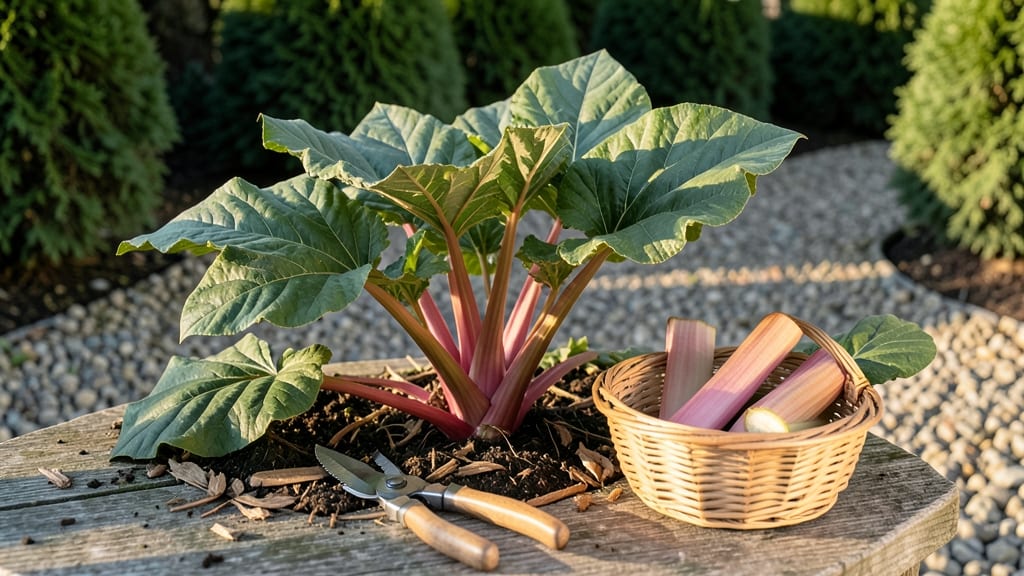
Rhubarb is in season now in most regions from late spring through early summer, typically peaking between April and June in the Northern Hemisphere, though exact timing varies by climate and growing zone.
Right now, rhubarb's vibrant season is unfolding across much of the Northern Hemisphere, where cooler climates actually help it thrive. 🌱 The plant's unique cold-hardiness means it often emerges earlier than many other spring crops, giving you a head start on fresh harvests.
What sets rhubarb apart is its preference for frost—light freezes can actually sweeten the stalks, while warm spells accelerate growth. If you're in the Pacific Northwest or New England, you're likely seeing peak harvests now, while Southern gardeners might wait until late May or June when temperatures stabilize.
To make the most of this season, look for stalks that are firm to the touch with a crisp snap when broken—this indicates perfect ripeness. The color should be deep red or green (depending on variety) without any woody texture, which signals overmaturity.
I always harvest in the morning when the stalks are crispest, cutting just above the soil line to encourage regrowth. This simple check ensures you get the sweetest, most tender rhubarb for pies, compotes, or even savory dishes.
💡 In This Article
- Rhubarb Harvest Season by USDA Growing Zones
- How to Check Rhubarb Ripeness Before Picking
Rhubarb harvest season by USDA growing zones
Rhubarb's seasonal growth is all about timing with temperature shifts. This cold-hardy perennial thrives when soil temperatures hover around 40-50°F, which typically occurs in late winter or early spring.
What's fascinating is how frost plays a role—light freezes can actually convert starches in the stalks into sugars, making them sweeter. However, prolonged freezing (below 20°F) damages the plant, so timing is everything. 🌟
In USDA Zones 3-7 (which covers much of the Northern U.S. and Canada), rhubarb season peaks between late April and early June. For example, in Zone 4 (think Minnesota or upstate New York), harvests often begin in early May when daytime temperatures reach 55-60°F.
Meanwhile, Zones 8-10 (Southern California, Florida) experience their peak harvest 2-4 weeks later, typically May through July, as they need warmer soil to break dormancy. The key difference is that Southern regions avoid the early spring frosts that Northern areas rely on for sweetening.
Here's what's happening scientifically: Rhubarb's growth cycle is triggered by chilling hours (300-500 hours below 45°F) during winter, which signals the plant to emerge. Once active, it grows rapidly in cooler weather (ideal between 50-70°F), but stalks become fibrous if temperatures exceed 75°F.
This is why Northern climates often produce sweeter, more tender rhubarb—the cooler growing conditions prevent the stalks from becoming woody. 🔥
For gardeners, this means if you're in Zone 5 (like Chicago), you'll get 6-8 weeks of prime harvests, while Zone 9 (Arizona) might only have 3-4 weeks before heat stress sets in.
The plant's ability to regrow after harvest (up to 30% of stalks can be removed without harm) makes it uniquely adaptable across zones, but the flavor profile differs dramatically based on these temperature patterns.
Consider these zone-specific harvest windows:
- Zones 3-5: Peak harvest mid-April to late May (e.g., Vermont, Michigan)
- Zones 6-7: Peak harvest late April to early June (e.g., Colorado, Virginia)
- Zones 8-10: Peak harvest May to July (e.g., Texas, Southern California)
The earlier harvests in Northern zones also mean you'll find fresher rhubarb at farmers' markets, while Southern growers often rely on forced cultivation (using tunnels) to extend their season. This regional variation explains why rhubarb prices can fluctuate so dramatically—supply is highly localized and seasonal. ✨