
Planting
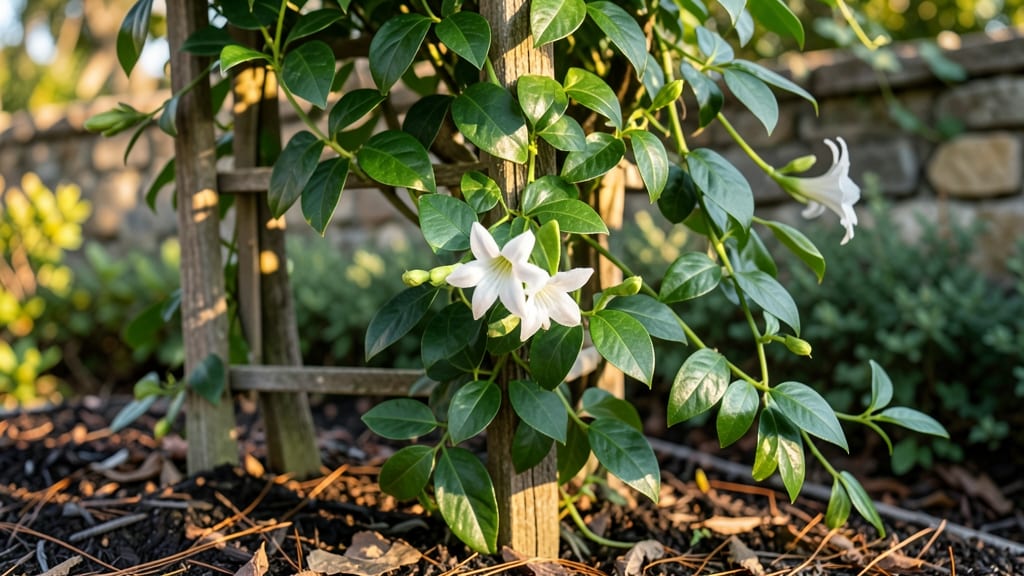
Jasmine for Zone 5 thrives with cold-hardy varieties like Winter Jasmine (Jasminum nudiflorum) or Carolina Jasmine (Gelsemium sempervirens), which survive down to -20°F. Plant them in early spring after frost for strong root growth and expect blooms in late spring or fall, depending on the type.
Winter Jasmine stands out for its bright yellow flowers that appear before leaves in early spring, making it a standout early bloomer. 🌸 Carolina Jasmine, on the other hand, offers year-round greenery with fragrant white flowers in late spring or summer—perfect if you want continuous interest.
Both varieties handle Zone 5 winters well, but mulching with 2-3 inches of organic material helps protect roots during harsh freezes. I always recommend planting these near trellises or fences to encourage climbing growth and maximize their fragrant blooms.
For best results, avoid planting too late in the season—late spring plantings may not establish roots before winter. Instead, focus on early spring when soil temperatures rise above 50°F. This timing gives plants enough time to grow before the first frost, ensuring they're strong enough to survive winter dormancy.
💡 In This Article
- Top Cold-Resistant Jasmine Varieties for Zone 5 Gardens
- Zone 5 Jasmine Planting and Care Calendar
Top cold-resistant Jasmine varieties for Zone 5 gardens
Zone 5 gardeners have three standout jasmine options that push cold tolerance to its limits. Winter Jasmine (Jasminum nudiflorum) leads the pack with its striking yellow blooms that appear 4-6 weeks before leaves emerge, often as early as February in milder Zone 5 areas.
Its hardiness extends to -20°F, making it one of the most resilient choices. The flowers may lack the intense fragrance of other jasmines, but their vibrant color and early bloom time make them a garden showstopper.
Carolina Jasmine (Gelsemium sempervirens) offers a different advantage—evergreen foliage and highly fragrant white flowers that bloom from late spring through summer. This semi-evergreen variety handles -10°F well, though heavy mulching can extend its cold tolerance closer to -15°F.
What sets it apart is its ability to climb aggressively, reaching heights of 15-20 feet when trained on trellises or fences. The trade-off? It's slightly less cold-hardy than Winter Jasmine but provides year-round structure and fragrance.
Star Jasmine (Trachelospermum jasminoides) is another excellent option for Zone 5, though it prefers slightly milder winters (-10°F). Its small, star-shaped white flowers bloom profusely in late spring and summer, filling the air with a sweet, intoxicating scent.
Unlike the other two, Star Jasmine grows as a shrub or ground cover, reaching 3-6 feet tall.
This makes it ideal for borders or container gardening in colder microclimates. 🌿 The key to its survival in Zone 5 is choosing cultivars like 'Confetti' or 'Summer Snow,' which have shown better cold tolerance in trials.
When selecting varieties, consider your garden's specific microclimate. Northern exposures or low-lying areas may require extra winter protection, while southern exposures can support more tender varieties. Winter Jasmine thrives in full sun to partial shade, while Carolina Jasmine prefers partial shade to protect its delicate blooms from harsh afternoon sun.
Star Jasmine adapts well to both but blooms most prolifically in full sun.
Each variety has unique growth habits that influence planting decisions. Winter Jasmine spreads via underground runners, creating dense hedges, while Carolina Jasmine climbs aggressively using twining stems. Star Jasmine grows in a more compact bush form.
Understanding these differences helps you choose the right placement—whether you want a fragrant ground cover, a climbing accent, or a fragrant hedge. The right variety can transform your garden's seasonal interest from winter through summer.
For fragrance lovers, Carolina Jasmine wins with its intoxicating scent, while Winter Jasmine offers early color when most gardens are still dormant. Star Jasmine provides a balance of both with its prolific blooms and manageable size.
The choice ultimately depends on whether you prioritize winter hardiness, fragrance intensity, or year-round interest. 🌸