
Flowers
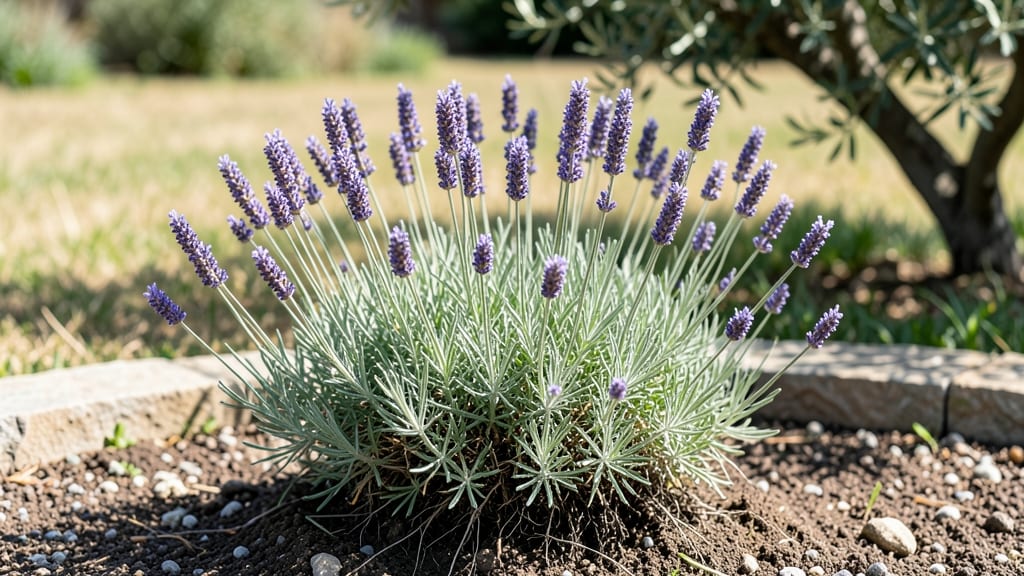
July flowers in season transform your garden into a fragrant, sun-drenched escape. 🌸 The moment I see my clematis vines burst into bloom, I know summer has truly arrived—velvety petals that perfume the air and climb every trellis in sight.
These climbers thrive with minimal fuss: plant them in spring for a June-July show, then enjoy blooms through early fall. Pair them with roses or lavender for a cottage-garden dream, or let them scramble over fences for a wild, romantic look.
The key is keeping the soil moist but not soggy—once established, they’re nearly indestructible. You’ll end up with a garden that smells like a provincial garden in France, all while attracting hummingbirds and bees. The best part?
Many varieties rebloom if you deadhead spent flowers—just snip them back to the next set of leaves, and watch the magic continue. Works across climates: in cooler regions, choose early-blooming varieties like Clematis montana; in heat zones, opt for Clematis viticella or Clematis armandii.
Even small spaces can host these stars with the right support structure.
📚 In This Guide
- What you need
- Instructions
- Tips and common mistakes
- Wrapping up and next steps
What you need
- ● July-blooming climbers: Clematis (e.g., 'Jackmanii,' 'Nelly Moser') – 1-3 mature plants (depending on space)
- ● Honeysuckle (Lonicera spp.) – 2-4 vines (for sprawling beauty)
- ● Jasmine (Jasminum officinale or 'Star Jasmine') – 1-2 plants (for strong fragrance)
- ● Passionflower (Passiflora incarnata) – 1-2 vines (for tropical flair)
- ● Support structures: Trellis, arbor, or pergola (6-10 ft tall, depending on vine growth)
- ● Stakes or obelisks (for smaller climbers like sweet peas)
- ● Soil & amendments: Well-draining potting mix or garden soil (enrich with compost)
- ● Slow-release fertilizer (10-10-10 or organic options like bone meal)
- ● Mulch (2-3 inches of shredded bark or straw)
- ● Pruning shears (for shaping and deadheading)
- ● Floral wire or twine (to secure vines to trellises)
- ● Fragrance-free hand lotion (for handling jasmine or honeysuckle without irritation)
- ● Decorative containers (for potted climbers like sweet peas or morning glories)
- ● Fragrance-free candles or diffusers (to complement your floral displays indoors)
- ● A sunny or partially shaded spot (6+ hours of sunlight for most climbers)
- ● Access to water (climbers need consistent moisture, especially in July heat)
- ● Patience! Some vines (like clematis) take 1-2 seasons to fully establish.
How to select and care for July-blooming fragrant climbers
Here’s how to choose and nurture fragrant vines that thrive in summer’s heat and keep your garden smelling like a secret garden all season.
🌿 Step 1: Choose the Right Climbers for July Blooms
July’s heat calls for vines that love sun and humidity, like jasmine, clematis, or star jasmine. These thrive in full sun to partial shade and produce intoxicating fragrance when temperatures hit 75-85°F. I always opt for evergreen varieties—they keep blooming even when summer fades into fall.
Check the USDA hardiness zone for your area—most fragrant climbers need zones 7-10. If you’re in a cooler zone, pick heat-tolerant varieties like **star jasmine (Trachelospermum jasminoides), which blooms prolifically in July and August. Avoid wilt-prone varieties like morning glory unless you’re in a humid climate.
☀️ Step 2: Plant in Well-Draining, Nutrient-Rich Soil
Dig a hole twice as wide as the root ball but only as deep as the container it came in. Fragrant climbers hate soggy roots, so mix 20% perlite or sand into the native soil to improve drainage. I always add 3 inches of compost to the hole—this ensures steady nutrients for continuous blooming.
Place the vine so the top of the root ball sits level with the soil surface. Press gently around the edges to eliminate air pockets. If planting near a trellis, position it 6-12 inches away—climbers need space to establish roots before they climb. Water deeply right after planting to settle the soil and encourage root spread.
💧 Step 3: Water Deeply and Mulch to Retain Moisture
July’s heat means deep watering every 2-3 days—check soil moisture by sticking your finger 2 inches down. If it feels dry, water until moisture reaches 6 inches deep. Overhead watering can cause fungal issues, so use a soaker hose or drip irrigation to keep foliage dry.
Spread 3 inches of mulch (like shredded bark or pine needles) around the base, keeping it 2 inches away from the stem. Mulch locks in moisture and keeps roots cool. I always reapply mulch after heavy rains—it washes away faster than you’d think, and fragrant climbers wilt quickly without it.
✂️ Step 4: Prune for Longer Blooms and Better Fragrance
Deadhead spent blooms weekly to encourage more flowers—this is non-negotiable for continuous fragrance. Use clean, sharp pruners and cut just above a leaf node where new growth can sprout. For jasmine, trim back leggy stems after flowering to keep the plant compact and bushy.
If your vine grows too aggressively, prune one-third of the oldest stems in early July to stimulate new growth. This also improves airflow, reducing the risk of mildew. I prune on a dry morning—wet plants are more susceptible to infections when you cut them.
🌱 Step 5: Fertilize for Continuous Blooms and Fragrance
Feed with a balanced, slow-release fertilizer (10-10-10) every 6-8 weeks starting in early June. Fragrant climbers need steady nutrients to produce those heady blooms. I also use fish emulsion mid-July for a phosphorus boost—this encourages stronger root systems and more flowers.
Avoid high-nitrogen fertilizers—they’ll give you lush foliage but few blooms. Look for labels that say "bloom booster" or "summer fertilizer". Water the soil well 24 hours before and after fertilizing to prevent root burn. You’ll know it’s working when you see new buds forming every 2-3 weeks**.
Tips & tricks for perfect July-blooming fragrant climbers
Here's what nobody tells you about keeping your fragrant climbers thriving through July's relentless heat.
Heat Tolerance Tip: The 75-85°F temperature range mentioned in Step 1 is your sweet spot for fragrance production. If your area hits 90°F+, provide afternoon shade for delicate varieties like clematis. I've seen star jasmine handle heat best—its waxy leaves reflect sunlight naturally. For extra protection, install a shade cloth (30-50%) during peak afternoon sun, especially in zones 7-10 where heat stress is common.
Soil Preparation Secret: That 20% perlite mix in Step 2 is non-negotiable for preventing root rot. I take it further by adding a handful of worm castings to the compost—this introduces beneficial microbes that help roots absorb nutrients more efficiently. The key is creating that perfect air-to-moisture ratio: soil should feel like a damp sponge, not a soggy washcloth. Test your drainage by filling the hole with water and seeing how long it takes to drain completely.
Watering Wisdom: The 2-3 day watering schedule in Step 3 works wonders, but timing matters more than you'd think. Water in early morning when temperatures are cooler—this gives roots time to absorb moisture before the heat kicks in. I've found that watering at 6 AM prevents fungal spores from settling on leaves overnight. For container-grown climbers, check soil moisture every 2 inches—potted plants dry out faster than in-ground ones.
Pruning Precision: When you're deadheading weekly in Step 4, look for those tiny buds just starting to form—they're your next wave of blooms. I use a pair of clean pruners and make cuts at a 45-degree angle just above a leaf node. This technique encourages new growth while preventing disease. For aggressive growers, that one-third pruning in early July should be done on a dry morning—wet stems are more susceptible to infections when you cut them.
Pro Tips for July Flowers In Season
- Here's what nobody tells you about keeping your fragrant climbers thriving through July's relentless heat.
- Heat Tolerance Tip: The 75-85°F temperature range mentioned in Step 1 is your sweet spot for fragrance production.
- Soil Preparation Secret: That 20% perlite mix in Step 2 is non-negotiable for preventing root rot.
Frequently asked questions
Got questions about July’s most stunning seasonal blooms? You’re not alone!
Here are answers to the most common queries about fragrant climbers and summer flowers—from timing to care tips—so you can enjoy a garden (or bouquet) that smells as good as it looks.
What are the best fragrant climbers to plant in July for long-lasting summer blooms?
For heavenly scents that last all summer, prioritize jasmine (Trachelospermum jasminoides), clematis (Clematis spp.), and star jasmine (Trachelospermum asiaticum). These thrive in warm July soils and reward you with intoxicating aromas from late spring through fall. Plant them in well-draining soil with morning sun and afternoon shade for best results.
Can I still plant flowers in July, or is it too late?
Not at all! July is perfect for heat-tolerant climbers like passionflower (Passiflora) or morning glory (Ipomoea), which germinate quickly in warm soil. Avoid delicate perennials (e.g., wisteria), but annuals and vines planted now will bloom until frost. Just water deeply after planting and mulch to retain moisture.
How often should I water July-blooming climbers, especially in heatwaves?
Deep watering 2–3 times per week is ideal during July’s heat, but check soil moisture first—stick your finger 2 inches down. Climbers like honeysuckle (Lonicera) or cobaea (Cobaea scandens) wilt fast in drought. Early morning or evening watering prevents leaf scorch. Mulch with straw or bark to lock in moisture.
Why aren’t my July-planted flowers blooming yet?
Patience! Some climbers (like glory vine) take 6–8 weeks to show color after planting. Others may need phosphorus-rich fertilizer (like 5-10-10) to encourage blooms. Check for overwatering (root rot stalls growth) or poor sunlight—most fragrant climbers crave 6+ hours of sun daily.
Are there fragrant July flowers that thrive in containers or small spaces?
Opt for compact varieties like dwarf jasmine (Jasminum officinale ‘Revolutum’) or miniature clematis (e.g., ‘Jackmanii’). Use large pots (15+ gallons) with trellises, and choose self-watering containers for drought-prone areas. Sweet peas (Lathyrus odoratus) also bloom in July and trail beautifully in hanging baskets!
Do July flowers attract pollinators, and how can I boost their visits?
Many July climbers—like honeysuckle and wisteria—are bee and butterfly magnets! To lure more pollinators, plant native companion flowers (e.g., coneflowers or milkweed) nearby. Avoid pesticides, and add a shallow water source (like a saucer with pebbles) to keep them sipping all summer.
Wrapping up and next steps
July is the perfect time to embrace the romance and vibrancy of seasonal blooms—whether you're a gardener, a floral enthusiast, or simply someone who loves adding life to their space. From fragrant honeysuckle to bold clematis, these flowers don’t just brighten your garden; they create lasting memories.
Now that you know which climbers thrive this month and how to care for them, why not take the next step?
- 🌱 Plant one today! Even a single vine can transform a dull corner into a lush, aromatic haven.
- 📸 Share your blooms—tag us or a fellow gardener to inspire others to grow their own July garden oasis.
- 💡 Experiment! Try pairing climbers with complementary perennials for a showstopping display.
Your garden (or balcony!) deserves a little July magic—go ahead and make it happen! 🌸