
Fertilization
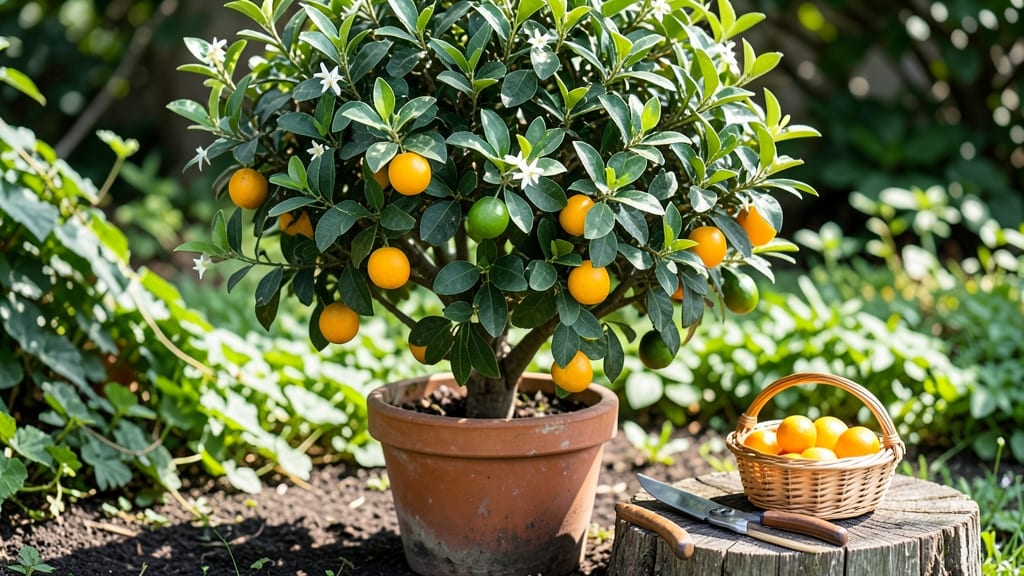
Kumquat fruit season arrives when those tiny, sweet-tart orbs turn from green to golden—usually between late fall and early winter in most growing zones. 🌿 I learned the hard way that waiting for full color isn’t just about looks; it’s when the flavor peaks, and the skin softens just enough to make them irresistible to eat whole.
My first harvest had me picking too early, and those fruits were bitter—now I mark my calendar for when the fruit turns a deep amber hue near my home in Zone 8.
The exact timing depends on your climate: Mediterranean growers might harvest as early as October, while subtropical gardeners could stretch it into January. Variety matters too—Meiwa kumquats (the sweet ones) ripen slightly later than Nagami (the tart, skin-only types).
Pay attention to your tree’s natural rhythm: once the fruit releases easily from the branch with a gentle twist, that’s your cue. You’ll know they’re ready when the scent shifts from herbal to citrusy—like a burst of sunshine in a winter morning.
The skin should give slightly when pressed, and the flesh inside will be firm but yielding. Picking at this stage means the best flavor for fresh eating, and the fruit stores well for weeks in the fridge if you don’t want to enjoy them all at once.
For gardeners in cooler climates, consider container-growing varieties like ‘Centennial’—they ripen faster and can be brought indoors before frost. The key is consistency: water deeply but let the soil dry slightly between waterings as the fruit matures, and avoid heavy fertilizing once flowers appear.
That’s how you turn a good harvest into a great one.
📚 In This Guide
- What you need
- Instructions
- Tips and common mistakes
- Wrapping up and next steps
What you need
- ● Kumquat Trees: 1-3 dwarf or standard-sized trees (e.g., Fortunella margarita or Fortunella crassifolia). Choose disease-resistant varieties for best results.
- ● Well-Draining Soil: 5-10 gallons of a mix of potting soil (60%), perlite (20%), and compost (20%). Kumquats hate soggy roots!
- ● Containers (if potted): 1-2 large pots (15-20 gallons) with drainage holes. Terracotta pots work great for airflow.
- ● Fertilizer: Balanced citrus fertilizer (e.g., 6-6-6 or 8-3-9 NPK ratio). Use 1 tbsp per gallon of soil every 4-6 weeks during growing season.
- ○ Optional: Organic options like fish emulsion or worm castings (follow package instructions).
- ● Pruning Tools: 1 pair of sharp bypass pruners (sterilized with rubbing alcohol).
- ● 1 pair of gloves (to protect from thorns).
- ● Harvesting Gear: Small harvesting basket or bowl (to avoid bruising fruit).
- ● Sharp knife or scissors (for clean cuts).
- ● Storage Containers: 1-2 airtight containers (e.g., glass jars or plastic bins with ventilation holes).
- ○ Optional: Silica gel packets (to absorb moisture and extend shelf life).
- ● Refrigeration: Access to a fridge (kumquats last 2-4 weeks when stored at 32–40°F).
- ○ Preservation (Optional): Sugar (for candying: 1 cup per 1 lb of kumquats).
- ● Citric acid or lemon juice (to prevent browning when slicing).
- ● Mason jars (for jams or syrups).
- ● Climate: Kumquats thrive in USDA zones 8-11. If you’re in a cooler zone, grow them in containers and bring them indoors in winter.
- ● Sunlight: 6-8 hours of direct sunlight daily (south-facing window or outdoor spot).
- ● Watering: Keep soil consistently moist but not waterlogged. Drought stress reduces fruit quality!
- ● Patience: Kumquat trees take 2-3 years to bear fruit. Plan ahead for the kumquat fruit season (typically fall to early winter).
Instructions for harvesting and storing kumquats at peak flavor
Here's how to identify the perfect kumquat and preserve its vibrant citrus flavor for weeks.
🍊 Step 1: Identify Ripe Kumquats by Color and Texture
Kumquats are ready when their skin turns a deep, golden orange—think of a tiny, round tangerine. Gently squeeze the fruit; it should yield slightly but not feel mushy. I always check for a slight give, like a ripe peach, because firmness means they need more time on the tree.
Look for fruits that have fully separated from the tree—twist gently until you hear a soft pop. If the stem stays attached, it's not quite ready. Harvest in the morning when temperatures are coolest; this preserves their sweet-tart balance and prevents wilting.
🌿 Step 2: Handle and Store Fresh Kumquats Properly
Rinse kumquats briefly under cool water to remove any debris, but don't soak them—they absorb moisture like sponges. Pat completely dry with a paper towel, then leave them at room temperature for 1-2 days in a single layer. This lets their natural sugars develop fully before storage.
Once dried, store kumquats in a paper bag (not plastic) in the refrigerator. The bag traps just enough ethylene gas to keep them firm while allowing airflow to prevent mold. Check weekly and remove any that soften—those are ready to eat first.
⏰ Step 3: Extend Shelf Life with Simple Preservation
For kumquats you won't use within 2-3 weeks, try this: Wash, dry, and place them in a single layer on a baking sheet. Freeze for 2 hours, then transfer to an airtight container. Frozen kumquats keep their flavor for up to 6 months—perfect for winter baking or marmalade.
I also make kumquat syrup by simmering peeled fruits with equal parts sugar and water for 15 minutes. Strain, bottle, and refrigerate. This sweet-tart syrup adds zing to cocktails or glazes for 3 months without losing its bright citrus punch.
🌱 Step 4: Revive Wilted Kumquats Before They Spoil
If kumquats lose their snap but still feel firm, place them in a paper bag with an apple overnight. The apple's ethylene gas triggers a final burst of ripening. Check in the morning—they'll often perk up enough to use within 24 hours.
For kumquats that soften too much, peel and use them immediately in recipes like curries or salads. The flesh stays flavorful even when the skin loses its crispness. Don't toss them—just get creative with how you enjoy their unique sweet-and-tart profile.
Tips & tricks for perfect kumquat harvesting and storage
These little citrus gems pack big flavor when handled just right—here's how to get the most out of your kumquat season.
Harvesting Timing: Morning is the absolute best time to harvest kumquats because cooler temperatures preserve their sweet-tart balance. I've found that harvesting at dawn means the fruits have had all night to absorb sunlight, intensifying their natural sugars. The slight give when squeezed—like a ripe peach—is the perfect indicator they're ready to pick. If you're harvesting multiple times, focus on the largest fruits first since they tend to ripen slightly earlier than smaller ones.
Storage Hack: The paper bag trick in Step 2 works wonders for maintaining freshness, but here's an extra tip: leave the bag slightly open for the first 24 hours after harvest. This allows any excess moisture to escape, preventing the kumquats from becoming soggy. Once they're fully dry, you can close the bag completely. I've also found that placing a piece of apple in the bag with the kumquats speeds up the ripening process if you're in a hurry to use them.
Freezing Technique: When freezing kumquats for that 6-month shelf life, I recommend placing them on a baking sheet first to freeze individually. This prevents them from sticking together when you transfer them to the airtight container. Once frozen solid, you can store them directly in your freezer bag. For quick use, I often keep a small portion in the fridge—just peel and slice them straight from the freezer into recipes without thawing.
Reviving Trick: That apple-in-paper-bag method in Step 4 is fantastic, but here's a bonus tip: if you're really short on time, you can also place the kumquats in a sealed container with a banana peel overnight. Bananas produce ethylene gas too, which helps revive slightly wilted kumquats. Just make sure to use them within 24 hours—they'll be perfectly ripe for eating or cooking.
Pro Tips for Kumquat Fruit Season
- These little citrus gems pack big flavor when handled just right—here's how to get the most out of your kumquat season.
- Harvesting Timing: Morning is the absolute best time to harvest kumquats because cooler temperatures preserve their sweet-tart balance.
- Storage Hack: The paper bag trick in Step 2 works wonders for maintaining freshness, but here's an extra tip: leave the bag slightly open for the first 24 hours after harvest.
Frequently asked questions
Got questions about kumquat season?
You’re not alone! Here are answers to the most common queries about harvesting, storage, and enjoying these tiny citrus gems at their peak.
When is the best time to harvest kumquats?
Kumquats typically ripen between late fall and early winter (November–January in most climates), but timing depends on your region. Look for bright orange color and a slight give when gently squeezed—this means they’re ready to pick! If left too long on the tree, they’ll shrivel or fall prey to pests. Pro tip: Morning harvests yield juicier fruit.
How do I know if kumquats are ripe vs. overripe?
Ripe kumquats are firm, glossy, and vibrant orange with a sweet-tart aroma near the stem. Overripe ones may feel soft, wrinkled, or mushy and develop a fermented smell. Avoid these—they’ll be seedy, mealy, or overly sour. Store them properly to extend freshness!
Where can I buy kumquats if I can’t grow them?
Kumquats are rare in mainstream grocery stores, but try these spots:
- Asian or specialty markets (best for fresh, tree-ripened fruit).
- Farmers’ markets (ask vendors about local kumquat growers).
- Online retailers (e.g., Amazon Fresh or Etsy for organic options).
- Citrus orchards (some offer U-pick seasons—check local listings).
If fresh ones are hard to find, dried or candied kumquats (available in bulk bins) make great substitutes!
How long do kumquats last, and how should I store them?
Fresh kumquats stay fresh for 1–2 weeks in the fridge (unwashed, in a paper towel-lined container). For longer storage:
- Freeze them (peeled or whole) for up to 6 months—perfect for baking!
- Make preserves (jarred kumquat jam lasts 1 year).
- Avoid the fridge if they’re already soft—they’ll spoil faster.
Warning: Never store kumquats with ethylene-sensitive fruits (like apples or bananas)—they’ll speed up spoilage!
What can I do with kumquats if I have too many?
Don’t let their small size fool you—kumquats are versatile! Try these ideas:
Sweet
Marinades, chutneys, or kumquat jam (pairs well with cheese or pork).
Savory
Garnish for cocktails (e.g., kumquat gin fizz), roasted meats, or salads.
Baking
Infuse oils, make sorbets, or add to kumquat shortbread.
Preservation
Dry slices for snacks or ferment into kumquat vinegar.
Need inspiration? Check out our seasonal kumquat recipes for more!
Wrapping up and next steps
Now that you know all about the kumquat fruit season—from spotting peak harvest times to storing these tiny citrus gems—it’s time to savor the sweet-tart magic! Whether you’re growing your own or picking fresh from a market, these little fruits are packed with flavor and nutrition. 🍊✨
Ready to dive in? Start experimenting in the kitchen—bake with them, make marmalade, or simply enjoy them straight off the tree. Your taste buds (and your garden!) will thank you.