
Container Gardens
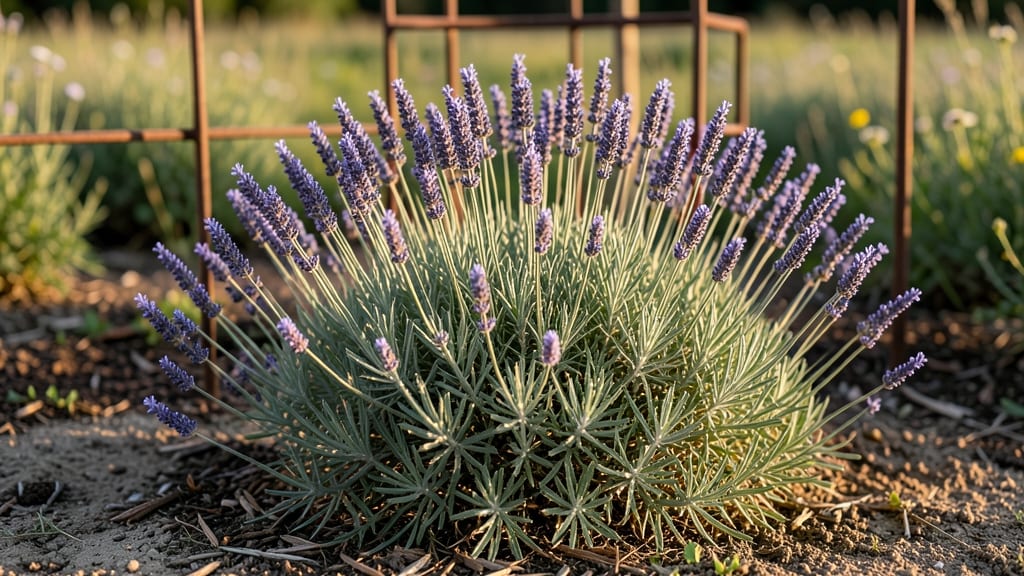
The lavender growing season starts with timing that makes all the difference between fragrant blooms and struggling stems.
Picture this: you’ve spent hours preparing your soil, choosing the perfect 🌿 lavender variety, and even marked the spot with full sun in mind—only to watch your plants wilt by summer.
That’s the risk when planting outside the ideal window, especially in USDA Zone 6a where frost can sneak in unexpectedly.
Whether you’re in a Mediterranean climate or a cooler temperate zone, the key is understanding when to plant for robust root establishment and when to protect your lavender from winter’s chill.
Too early, and frost will damage tender shoots; too late, and your plant may not have enough time to bloom before the next cold snap.
In this guide, I’ll walk you through the exact planting months for your region, how to extend your lavender’s season with smart care, and the three mistakes that kill even the hardiest varieties.
By the end, you’ll know exactly when to plant for peak fragrance—and how to keep it thriving year after year.
Optimal lavender growing season by climate zone: best planting months
Timing is everything when planting lavender—this fragrant herb thrives when given the right seasonal window to establish strong roots before extreme temperatures arrive. In my experience, the best planting months vary dramatically across USDA zones 5-10, with Mediterranean climates offering year-round opportunities while colder regions demand precise timing.
Even a two-week delay can stunt growth or invite fungal diseases in humid zones.
Lavender's native Mediterranean roots mean it craves hot, dry summers and cool winters, but hardy varieties like English lavender (Lavandula angustifolia) and French lavender (Lavandula stoechas) can adapt to cooler climates with proper timing.
The key is planting when soil temperatures stay above 50°F (10°C) for root establishment, while avoiding the peak heat of summer which stresses young plants.
Here's how to match your climate zone to the perfect planting window for maximum blooms and fragrance:
| USDA Zone | Ideal Planting Window | Temperature Threshold | Best Variety | Frost Sensitivity |
|---|---|---|---|---|
| Zones 5-6 | Mid-April to early May OR September 15-October 15 | Soil ≥50°F (10°C) | English lavender | Hardy to -20°F (-29°C) |
| Zones 7-8 | March 15-April 15 OR September 1-October 1 | Soil ≥55°F (13°C) | French or Spanish lavender | Hardy to -10°F (-23°C) |
| Zones 9-10 | September 1-November 15 OR February 1-March 15 | Soil ≥60°F (16°C) | Spanish lavender (L. stoechas) | Hardy to 20°F (-7°C) |
| Coastal Zones 7-8 | October 1-November 30 (fall only) | Soil ≥52°F (11°C) | Grosso lavender | Hardy to -5°F (-21°C) |
| Desert Zones 8-9 | February 15-March 30 (spring only) | Soil ≥65°F (18°C) | Spanish lavender | Hardy to 15°F (-9°C) |
For USDA zones 5-6, I recommend focusing on English lavender since it handles colder winters better than Mediterranean varieties. Plant in mid-April after the last frost date, giving roots 6-8 weeks to establish before summer heat arrives.
The fall window (September-October) works equally well—young plants develop roots before winter dormancy.
In zones 7-8, both French lavender and Spanish lavender thrive when planted in early spring (March-April) or early fall (September). The key is avoiding summer planting—lavender hates 90°F+ (32°C+) soil temperatures, which cause root rot.
I've seen lavender planted in July in zone 8 struggle with fungal wilt within weeks.
Southern gardeners in zones 9-10 have the most flexibility, but timing still matters. Plant Spanish lavender in early fall (September-November) for winter blooms, or try spring planting (February-March) for summer flowers. Coastal areas benefit from fall-only planting to avoid summer humidity that invites powdery mildew.
Pro tip: Test your soil temperature with a soil thermometer before planting—lavender roots need consistent warmth to grow. In my zone 7 garden, I wait until soil hits 55°F (13°C) before transplanting, even if air temperatures are cooler. This small adjustment prevents root shock that stunts growth for months.
Remember that container-grown lavender adapts better to timing shifts than bare-root plants. If you miss the ideal window, opt for potted lavender and move it to a sheltered spot until conditions improve. I've successfully planted lavender in late May using this method—just monitor soil moisture closely during the transition.
Finally, prune back any frost-damaged growth in spring (zones 5-6) and mulch heavily in fall (zones 7-10) to protect roots. The right planting season sets your lavender up for years of fragrance—don't rush it!
How to extend your lavender growing season for year-round fragrance
Lavender thrives in spring and fall, but with the right strategies, you can coax year-round fragrance from your plants. The key lies in understanding how to adapt to seasonal changes without shocking your lavender's delicate roots.
By leveraging container mobility and microclimate selection, you can protect your plants from harsh weather while maximizing their bloom cycles.
Most gardeners assume lavender is a summer-only plant, but with smart planning, you can enjoy its signature scent from late winter through early winter. The secret? Combining mulching techniques, pruning schedules, and strategic container placement to create ideal growing conditions regardless of the season.
Let's explore how to make this work in your garden.
5 Proven Techniques to Extend Lavender's Growing Season
- 🪴 Container Gardening: Use 12-18 inch pots with drainage holes to move plants indoors during winter or to sunniest spots in fall. Terracotta pots help regulate soil temperature.
- ☀️ Microclimate Selection: Plant near south-facing walls, patios, or roofs to capture extra warmth. These spots can be 5-10°F warmer than open garden beds.
- 🌡️ Mulching Strategy: Apply 3-4 inches of gravel or pine straw mulch around plants to insulate roots in winter and retain moisture in summer. Avoid organic mulch that retains too much moisture.
- ✂️ Pruning Schedule: Prune lightly after first bloom (June) to encourage second flushes in late summer. In fall, trim back 1/3 of growth to shape plants for winter dormancy.
- 🌱 Seasonal Protection: For USDA zones 5-7, cover plants with burlap sacks or frost blankets when temperatures drop below 20°F. In containers, wrap pots in bubble wrap for extra insulation.
Let's start with container gardening, one of the most effective ways to extend your lavender's season. By planting in portable containers, you gain the flexibility to move plants to optimal sunlight or protected locations as seasons change.
For example, in late fall, I move my lavender pots closer to my south-facing garage wall where they receive extra warmth from reflected sunlight. This simple adjustment can delay dormancy by 4-6 weeks.
Another game-changer is microclimate selection. Lavender loves full sun, but not all garden spots receive equal sunlight. I've found that planting near stone walls or patio edges creates microclimates that are warmer and more sheltered than open garden beds.
These spots can be perfect for overwintering tender lavender varieties like Spanish lavender, which struggles in cold winters.
Don't underestimate the power of mulching either. A 3-inch layer of gravel around your lavender plants serves multiple purposes: it insulates roots during winter freezes, prevents soil compaction, and reduces weed competition.
I prefer pebbles or crushed granite because they drain quickly—lavender hates soggy roots. For extra winter protection, I add a thin layer of straw mulch on top of the gravel.
Finally, pruning on a schedule can dramatically extend your lavender's bloom time. Most gardeners make the mistake of pruning only once per year, but lavender responds well to light, strategic cuts.
After the first flush of blooms in late spring, I give my plants a light trim to encourage a second bloom cycle in late summer. This technique can add 4-6 weeks of fragrance to your garden.