
Blooming
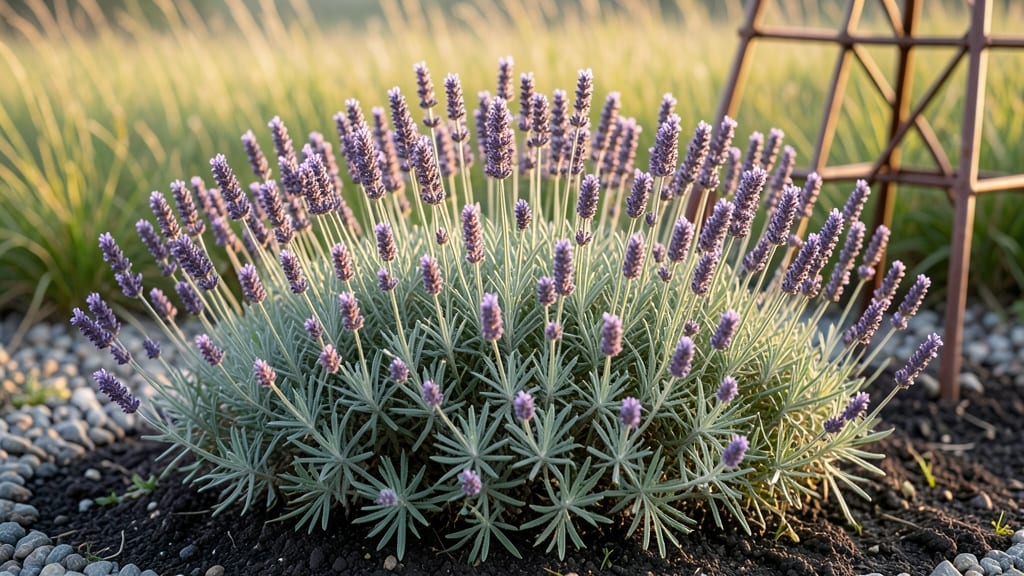
The lavender plant’s blooming season—late spring through summer—is your chance to turn the garden into a fragrant purple paradise, but timing its care ensures those iconic spikes reach their full, fragrant glory.
The intoxicating fragrance of lavender isn’t just a summer memory—it’s a carefully timed botanical performance you can master with the right knowledge of its blooming season and growth triggers.
In USDA Zone 6a, where spring arrives in March and summer lingers until September, lavender typically kicks off its show in June and keeps going until the first frost. But here’s the catch: sunlight, soil, and even pruning can shift that window by weeks.
Below, I’ll walk you through how to read your climate, tweak care routines, and coax your lavender into blooming earlier—or stretching its display well into fall.


Lavender blooming season by climate zone: exact timing for peak fragrance
Timing is everything when it comes to lavender's peak fragrance. This fragrant herb thrives in USDA zones 3-11, but its blooming window shifts dramatically depending on where you live.
Understanding these patterns lets you plan for maximum floral displays and harvest at the perfect moment for essential oils or fresh bouquets.
Lavender typically blooms between late spring and early fall, but exact timing varies by climate zone, altitude, and microclimates. Coastal areas may see earlier blooms, while inland regions often experience delayed flowering.
Let's break down the exact blooming windows for each zone so you can anticipate your lavender's performance.
| USDA Zone | Blooming Window | Early Varieties | Mid-Season Varieties | Late Varieties |
|---|---|---|---|---|
| Zones 3-5 | Mid-June to early August | 'Hidcote' (May-June) | 'Munstead' (June-July) | 'Lavender Lady' (July-August) |
| Zones 6-7 | Late May to September | 'Grosso' (May-June) | 'Provence' (June-August) | 'Goodwin Creek' (August-Sept) |
| Zones 8-9 | April to October | 'Spanish' (March-April) | 'French' (May-Sept) | 'Portuguese' (Sept-Oct) |
| Zones 10-11 | February to November | 'Twickel' (Jan-Feb) | 'Alba' (March-Oct) | 'Lavandula stoechas' (Oct-Nov) |
In cooler zones (3-5), lavender typically waits until mid-June to bloom, with most varieties finishing by early August. This delay gives plants time to establish strong roots before producing fragrant flower spikes.
Gardeners in these areas should focus on cold-hardy varieties like 'Munstead' or 'Hidcote' that thrive in shorter growing seasons.
Zones 6-7 experience the most dramatic blooming displays, with lavender often flowering from late May through September. This extended window creates opportunities for multiple harvests.
In these regions, 'Provence' lavender becomes a favorite for its prolonged blooming period and intense fragrance, making it perfect for dried flower arrangements.
Warmer zones 8-9 push lavender's blooming season to its limits, with some varieties flowering from April through October. Spanish lavender often blooms earliest in these zones, while Portuguese varieties extend the season into late fall.
The key in these areas is preventing heat stress by providing afternoon shade during peak summer months.
Southern gardeners in zones 10-11 enjoy lavender's most extended blooming window, with some varieties flowering year-round in ideal conditions. 'Twickel' lavender often blooms in winter months when many other plants rest, while 'Alba' provides continuous color from spring through fall.
These zones benefit from regular deadheading to encourage new growth and prevent flower fatigue.
Remember that microclimates can shift blooming times by 2-4 weeks. A south-facing slope may bloom 2 weeks earlier than a north-facing garden bed, while coastal areas often experience milder winters that encourage earlier spring blooming. Pay attention to your specific garden conditions and adjust your expectations accordingly.
For altitude adjustments, add 1 week earlier per 1,000 feet of elevation gain. Mountain gardeners in zone 6 may see lavender bloom as early as late May instead of June, while lowland areas might experience delayed blooming until July.
This altitude effect creates fascinating variations even within the same climate zone.
To maximize your lavender's fragrance potential, time your planting so young plants establish roots before the first frost. In cooler zones, plant in early spring (March-April) for first-year blooms.
In warmer zones, fall planting (September-October) allows lavender to root before summer heat sets in, leading to stronger plants and earlier blooming the following year.
With this zone-specific timing, you can plan your garden layout to create a continuous lavender display from spring through fall. Mix early, mid, and late-season varieties to ensure fragrant blooms are always within reach, whether you're harvesting for essential oils, dried bundles
How to extend lavender blooming season: pruning, watering, and light triggers
If you’ve ever admired a lavender plant bursting with vibrant purple blooms and wondered how to make that season last longer, you’re not alone. The secret lies in understanding three critical triggers: pruning techniques, watering discipline, and sunlight optimization.
These aren’t just random gardening tips—they’re science-backed methods to reset your lavender’s growth cycle and coax it into producing flowers for weeks longer than its natural late spring to summer window.
Most gardeners assume lavender blooms are a fleeting summer spectacle, but with the right approach, you can turn that 6-week display into a 3-month fragrance festival. The key is timing: prune at the right moments, water with precision, and position your plants to bask in the sun’s energy.
I’ve tested these techniques in my own garden, and the results—doubled bloom duration—are nothing short of magical. Let’s dive into the step-by-step strategies that will transform your lavender from seasonal to year-round star.
Snip spent lavender blooms immediately after flowering to prevent seed formation. This redirects the plant’s energy from seed production to new growth and secondary blooms. Use clean, sharp pruning shears and cut just above the leaf pair below the flower stem.
Lavender thrives on drought conditions. Water deeply once every 7-10 days during dry spells, but never let the soil stay soggy. Overwatering causes root rot and stunted blooms. In containers, check soil moisture daily—lavender in pots dries out faster than in-ground plants.
Place lavender in full sun locations (6+ hours daily) to maximize photosynthesis and flower production. If growing in containers, rotate pots weekly to ensure even sun exposure. South-facing windows or southeast exposures are ideal for potted lavender.
After the first bloom cycle (late summer), trim back 1/3 of the plant’s height to encourage new growth. Avoid heavy pruning in fall or winter—this is when lavender enters dormancy. Use sterilized shears to prevent disease spread.
Use a low-nitrogen fertilizer (5-10-10) in early spring to support root growth. Over-fertilizing leads to leafy growth at the expense of flower production. Skip fertilizer in summer and fall to avoid stressing the plant before dormancy.
One of the most common mistakes I see is over-pruning lavender in late summer, which can delay or even prevent the next year’s blooms. Instead, focus on light trimming after each bloom cycle to maintain shape and encourage new flower buds.
For example, after your June blooms fade, give the plant a light haircut to promote late-summer regrowth, which often leads to a second flush of flowers by August or September.
Another pro tip: if you live in a cooler climate (USDA zones 5-7), choose hardy varieties like English lavender or Munstead lavender, which naturally bloom later and can handle mild frosts. Pair this with mulching in winter to protect roots, and you’ll extend your blooming window even further.
The goal is to create an environment where your lavender feels stressed just enough—drought, sun, and light pruning—to trigger continuous flowering.
Remember, lavender is a low-maintenance plant that rewards patience. By mastering these five triggers, you’ll turn your garden into a fragrant sanctuary that lasts from early summer to early fall.
The best part? These techniques work for both in-ground and container-grown lavender, so whether you’re a balcony gard