
Planting
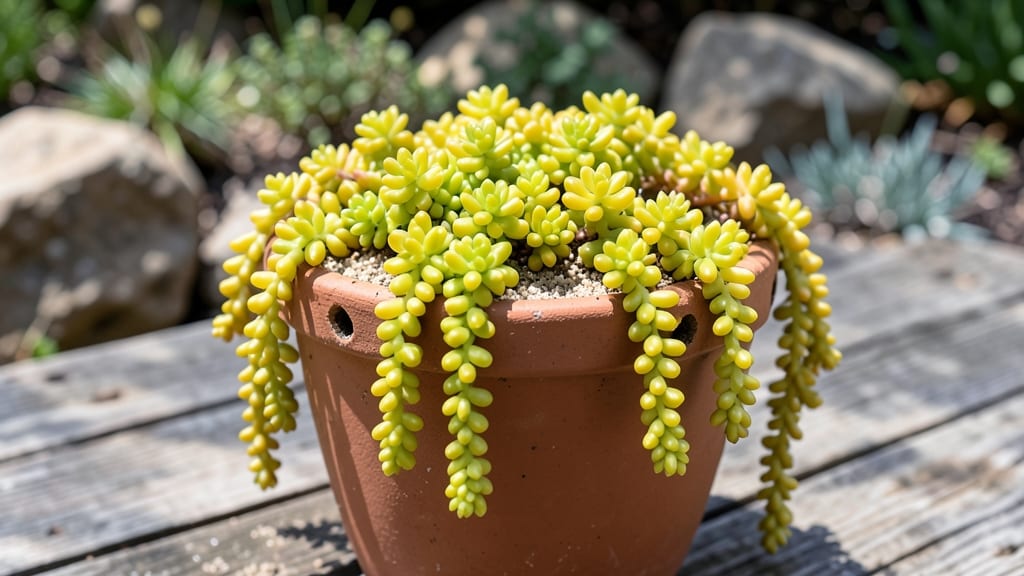
Lemon Coral Sedum thrives in USDA Hardiness Zones 4-9, where it handles winter lows down to -30°F (-34°C) and summer heat up to 90°F (32°C) with proper care. Its drought-resistant nature makes it perfect for dry, sunny gardens.
This succulent's hardiness comes from its thick, water-storing leaves that protect against both freezing and scorching heat. 🌵 In colder zones (4-6), a light mulch helps insulate roots, while in hotter zones (7-9), it thrives with minimal watering once established.
The key is well-draining soil—this plant despises soggy roots, which can lead to rot even in its preferred zones.
For vibrant growth, aim for 6+ hours of direct sunlight daily and soil with a pH between 6.0-7.5. Mixing sand or gravel into garden beds prevents water pooling, while container gardening lets you control drainage perfectly.
I've seen this plant flourish even in Zone 5 gardens with just a little winter protection, proving its resilience when given the right conditions.
💡 In This Article
- Understanding Lemon Coral Sedum’s Cold and Heat Tolerance
- Best Soil and Sunlight Conditions for Lemon Coral Sedum
Understanding Lemon Coral Sedum’s cold and heat tolerance
The secret behind Lemon Coral Sedum's impressive hardiness lies in its succulent physiology. Its thick, fleshy leaves store water like tiny reservoirs, allowing it to survive drought conditions while also protecting against freezing temperatures.
When exposed to cold, the plant's cells produce antifreeze proteins that prevent ice crystal formation, similar to how some winter vegetables survive frost. This adaptation lets it endure -30°F (-34°C) without permanent damage, though growth slows dramatically below 20°F (-7°C). 🌟
Heat tolerance works through a different mechanism—its waxy leaf coating reflects sunlight while minimizing water loss through transpiration. In zones 7-9, where summer temperatures can exceed 90°F (32°C), the plant enters a semi-dormant state, reducing metabolic activity to conserve moisture.
Unlike many succulents that struggle in humidity, Lemon Coral Sedum actually prefers dry air, which prevents fungal issues that plague tropical plants in muggy climates.
Seasonal growth patterns reveal why this plant thrives in its hardiness range. Spring and fall are its active growth periods, with new foliage emerging when soil temperatures reach 50°F (10°C). Summer heat triggers dormancy, while winter chills signal the plant to conserve energy.
In colder zones (4-6), the plant's natural dormancy helps it survive winter with minimal protection, though a 2-3 inch (5-7 cm) layer of mulch can prevent soil temperature fluctuations that might stress roots.
Waterlogged soil is the only condition that truly stresses Lemon Coral Sedum across all zones. Its roots lack the aeration needed for proper respiration when submerged, leading to rot within 48-72 hours of soggy conditions.
This is why well-draining soil—whether through sandy mixes or raised beds—is non-negotiable. Even in its preferred zones, heavy clay soils can become deadly if not amended with organic matter or gravel.
Consider these key factors when assessing your climate:
- Zone 4-5: Use 3-4 inches (7-10 cm) of mulch in winter to protect roots from extreme cold snaps
- Zone 6-7: Container growing offers flexibility to move plants indoors during unexpected freezes
- Zone 8-9: Provide afternoon shade during peak summer to prevent leaf scorch at 100°F+ (38°C+)
The plant's struggle in humid climates stems from its inability to handle prolonged moisture on leaves, which creates ideal conditions for powdery mildew. In zones with high humidity (like parts of Zone 8), spacing plants 12-18 inches (30-45 cm) apart improves airflow and reduces disease risk.
This spacing also mimics its natural habitat where plants grow in dry, rocky conditions with plenty of space between individuals. 💫