
Container Gardens
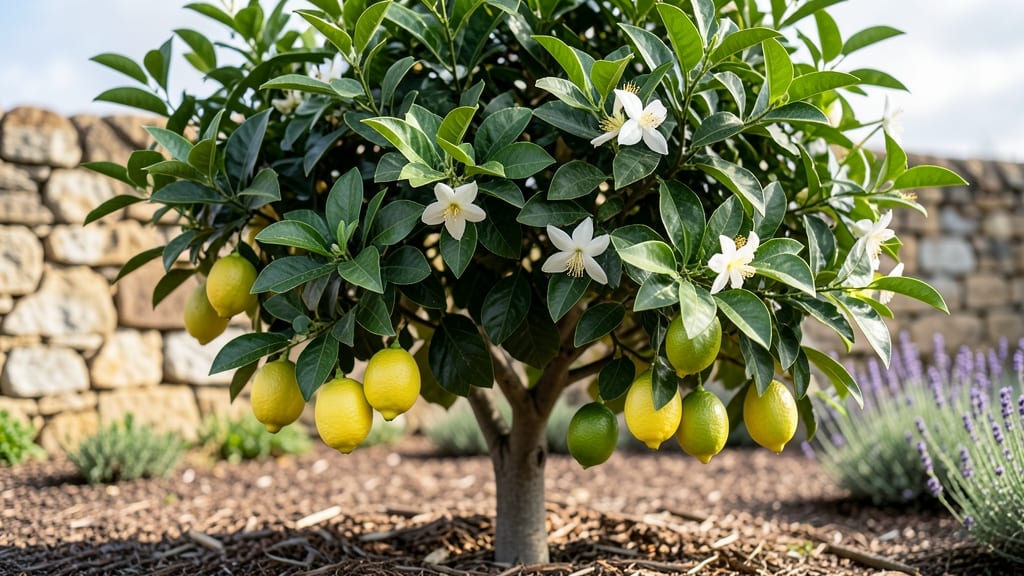
Lemon trees grow best in USDA zones 9 through 11, where frost rarely occurs and temperatures stay above 25°F (-4°C). Cold-hardy varieties can endure brief dips to 15°F (-9°C) with protective measures, while container cultivation extends growing options in cooler regions.
Understanding these USDA zone requirements comes down to two key factors: temperature tolerance and humidity levels. 🌡️ Lemon trees originate from subtropical climates, meaning they struggle when exposed to prolonged cold or sudden temperature swings below 30°F (-1°C).
Even in their preferred zones, coastal areas with milder winters (like Southern California) often see better survival rates than inland regions with similar zone ratings. The good news? Container-grown trees can be moved indoors during winter months, effectively bypassing outdoor temperature limits entirely.
For those in zones 8 or cooler, selecting dwarf varieties like 'Meyer' or 'Improved Meyer' gives you a fighting chance—these types handle cooler temps better than standard lemon trees.
I’ve found that adding a thick layer of mulch around the base and wrapping the pot in bubble wrap during hard freezes can push survival limits even further. The key is acting fast when temperatures drop, as even a few hours of exposure below 28°F (-2°C) can cause irreversible damage.
💡 In This Article
- USDA Zones for Lemon Trees: Exact Temperature Limits and Climate Needs
- Growing Lemon Trees Outside Their Native Zones: Container Solutions and Winter Care
USDA zones for lemon trees: exact temperature limits and climate needs
Lemon trees (Citrus × limon) are subtropical evergreens that suffer from a condition called chilling injury when exposed to temperatures below 30°F (-1°C). This damage occurs at the cellular level when ice crystals form in plant tissues, disrupting membrane integrity and causing irreversible cell death.
The most critical threshold is 25°F (-4°C), where even brief exposure can kill standard varieties. In zones 9-11, where winter lows typically stay above 30°F (-1°C), lemon trees thrive year-round without protection.
Humidity plays an equally vital role—these trees prefer 50-70% relative humidity and struggle in dry climates where air moisture drops below 40%. Coastal areas in zones 9-11 often provide ideal conditions, with ocean breezes moderating temperatures and increasing humidity.
Inland regions within the same zones may experience more extreme temperature swings, requiring additional care. For example, a Meyer lemon tree in zone 9a (20-25°F) might survive winters with proper mulching, while the same tree in zone 9b (25-30°F) would need container protection during cold snaps.
The science behind their cold sensitivity lies in their native habitat—lemon trees evolved in the subtropical Mediterranean, where winters rarely drop below 32°F (0°C). Their leaves contain high levels of polyunsaturated fats that remain liquid at warm temperatures but solidify when chilled, causing leaf drop and growth cessation.
This is why you'll often see lemon trees in zone 10 (30-40°F) producing fruit reliably, while those in zone 9 may struggle with reduced yields during colder winters.
Microclimates can extend growing ranges by 1-2 USDA zones in favorable conditions. For instance, a south-facing wall in zone 8 might create a microclimate warm enough for a container-grown Improved Meyer lemon during summer months.
I've successfully grown these trees in zone 8a by placing them against brick walls that absorb and radiate heat. Similarly, urban heat islands in cities like Phoenix (zone 9b) can push lemon trees 1-2°F warmer than rural areas, making them more resilient.
Cold-hardy varieties like 'Eureka' and 'Lisbon' lemon trees can tolerate brief dips to 15°F (-9°C) when properly protected, but this comes with trade-offs. These varieties often produce smaller fruit and grow more slowly due to their genetic adaptations.
The trade-off between hardiness and productivity is why Meyer lemons remain popular in cooler zones—they're more cold-tolerant than standard lemons but still produce sweet, flavorful fruit. For best results, combine the right variety with proper winter care strategies.
One often overlooked factor is wind exposure. Lemon trees in zone 9 with high winds may experience windburn, where cold air accelerates moisture loss from leaves, causing brown patches.
This is why coastal plantings often thrive better than inland ones in the same zone—the ocean provides a natural windbreak while increasing humidity. In container gardens, placing trees near walls or fences can create similar protective microclimates.