
Planting
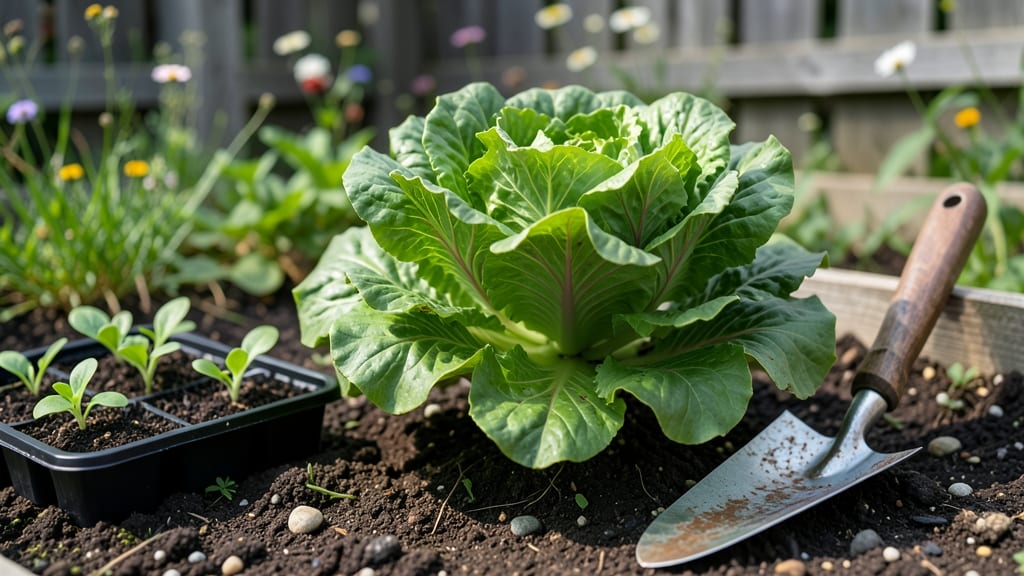
Timing your lettuce planting season right guarantees quick sprouts and a bountiful crop of tender greens—yet a misstep risks bolting or sluggish, bitter leaves.
Want crisp, homegrown lettuce in just 6-8 weeks? Timing your planting season by climate zone can make the difference between fast germination and frustrating delays. In Zone 6, like many gardeners, early spring (March-April) and late summer (August-September) are your best bets.
But here’s the catch: soil temperature matters more than the calendar. Lettuce seeds need 45-85°F to sprout quickly, which means waiting for frost to pass in spring and avoiding the heat of summer. Too early, and they’ll rot; too late, and they’ll bolt before you can harvest.
Below, I’ll break down the exact months by zone, how to extend your season with shade and succession planting, and the three mistakes that kill germination before it starts. Ready to grow lettuce like a pro?


Best lettuce planting months by USDA hardiness zone for fast germination
Timing your lettuce planting by USDA hardiness zone ensures fast germination and a steady harvest. Lettuce thrives in cool soil temperatures between 45°F and 85°F, making early spring and fall the sweet spots for most regions.
In warmer zones (7-10), you can even plant in late summer for a winter harvest. Let’s break down the best months for your zone to maximize those crisp, homegrown leaves!
Germination speed depends on soil warmth and moisture consistency. In cooler zones (3-6), seeds may take 7-14 days to sprout if planted too early, while warmer zones (8-10) can see sprouts in just 5-7 days with proper soil prep.
Overwintering lettuce in cold climates (zones 3-5) is possible with row covers or cold frames, extending your harvest well into winter.
Here’s your zone-by-zone planting guide for fast, reliable germination:
For fastest germination, aim to plant when soil temps hit 50°F or warmer. In zones 3-5, start seeds indoors 4-6 weeks before your last frost date, then transplant outdoors once nights stay above 40°F.
In warmer zones (7-10), you can direct-sow year-round, but avoid planting during peak summer heat (above 85°F) to prevent bolting.
Pro tip: Use a soil thermometer to check temps before planting. If your soil runs too cold, wait 1-2 weeks for faster sprouts. In containers, germination happens quicker because soil warms faster—ideal for urban gardeners in zones 5-8.
Just ensure pots have drainage holes to prevent root rot from overwatering.
Fall planting is often more successful than spring in hot climates (zones 7-10). Sow seeds in late summer (August-September) for a harvest before winter sets in. Choose heat-t
How to extend lettuce season: succession planting and heat tolerance tips
Summer heat can turn your lettuce into bitter, bolted plants faster than you can say "salad season." But with the right strategies, you can enjoy crisp, homegrown greens all year.
The secret? Succession planting and choosing heat-tolerant varieties like Romaine or Buttercrunch. These methods prevent bolting while keeping your garden productive.
Start by planting heat-resistant lettuce varieties every 2-3 weeks. This staggered approach ensures you always have fresh greens ready to harvest. For example, sow a batch in early spring, another in late summer, and a final one in early fall.
This way, you avoid the peak summer heat that triggers bolting.
Succession Planting vs. Heat Tolerance
Succession Planting
- ✅ Continuous harvests every 3-4 weeks
- ✅ Avoids bolting by timing plantings
- ✅ Low-cost method using seeds
- ❌ Requires planning and space
- ❌ Slower than transplants
Heat Tolerance
- ✅ Faster growth in warm weather
- ✅ Resists bolting better than standard varieties
- ✅ Higher yield per plant
- ❌ Limited variety options
- ❌ More expensive seeds
Don't underestimate the power of shade cloth during scorching afternoons. A 30-50% shade cloth can lower soil and leaf temperatures by up to 10-15°F, giving your lettuce a fighting chance.
Install it over your beds when daytime temps exceed 80°F and remove it in cooler evenings. This simple trick can extend your harvest by weeks.
For succession planting, use a staggered schedule that aligns with your climate. In cooler zones (3-5), start with transplants in early spring and sow seeds every 2 weeks until early summer.
In warmer zones (6-10), focus on fall plantings and use shade cloth during summer months. Always keep a 10-15 day buffer between plantings to account for germination time.
Pro tip: Pair your lettuce with radishes or bush beans to maximize space. Radishes mature quickly and can be harvested before they shade out your lettuce. Meanwhile, beans provide nitrogen to the soil, improving lettuce growth. This companion planting strategy keeps your garden productive and healthy.
With these techniques, you'll enjoy crisp, homegrown lettuce from early spring through fall. The key is consistency—stay on your planting schedule, monitor heat levels, and choose the right varieties. Your garden (and taste buds) will thank you! 🥬