
Blooming
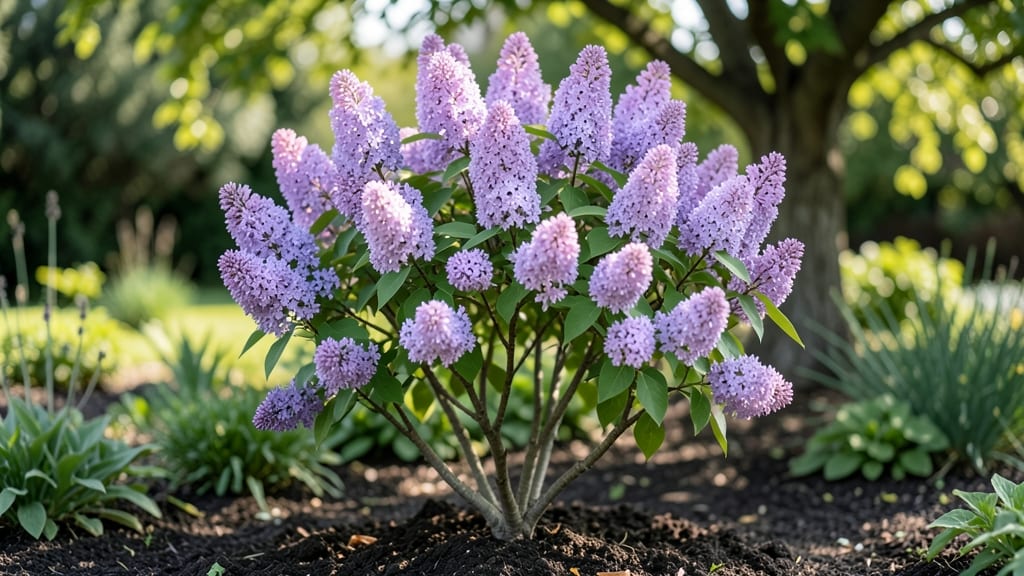
The lilac flower blooming season is what turns your yard into a fragrant springtime showstopper 🌸 — but if you miss the window, you could end up with frost-nipped buds or weak scent.
Picture this: the first whiff of lilacs in your neighborhood, signaling that winter is finally over. Yet, timing isn’t one-size-fits-all. In Zone 6a, blooms typically arrive in late April or early May, but in warmer regions like Zone 9, they might stretch into June.
That’s why knowing your exact zone—and the variety you’ve planted—is the key to maximizing fragrance and beauty.
Beyond the calendar, factors like sunlight, soil health, and even last year’s pruning can shift your lilacs’ schedule. Too little sun? Expect delayed blooms. Over-pruned? You might see fewer flowers.
The good news? With a few simple adjustments—like feeding in early spring or avoiding heavy cuts—you can coax your lilacs into their most vibrant, fragrant performance.
In this guide, I’ll break down the month-by-month blooming timeline for your zone, share pro tips to extend the season, and troubleshoot why your lilacs might be playing hard to bloom. By the end, you’ll know exactly when to expect that signature scent—and how to make it last longer.
Lilac blooming season by USDA Zone: month-by-month breakdown
Lilacs are one of the most anticipated spring bloomers, but their blooming season can vary dramatically depending on your USDA hardiness zone. In colder zones like Zone 3, lilacs might wait until late May, while warmer Zone 9 gardens can enjoy fragrant blooms as early as March.
Understanding these zone-specific timelines helps you plan for peak fragrance and avoid frost damage to delicate buds.
Climate plays a huge role—early spring frost in Zones 4–6 can delay blooms by weeks, while milder Zones 7–9 often see lilacs flowering in late winter or early spring. Even within a zone, microclimates (like urban heat islands) can shift bloom dates by 1–2 weeks.
Let’s break down when to expect those iconic purple, white, and lavender blooms in your area.
Pro Tip: Early bloomers like Syringa vulgaris 'Sensation' may flower in March in Zone 7, while late varieties like 'President Lincoln' might wait until June in Zone 4. Knowing your lilac’s variety is key to predicting bloom times accurately.
| USDA Zone | Early Bloomers | Peak Bloom | Late Bloomers | Notes |
|---|---|---|---|---|
| Zone 3 | Late May | June | Early July | Short season; frost risk |
| Zone 4 | Mid-May | Late May–June | Early July | Cool springs delay blooms |
| Zone 5 | Early May | May–June | Late June | Variable; watch for frost |
| Zone 6 | Late April | May | Early June | Classic spring bloomer |
| Zone 7 | March–April | April–May | June | Longer season; some rebloom |
| Zone 8 | February–March | March–April | May | Early blooms possible |
| Zone 9 | January–February | February–March | April | Mild winters; extended blooms |
In Zone 3, lilacs often wait until late May to bloom, giving gardeners just a 4–6 week window before summer heat sets in. This late timing helps avoid late spring frosts, which can devastate buds. If you’re in Zone 4 or
How to extend your lilac’s blooming season with pruning and care
Your lilacs can bloom for weeks longer with the right care, filling your garden with intense fragrance and vibrant color. The key lies in timely pruning, proper watering schedules, and soil that supports healthy growth.
Unlike many shrubs, lilacs bloom on old wood, so pruning too late or too aggressively can cut off next year’s flowers. Let’s unlock the secrets to a longer, more abundant lilac season.
Start by understanding your lilac’s natural blooming cycle. Most varieties burst into color in late spring, but with careful pruning and care, you can push that season by 2-4 weeks. The goal is to encourage strong, healthy stems that produce more buds.
Begin with early spring pruning—just as new growth starts—to shape your shrub while preserving next year’s blooms. This is where most gardeners go wrong, often pruning after flowering, which removes the buds for next season.
Watering plays a critical role in extending your lilac’s blooming season. Deep, consistent watering—about 1-2 inches per week—keeps roots healthy and encourages robust growth. Lilacs are drought-tolerant once established, but young plants need regular moisture, especially during hot, dry spells.
Water at the base of the plant in the morning to reduce evaporation and fungal risks. Overhead watering can lead to leaf diseases, which weaken the plant and shorten bloom time.
Sunlight is non-negotiable for longer, more fragrant lilac blooms. These shrubs thrive in full sun (6+ hours daily), but even partial shade can reduce flower production. If your lilacs are in a shadier spot, consider transplanting them to a sunnier location for better blooms.
In hot climates (Zones 8-9), provide afternoon shade to prevent stress, but ensure they still get morning sun for optimal flowering.
Boost your lilacs’ performance with soil amendments tailored to their needs. Lilacs prefer well-draining, slightly alkaline soil (pH 6.5-7.5). If your soil is too acidic, add lime in early spring to create ideal conditions. A layer of compost around the base also improves nutrient availability.
Avoid heavy fertilizers—lilacs don’t need much. A light application of 10-10-10 fertilizer in early spring is enough to support healthy growth without overstimulating foliage at the expense of flowers.
Finally, mulch your lilacs with 2-3 inches of organic mulch (like wood chips or straw) to retain moisture, regulate soil temperature, and suppress weeds. Reapply mulch annually in early spring to keep the root zone protected.
With these simple yet effective care practices, your lilacs will reward you with longer, more abundant blooms and a garden filled with their signature fragrance for weeks to come.