
Blooming
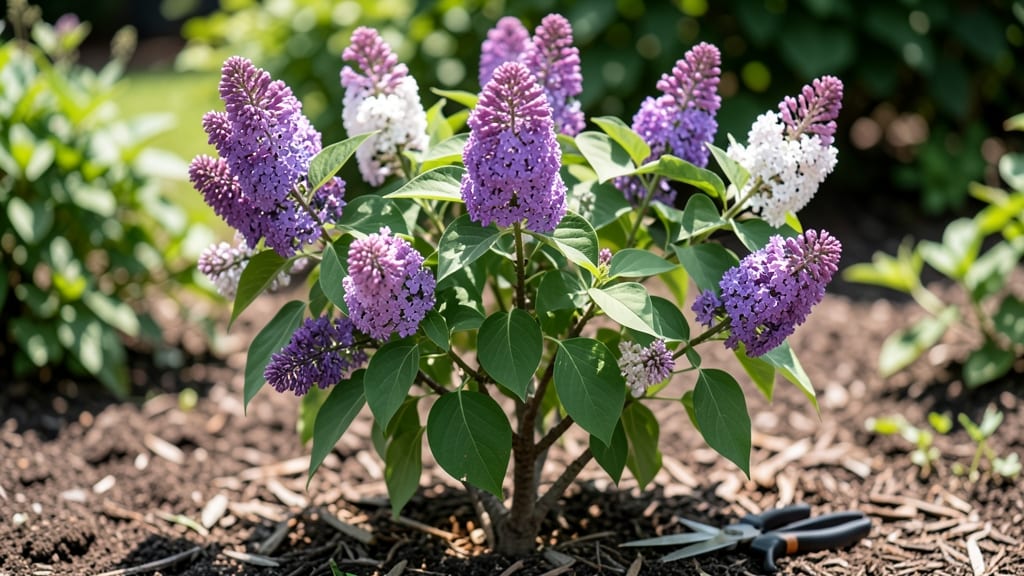
Lilac flower season arrives like a fragrant pink promise every spring, transforming yards into cloud-like bursts of color. 🌸 I still remember the first time I walked past a neighbor’s lilacs in full bloom—the air smelled like a mix of sweetness and nostalgia, and I knew my garden needed that same magic.
Most lilacs bloom between late April and early June, though cooler climates might push them into May or even early July.
The timing depends on your variety, climate, and how you prune—early bloomers like Syringa vulgaris often wake up first, while late varieties like Syringa meyeri linger into summer. Pruning too late can delay blooms, but the right cuts actually encourage bigger, showier clusters next year.
I’ve learned that patience pays off: a well-timed trim in late winter or early spring sets the stage for that signature fragrance.
When lilacs are in peak bloom, the garden becomes a sensory experience—visitors pause to inhale the scent, bees hum between clusters, and the air shimmers with pollen. Pair them with early spring bulbs like daffodils or shade-loving perennials like hostas to extend the show.
The best part? Lilacs attract pollinators all season long, turning your yard into a thriving ecosystem.
For those in warmer zones, some varieties bloom twice—once in spring and again in fall. Whether you’re pruning, photographing blooms, or simply enjoying the view, lilac season is the perfect reminder that spring’s fleeting beauty is worth savoring. Here’s how to make the most of it!
📚 In This Guide
- What you need
- Instructions
- Tips and common mistakes
- Wrapping up and next steps
What you need
- ● Lilac plants or cuttings: Choose healthy, disease-free varieties (e.g., Syringa vulgaris) from nurseries or garden centers. Pro tip: 💡 Opt for bare-root plants in early spring for better root establishment.
- ● Well-draining soil: A mix of garden soil, compost, and sand (60% soil, 30% compost, 10% sand) works best.
- ● Organic mulch: 2–3 inches of wood chips or straw to retain moisture and suppress weeds.
- ● Fertilizer: A balanced, slow-release fertilizer (10-10-10) or compost tea for nutrient-rich growth.
- ● Watering can or hose: With a gentle spray nozzle for hydration without damaging blooms.
- ● Garden trowel or shovel: For planting and soil prep.
- ● Pruning shears: Sharp, sterilized shears for shaping and deadheading.
- ● Gloves: Heavy-duty gardening gloves to protect hands from thorns.
- ● Sunlight access: A spot with 6+ hours of full sun daily (partial shade tolerates some varieties).
- ○ Optional: Potting soil and containers for potted lilacs (if not planting in-ground).
- ● Decorative stakes or trellises to support climbing varieties.
- ● Spray bottle with neem oil (🌡️ preventative pest control).
Instructions for extending your lilac flower season
Here's how to coax those fragrant pink blooms into lasting longer than a single spring burst.
🌿 Step 1: Prune After Full Bloom for Next Year
Wait until after all flowers fade—never cut back lilacs in late winter or early spring. This is the only time you should touch the shears. I always prune in late May or June when the flowers have completely dropped. Remove only the spent blooms and any crossing or weak branches that rub against each other.
Use sharp pruners to make clean cuts just above a leaf bud or outward-facing growth point. This ensures new shoots emerge in the right direction. Never cut into old wood—the lilac's growth comes from new stems. You'll see fresh green shoots forming within weeks of proper pruning.
☀️ Step 2: Choose the Sunniest Spot Possible
Lilacs thrive in full sun (6-8 hours daily), but many gardeners unknowingly plant them in partial shade. If your lilac only blooms lightly, check its light exposure first. Move it to a sunnier location if possible—even an extra 2-3 hours of morning sun makes a difference.
Morning sun is ideal because it warms the blooms gradually without scorching them. You'll notice fuller clusters and stronger fragrance when lilacs get their full sun requirement. If relocating isn't possible, supplement with a grow light for 4-5 hours daily during cloudy periods.
💧 Step 3: Water Deeply but Infrequently
Lilacs establish deep roots that hate soggy soil. Water deeply once a week during dry spells, aiming for 1-2 inches of moisture per watering. You'll know you've watered enough when the soil 12 inches down feels moist—stick your finger in to check. Shallow watering encourages weak roots that can't support heavy flower clusters.
Mulch around the base with 2-3 inches of organic mulch to retain moisture and regulate soil temperature. Keep mulch 6 inches away from the trunk to prevent rot. Overwatering is the #1 reason lilacs produce sparse blooms—too much moisture stresses the plant and reduces flowering.
✂️ Step 4: Fertilize Lightly in Early Spring
Use a balanced, slow-release fertilizer (10-10-10) in early spring when new growth appears. Spread ½ cup around the drip line (where water naturally falls) and water it in. Lilacs don't need much fertilizer—they're tough plants that can thrive with minimal feeding.
I avoid high-nitrogen fertilizers because they promote leafy growth at the expense of flowers. Instead, focus on phosphorus and potassium to support blooming. You'll see stronger stems and fuller clusters if you fertilize correctly. Stop fertilizing after mid-summer to allow the plant to prepare for dormancy.
🌱 Step 5: Protect from Late Frosts and Pests
Cover lilacs with frost cloth when nighttime temperatures drop below 28°F after buds form. The delicate blooms can be damaged by late frosts, which ruins the entire season. Remove covers during the day to allow sunlight and ventilation.
Watch for aphids and borers—common lilac pests. Spray with neem oil if you see sticky residue on leaves (aphids) or tiny holes in stems (borers). A healthy lilac rarely gets pests, but stressed plants attract them. You'll know your lilac is healthy when it resists pests naturally and blooms abundantly year after year.
Tips & tricks for extending your lilac blooms
Here's what nobody tells you about keeping those fragrant pink clusters coming back year after year.
Pruning Precision: When you prune in late May or June, look for the first outward-facing bud below the spent blooms—this is where your next year's flowers will form. I've made the mistake of cutting too far back and ended up with fewer blooms the following spring. Always make your cuts at a 45-degree angle just above that bud to encourage healthy growth.
Sunlight Strategy: The 6-8 hours of full sun requirement isn't negotiable for maximum blooms, but morning sun is actually more important than afternoon. If you can only provide extra light, focus on morning hours—this gradual warming helps prevent bud damage. I've seen lilacs in afternoon shade still produce flowers, but they're never as fragrant or abundant as those getting morning sun.
Watering Wisdom: That 12-inch deep watering check might sound extreme, but it's the only way to develop the strong root system lilacs need. I learned this the hard way when my lilac produced sparse blooms after years of shallow watering. Use a long screwdriver to check moisture—if it comes out dry, you need to water more deeply next time. The goal is to encourage roots to grow downward where they're less vulnerable to drought.
Frost Protection: The 28°F threshold is critical because lilac buds are most vulnerable at this temperature range. I've covered my lilacs with frost cloth multiple times when the forecast called for 29°F, only to have the buds survive unscathed. But when temps drop to 27°F, even a few hours of exposure can ruin the entire blooming season. Remove covers during the day to prevent overheating, which can stress the plant.
Pro Tips for Lilac Flower Season
- Here's what nobody tells you about keeping those fragrant pink clusters coming back year after year.
- Pruning Precision: When you prune in late May or June, look for the first outward-facing bud below the spent blooms—this is where your next year's flowers will form.
- Sunlight Strategy: The 6-8 hours of full sun requirement isn't negotiable for maximum blooms, but morning sun is actually more important than afternoon.
Frequently asked questions
Got questions about lilac season? You’re not alone!
Here are the most common queries—plus quick answers to help you make the most of these fragrant blooms.
When is the best time to plant lilacs for spring blooms?
Plant lilacs in early fall (4–6 weeks before the first frost) or late winter (just before buds swell). This gives roots time to establish before the growing season. For container-grown lilacs, plant anytime the ground isn’t frozen—just water deeply afterward!
How long does lilac flower season last?
Lilacs typically bloom for 1–2 weeks, depending on the variety and climate. Early bloomers (like ‘Katherine Havemeyer’) may start in late April, while late varieties (such as ‘Miss Canada’) can linger into early June. Chilly nights often extend their display!
Why aren’t my lilacs blooming this year?
No flowers? Check these fixes:
- Age: Young lilacs (under 3 years) may skip blooming while maturing.
- Pruning: Cutting back after flowering (not before) encourages next year’s buds.
- Nutrients: Feed with high-phosphorus fertilizer in early spring.
- Sunlight: Ensure 6+ hours of sun daily.
Can I grow lilacs in containers or small gardens?
Dwarf varieties like ‘Minnesota Sky’ or ‘Little League’ thrive in 5-gallon pots with well-draining soil. Place containers in full sun and water consistently—containers dry out faster than garden beds. Just avoid overcrowding!
What’s the best way to preserve cut lilacs?
Trim stems at an angle, remove lower leaves, and place in cool water (change every 2 days). Add a flower food packet to extend vase life by 5–7 days. Lilacs also dry beautifully—hang stems upside down in a dark, dry space for 2–3 weeks!
Wrapping up and next steps
The lilac flower season is a magical time—when gardens burst into fragrant pink pom poms and spring truly feels alive! 🌸 Whether you’re admiring their beauty, harvesting blooms, or planning your own lilac haven, this season is all about celebrating nature’s delicate charm.
Now that you’re armed with tips and answers, why not take the next step? Plant a lilac bush in your yard or visit a local botanical garden to soak in their intoxicating scent. The world of lilacs awaits—go make it bloom brighter!