
Flowers
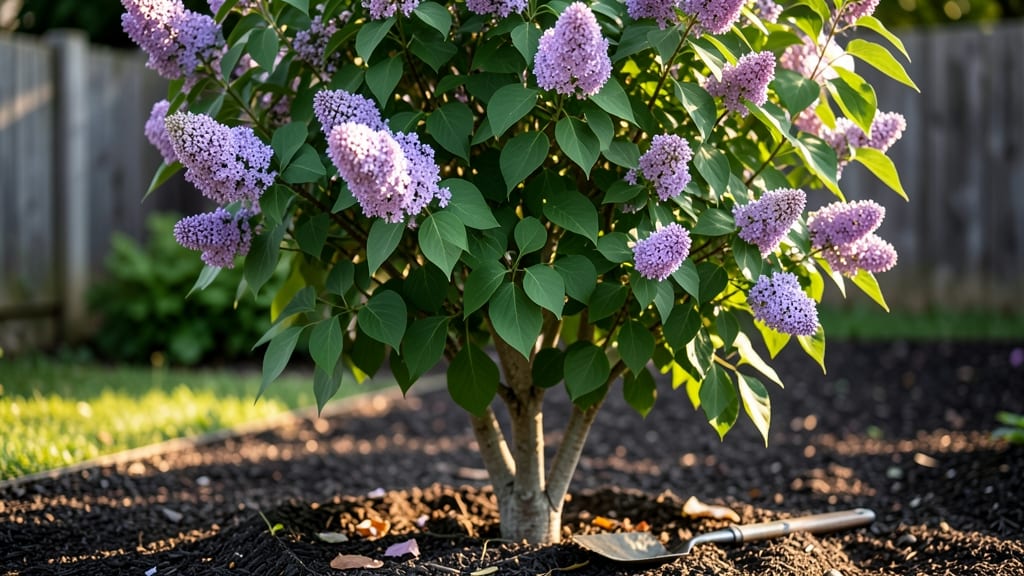
Lilacs in season bring that unmistakable, intoxicating fragrance that turns every garden into a sensory masterpiece 🌸 — but catching them at their peak requires knowing the right timing and location.
Picture this: you drive past a neighborhood where every yard is bursting with purple, white, and pink blooms, the air thick with sweet perfume. That’s not just a spring stroll — it’s a seasonal event that gardeners in USDA Zone 6a and beyond eagerly await.
Miss the window, and you’re left with half-bloomed stems and fading scent.
Here’s the secret: lilacs typically bloom in late spring, but the exact timing shifts depending on your region. In cooler zones like mine, they peak in May and June, while southern gardens might see them as early as April.
The key to enjoying their full fragrance? Planting them in full sun, pruning correctly after blooming, and choosing varieties that suit your climate.
Below, I’ll break down the best months to enjoy lilacs by zone, share tips to extend their bloom season, and even point you to the top U.S. spots for lilac-viewing adventures.
Whether you’re a gardener or just a fan of spring’s sweetest scents, this is your guide to making the most of lilac season.
Lilac blooming timeline by USDA planting zones: when to expect peak fragrance
Lilacs are nature's perfume machines, but their peak fragrance depends entirely on your USDA planting zone. In colder zones like 3-5, buds often wait until late spring to burst open, while zones 6-9 experience earlier blooms.
Even within the same zone, microclimates can shift bloom times by 1-2 weeks, making timing everything for that signature sweet, floral aroma.
Climate plays a surprising role too—warmer winters in Zone 7 might trigger early blooms, while Zone 4 lilacs may linger longer due to cooler temperatures. Humidity also affects scent intensity: Southern gardens often experience richer fragrance because higher moisture preserves volatile oils in the blossoms.
Here’s how to track your lilac’s peak fragrance window based on your zone, plus the best varieties to plant for staggered blooms:
| USDA Zone | Peak Bloom Window | Early Varieties | Late Varieties | Scent Profile |
|---|---|---|---|---|
| Zones 3-4 | Late May to early June | 'Katherine Havemeyer' | 'Miss Canada' | Sweet, spicy, strong |
| Zones 5-6 | Mid-May to late May | 'Common Purple' | 'President Lincoln' | Floral, slightly herbal |
| Zones 7-8 | Early to mid-April | 'Sensation' | 'Dwarf Korean' | Light, citrusy, delicate |
| Zones 9 | Late February to March | 'Mme. Lemoine' | 'White Swan' | Fruity, almost tropical |
*Varieties may shift 1-2 weeks earlier in coastal or urban heat islands.
If you live in Zone 3-4, plan your garden visits for late May to early June—this is when most lilacs reach their peak fragrance intensity. The variety 'Katherine Havemeyer' is a crowd-pleaser here, offering a spicy-sweet aroma that lingers for days.
Pro tip: Plant it near a south-facing patio to maximize scent diffusion during afternoon breezes.
Gardeners in Zones 5-6 enjoy an earlier show, with blooms typically appearing in mid-May. The 'Common Purple' variety is a classic choice, but for a softer floral scent, try 'President Lincoln'. These zones often experience cooler nights, which can actually preserve fragrance longer than hotter climates.
For those in Zones 7-8, lilacs bloom as early as April, making them one of the first fragrant shrubs of spring. The 'Sensation' variety is a top pick for its citrusy undertones, while 'Dwarf Korean' offers a compact option for small gardens.
Humidity in these zones can sometimes dilute scent intensity, so prune lightly to improve airflow.
In the mildest zones (Zone 9), lilacs often bloom in late February or March, providing a winter-to-spring transition of fragrance. Varieties like 'Mme.
Lemoine' have a tropical fruit-like scent that’s unique to warmer climates. However, these lilacs may bloom erratically if temperatures fluctuate, so monitor bud development closely.
Regional variations can shift bloom times significantly. For example, Pacific Northwest gardens in Zone 7 might see lilacs bloom 2 weeks earlier than those in Appalachian Zone 7 due to coastal influences. Similarly, urban heat islands can advance blooms by 10-14 days compared to rural areas in the same zone.
To maximize fragrance, choose multiple varieties with staggered bloom times. Plant an early bloomer like 'Sensation' alongside a late bloomer such as 'Miss Canada' to extend your lilac season by 3-4 weeks. This strategy also ensures you’re never without that intoxicating aroma during peak growing months.
One final tip: Morning sun enhances lilac fragrance, so schedule your garden walks for early afternoon when warmth releases the most volatile oils. Pair your lilacs with companion plants like lavender or roses to create a multi-sensory spring experience that lasts all season.
Top 5 regions in the U.s. for lilac viewing and scent tours
If you’ve ever inhaled the heady perfume of lilacs in bloom, you know spring’s magic isn’t just in the sight—it’s in the scent. The best lilac displays transform entire cities into fragrant wonderlands, and these top 5 U.S. regions deliver unforgettable experiences.
From iconic botanical gardens to hidden local parks, each spot offers peak fragrance at slightly different times, ensuring your lilac pilgrimage aligns with bloom windows by zone.
Whether you’re planning a weekend trip or a multi-day lilac festival adventure, these destinations combine accessibility, scent intensity, and nearby attractions to make your visit extra special. Pro tip: Pack a small bouquet keeper—you’ll want to preserve those fragrant memories long after you leave!
-
🌸 New York, NY
Brooklyn Botanic Garden’s Lilac Collection -
🌸 Philadelphia, PA
Morris Arboretum’s 1,000+ lilac varieties -
🌸 Seattle, WA
Washington Park Arboretum’s Pacific Northwest blooms -
🌸 Denver, CO
Chatfield Farms’ Rocky Mountain lilac festival -
🌸 Portland, OR
Linn Botanical Garden’s fragrant meadows
Nearby Attractions: Museums, hiking trails, and local farmers' markets
New York’s Brooklyn Botanic Garden is the crown jewel for lilac lovers, with over 300 varieties in full, fragrant display. The garden’s Lilac Collection peaks in late April to early May, when the air becomes thick with purple, pink, and white blooms.
Pair your visit with a stroll through Central Park’s Conservatory Garden, where historic lilacs add to the city’s floral charm.
For a quieter but equally stunning experience, Philadelphia’s Morris Arboretum offers a 1,000-plus lilac collection, including rare heirloom varieties. The arboretum’s Lilac Festival in late April draws crowds, but the scent lingers for weeks. Don’t miss the nearby Longwood Gardens, where fountain displays complement the floral extravaganza.
Out west, Seattle’s Washington Park Arboretum transforms into a lilac paradise in early May, with Pacific Northwest-adapted varieties thriving in the mild climate. The Japanese Garden nearby offers a serene contrast to the vibrant blooms, making it a perfect spot for scent and tranquility.
Pack layers—Seattle’s spring weather can be unpredictable!
Denver’s Chatfield Farms hosts an annual Lilac Festival in late May, featuring Rocky Mountain-grown lilacs that thrive in the high-altitude climate. The festival includes live music, food trucks, and educational workshops. Nearby Red Rocks Park provides a stunning backdrop for post-lilac hikes with panoramic views.
Finally, Portland’s Linn Botanical Garden is a hidden gem for lilac enthusiasts, with fragrant meadows and themed gardens that peak in early June. The garden’s Fragrance Garden is a must-visit, featuring lilacs alongside other scent-rich plants. Explore Portland’s Powell’s City of Books afterward for a literary-lilac hybrid adventure.
No matter which region you choose, timing is key—arrive during peak bloom windows to experience the full sensory experience. And remember, the best lilac tours often include local lilac syrup tastings or floral workshops to extend your fragrant journey beyond the garden gates! 🌿