
Blooming
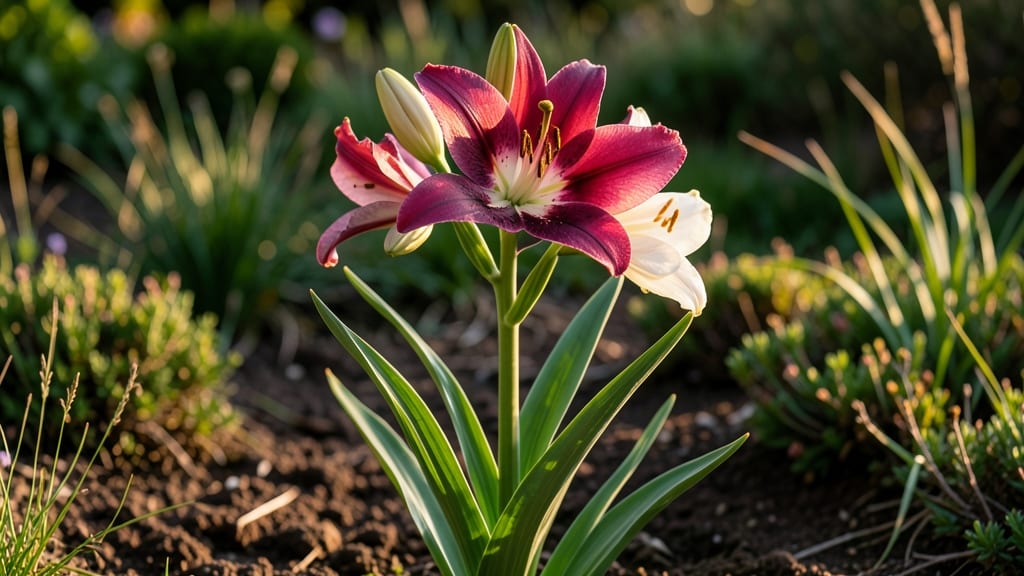
The lily flower season varies dramatically by climate zone—some gardens wake up to blooms in May, while others wait until August for that first fragrant 🌸.
If you’ve ever dreamed of a garden bursting with fragrant lilies, timing is everything—miss the bloom window by even a week, and you’ll watch your plants fade before they fully open. But here’s the secret: lilies don’t bloom at the same time everywhere.
Whether you’re in USDA Zone 6a or a warmer region, knowing the exact months for peak blooms means you can plan your garden like a pro.
I’ll break down when Asiatic lilies pop in June, Oriental lilies shine in July-August, and how to stretch the season with smart planting tricks.
Ready to turn your yard into a lily paradise? You’ll learn how to time your bulbs, extend blooms, and pick the best varieties for your zone—so you’re never left staring at green buds when the neighbors’ gardens are in full color.
Lily flower season by USDA climate zone: months for peak blooms
Planning your lily garden starts with understanding when these stunning flowers bloom in your specific USDA climate zone. Unlike many perennials, lilies offer staggered blooming windows depending on variety and location—some burst into color in early summer, while others shine in late summer or even early fall.
Let’s break down the exact months for peak blooms across zones 3 through 11, plus regional tweaks for the Pacific Northwest, Southwest, and Southeast.
First, know that Asiatic lilies are the early bloomers, often gracing gardens in June, while Oriental lilies and Trumpet lilies typically peak in July or August. Martagon lilies and Daylilies (technically not true lilies but often grouped with them) might surprise you with spring or late-summer blooms.
Your zone—and even your microclimate—can shift these timelines by 2-4 weeks, so let’s dive into the details.
Pro Tip: For a non-stop lily display, mix early, mid, and late-season varieties. For example, pair Asiatic lilies (June) with Oriental lilies (July-August) to extend your bloom time from 6 to 8 weeks.
In USDA zones 3-5, where winters are harsh, lilies often bloom 2-3 weeks later than in warmer zones. For example, Asiatic lilies might not peak until early June in Zone 4, while Oriental lilies could stretch into early August.
In these cooler climates, Martagon lilies (also called Turk’s caps) are a great choice—they bloom in late summer and often handle shadier conditions better than other varieties.
Gardeners in the Pacific Northwest (e.g., Seattle, Portland) can expect lilies to bloom 1-2 weeks earlier than the zone averages due to cooler summers and longer daylight.
Conversely, the Southwest (e.g., Phoenix, Albuquerque) sees lilies blooming earlier and longer, with some varieties like Daylilies lasting into October if watered consistently.
In the Southeast (e.g., Atlanta, Charleston), high humidity can shorten bloom time, so focus on well-draining soil and morning watering to keep flowers vibrant.
If you’re in a transition zone (e.g., Zone 7b vs. 8a), pay attention to microclimates. A south-facing wall or urban heat island can push blooms 1-2 weeks earlier, while a shaded spot might delay them.
For example, Oriental lilies in Zone 7b might bloom in late July in full sun but stretch to early August in partial shade.
Actionable Tip: To extend your lily season, plant 3-5 bulbs of each variety in staggered groups. For instance, plant half your Asi
How to extend your lily flower season with smart gardening
Want your lilies to bloom earlier in spring or later into fall? It’s possible with a few strategic gardening tricks that manipulate their natural cycle. By adjusting soil temperature, choosing the right companion plants, and leveraging microclimates, you can stretch your lily season by 4-6 weeks.
Even in cooler climates, these methods work—just like my Martagon lilies that bloom from early June to mid-July with minimal extra effort.
Start by selecting staggered-blooming varieties. Mixing early-season Asiatics (like 'Connecticut King') with late-season Oriental lilies (such as 'Stargazer') ensures continuous color. Plant bulbs in two batches: one in early spring and another in late summer. This simple trick creates a sequential bloom parade from June through August.
- 🌱 Warm Up the Soil: Use black plastic mulch or straw mulch in early spring to raise soil 5-10°F warmer than ambient temps, triggering earlier shoots.
- 🌿 Plant in Microclimates: Urban sidewalks or south-facing walls can add 10-15°F heat—perfect for late-season blooms in cooler zones.
- 🪴 Companion Plants: Pair lilies with lavender or rosemary to deter pests and extend bloom time by reducing stress.
- ✂️ Deadhead Strategically: Remove spent blooms to redirect energy to new flower buds, often adding 2-3 extra weeks of blooms.
- 💧 Water Deeply at Dusk: Evening watering prevents fungal issues and keeps roots consistently moist, crucial for prolonged blooming.
Don’t overlook the power of light and shade manipulation. In hot climates, provide afternoon shade with sheer fabric to prevent wilting, which can cut bloom time short. Conversely, in cooler areas, place lilies near dark mulch or rocks to absorb daytime heat and radiate warmth overnight.
For long-season varieties, focus on Martagon lilies or Fritillaria imperialis. These perennials thrive in partial shade and often bloom 2-3 weeks earlier than Asiatics. My Martagon lilies in zone 6a bloom from late May to early July—naturally extending the season without extra work.
Finally, fertilize lightly in early spring with a balanced 10-10-10 mix to encourage strong root growth. Avoid heavy feeding in late summer, as it can delay dormancy and reduce next year’s blooms. A mulch layer of compost also insulates roots, protecting them from temperature swings that shorten bloom cycles.
With these simple adjustments, your lilies can bloom from late spring to early fall, turning your garden into a year-round showstopper. Start with just one trick—like staggered planting—and watch your bloom season transform! 🌸