
Blooming
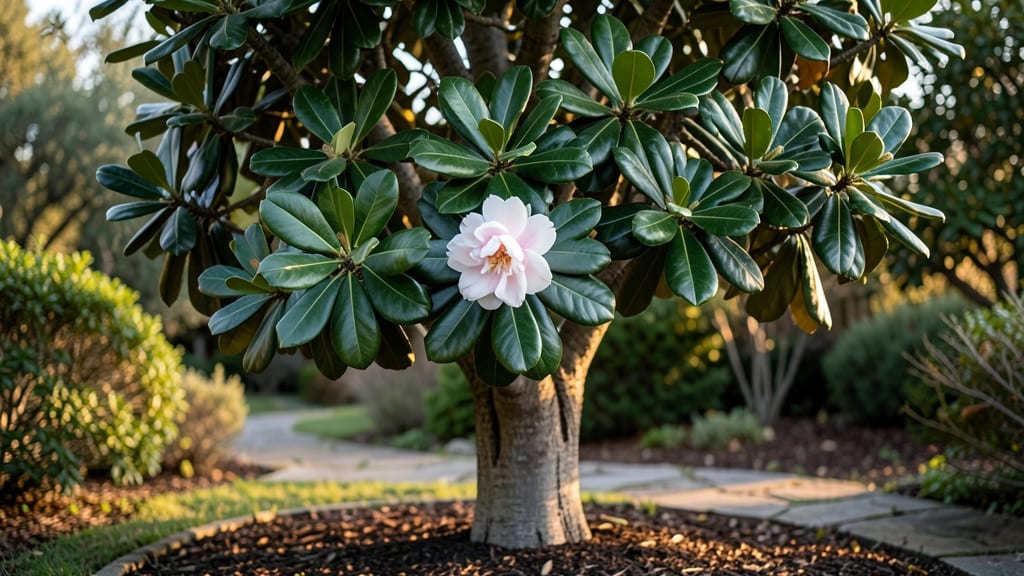
Flowers bloom during specific seasons depending on the plant type and climate zone, with bulbs like tulips typically appearing in early spring (March-April), perennials like coneflowers peaking in late summer (August-September), and tropical varieties often flowering year-round in warm regions.
Understanding when flowers bloom helps gardeners plan their landscapes and greenhouses effectively. 🌸 The timing isn't just about the season—it's also influenced by factors like daylight exposure (photoperiodism) and temperature triggers (vernalization).
For example, cool-season annuals like pansies thrive in fall and spring, while heat-loving flowers such as zinnias prefer summer's warmth. In colder climates, gardeners often use protective covers to extend blooming seasons for sensitive varieties.
Climate plays a huge role in shifting bloom schedules. 🌿 In the northern US, tulips might bloom as early as February, while in Southern states, they wait until April. Tropical flowers like hibiscus or plumeria don't follow seasonal rules—they keep blooming continuously when temperatures stay above 60°F.
This is why selecting the right plants for your hardiness zone is crucial for year-round color.
💡 In This Article
- Seasonal Flower Blooming Patterns by Plant Type
- Climate Zone Adjustments for Flower Blooming Timelines
Seasonal flower blooming patterns by plant type
The timing of flower blooms is primarily governed by two biological processes: photoperiodism (response to daylight length) and vernalization (temperature-induced flowering). Bulbs like tulips and daffodils are classic examples of vernalization-dependent plants—they require exposure to 4-6 weeks of cold temperatures (35-45°F) before they'll bloom in spring.
This is why tulips planted in fall won't flower until the following March-April, even if given warmth immediately.
Annual flowers like marigolds and zinnias follow photoperiodism rules, blooming when daylight hours reach 12-14 hours—typically mid-summer (June-July). Perennials such as coneflowers and black-eyed Susans have evolved to bloom in late summer (August-September) when temperatures peak but before frost arrives.
The contrast is striking: while tulips rely on cold to trigger blooms, summer annuals need warmth and long daylight to thrive. 🌿 Tropical varieties like hibiscus and bougainvillea operate on a different schedule entirely, continuing to bloom year-round in zones where temperatures stay above 60°F.
Each plant type has its own sensory signature during bloom. Tulips release a faint, sweet fragrance that intensifies in morning sunlight, while coneflowers offer a more robust, earthy aroma that attracts pollinators.
The visual contrast is equally dramatic—tulips' delicate petals unfold in soft pastels against spring's muted palette, while zinnias burst with fiery reds and oranges that command attention in summer gardens. These differences aren't just aesthetic; they reflect each plant's evolutionary adaptations to their native climates.
One fascinating exception is biennials like foxgloves, which follow a two-year cycle. They store energy in their roots during the first year, then bloom in their second year when conditions are optimal.
This delayed flowering strategy ensures they'll produce seeds during the most favorable conditions for germination. 🌸 The timing of these blooms can vary by 4-6 weeks depending on when they were planted, demonstrating how even within a single plant type, environmental factors create significant variations in bloom schedules.
For gardeners, understanding these patterns means strategic planning. Planting cool-season annuals like pansies in early fall ensures vibrant blooms by March, while summer annuals like petunias need to be sown after the last frost date. The key is matching each plant's biological triggers with your local climate conditions.
In colder regions, this might mean starting bulbs indoors under grow lights to jumpstart their vernalization process, while in warmer zones, shade cloth can protect heat-sensitive varieties from premature wilting.
What most people don't realize is that even within a single species, there are genetic variations in bloom timing. For example, some tulip cultivars have been selectively bred to bloom as early as February or as late as May, giving gardeners precise control over their seasonal color palette.
This genetic diversity is what allows florists to create year-round displays—by carefully selecting varieties that bloom at different times, they can maintain continuous color from early spring through late fall. 💫