
Planting
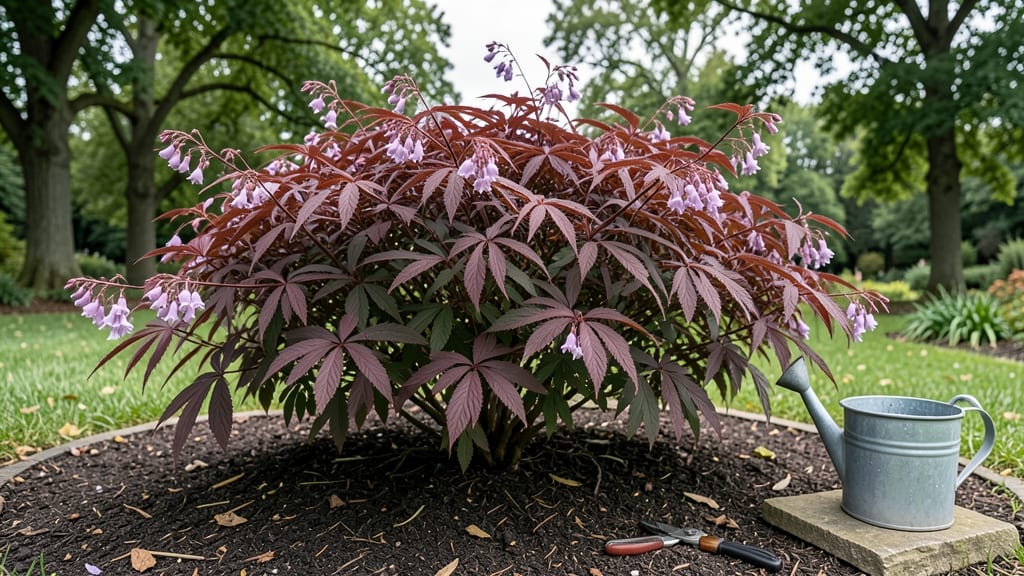
Loropetalum can thrive in Zone 6 with the right cold-hardy varieties and winter protection: opt for varieties like 'Purple Gem' or 'Rhapsody,' apply thick mulch, and wrap stems with burlap to shield from freezing temperatures. Always trim back any frost-damaged branches in early spring.
Growing loropetalum in colder climates like Zone 6 requires careful variety selection and seasonal prep. 🌿 The key is choosing hybrid cultivars bred for resilience, such as 'Purple Gem' or 'Rhapsody,' which can tolerate temperatures down to -10°F with proper care.
These varieties feature vibrant foliage that stays attractive even in transitional seasons. The winter protection steps—mulching and wrapping—create a microclimate that prevents root freeze and stem damage, while pruning in spring removes dead growth and encourages fresh, healthy regrowth.
What sets these cold-hardy varieties apart is their ability to handle winter conditions while still delivering stunning foliage colors year-round. For example, 'Rhapsody' boasts deep purple leaves that contrast beautifully against snow, while 'Purple Gem' maintains its compact shape even in harsh winters.
The mulching technique—applying 4-6 inches of organic material like straw or shredded leaves—insulates roots from temperature swings, while burlap wraps act as a physical barrier against windburn. This combination gives your loropetalum the best chance to bounce back strong in spring.
💡 In This Article
- Cold-Hardy Loropetalum Varieties for Zone 6 Gardens
- Step-by-Step Winter Care Guide for Zone 6 Loropetalum
Cold-hardy loropetalum varieties for Zone 6 gardens
The secret to growing loropetalum successfully in Zone 6 lies in selecting varieties specifically bred to withstand colder temperatures. The most reliable options are hybrids like 'Purple Gem' and 'Rhapsody,' which can tolerate temperatures down to -10°F when properly protected.
These cultivars were developed from the native Loropetalum chinense but with enhanced cold resistance through selective breeding. The foliage of these varieties maintains its deep purple hues even through winter, providing year-round visual interest that many gardeners love.
'Purple Gem' stands out for its compact, mounding habit reaching 3-4 feet tall and wide, making it ideal for foundation plantings or container gardens. Its small, star-shaped flowers in late winter add another layer of beauty before the leaves emerge.
In contrast, 'Rhapsody' grows slightly taller (4-5 feet) with broader leaves that create a lush, dense appearance.
Both varieties share a similar cold tolerance but differ in growth form, allowing gardeners to choose based on their landscape needs. 🌿 What these varieties have in common is their ability to handle Zone 6 winters without losing their signature foliage color.
The cold resistance mechanism in these hybrids involves thicker cuticles on the leaves and more robust root systems that can store more water and nutrients. This physiological adaptation allows them to survive freezing temperatures better than their non-hybrid counterparts.
For example, while standard loropetalum varieties might suffer leaf burn at 15°F, these cold-hardy types can withstand -10°F with proper winter care. The trade-off is slightly slower growth compared to tropical varieties, but the winter hardiness makes them worth the investment for Zone 6 gardeners.
Another excellent option is 'Crimson Fall,' which offers rich burgundy foliage that deepens in color as temperatures drop. This variety handles winter similarly to 'Purple Gem' but with slightly more tolerance for wet conditions, making it a good choice for areas with heavy snowfall.
When selecting varieties, consider not just cold tolerance but also your specific site conditions—sun exposure, soil type, and moisture levels all play a role in how well these plants will perform in your garden.
For gardeners new to loropetalum, it's worth noting that these cold-hardy varieties still require some winter protection, but they're far more forgiving than their tropical relatives.
The key difference is that with proper care, they'll bounce back in spring with minimal damage, whereas non-hardy varieties might require complete replacement after a harsh winter. This resilience makes them a smart choice for Zone 6 landscapes where winter conditions can be unpredictable. ✨
When planting these varieties, choose a location with afternoon shade if you're in a particularly cold microclimate within Zone 6. The afternoon sun can stress the plants during winter, so some protection from intense late-day sunlight helps maintain their health.
Consider planting near a south-facing wall or under the canopy of larger trees to create a more sheltered environment that mimics their natural habitat in southern China.