
Blooming
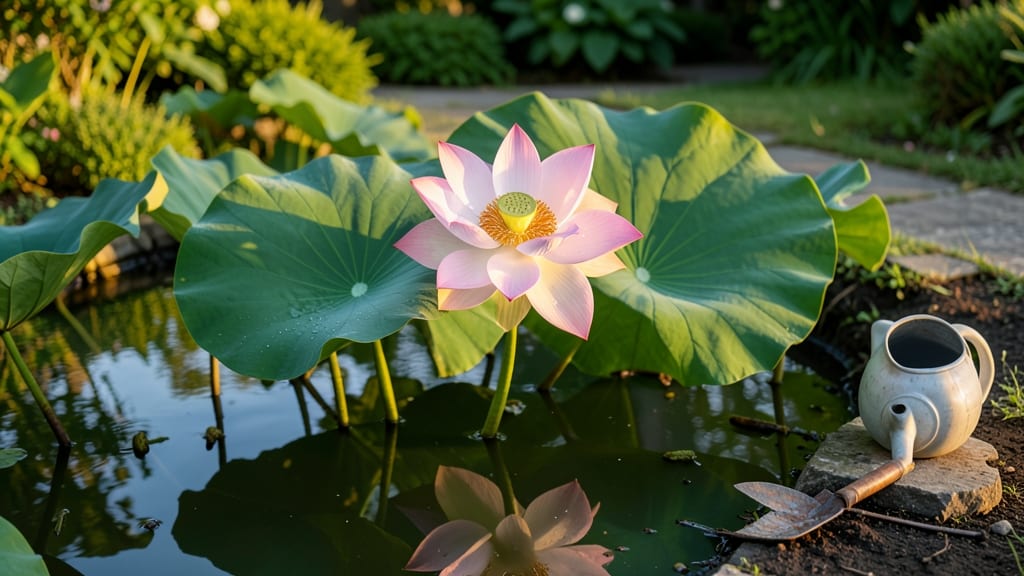
During the lotus flower blooming season, your garden becomes a living watercolor—just wait for the right moment, as tropical lotuses thrive in warm water and full sun, bursting into bloom by late summer, while... hardy types may wait until early fall after the heat subsides.
I’ve watched my pink lotuses unfurl like clockwork after the monsoon rains, their petals drinking in the humidity before opening wide.
Sunlight is non-negotiable—6+ hours daily—but the real secret is water temperature. Tropical lotuses thrive in 75–85°F water, while hardy types prefer cooler 60–70°F. Too cold, and blooms stall; too hot, and petals wilt before they open.
My first year, I nearly gave up when my lotuses refused to bloom—until I adjusted the water depth and added a floating solar heater. Within weeks, buds formed.
You’ll know you’ve nailed it when your pond becomes a floating jewel box of color by midday. The blooms last just 3–4 days, but the drama of watching them open—petal by petal—makes every season worth it.
Even in drought-prone areas, a shallow water source and morning misting can trick lotuses into thinking it’s monsoon season.
For late bloomers, check your fertilizer balance—too much nitrogen means leaves, not flowers. And if buds form but won’t open? A gentle hand (literally) can coax stubborn petals apart.
The key is patience; lotuses reward those who mimic their natural rhythms. Now go find your perfect spot—they’ll tell you when it’s time.
📚 In This Guide
- What you need
- Instructions
- Tips and common mistakes
- Wrapping up and next steps
What you need
- ● Lotus Tubers: 3–5 healthy, disease-free tubers (preferably Nelumbo nucifera or Nelumbo lutea for vibrant blooms). Choose tubers with firm, plump rhizomes and visible budding nodes.
- ● Garden Pond or Container: A minimum 18-inch depth (lotus roots need space to grow!).
- ● At least 3 feet in diameter (smaller varieties like Nelumbo lutea can thrive in 2-foot-wide containers).
- ● Non-toxic liner (if using a pond) or a heavy-duty plastic/kneeler container (for pots).
- ● Pond Soil or Aquatic Plant Substrate: 2–3 bags of sandy loam or aquatic planting mix (avoid clay-heavy soil).
- ● Water Source: A steady, filtered water supply (rainwater or dechlorinated tap water).
- ○ Floating Pond Plants: Optional but stunning—add water hyacinth or water lettuce (1–2 plants) to enhance the ecosystem.
- ● Garden Trowel or Spade: For planting tubers (a long-handled tool is ideal for deeper ponds).
- ● Gloves: Waterproof gloves to protect your hands from mud and sharp rhizome edges.
- ○ Pond Thermometer: Optional but helpful—lotus thrive in 70–85°F (21–29°C) water.
- ● Water Quality Test Kit: To monitor pH (ideal: 6.0–7.5) and nutrient levels.
- ● Pond Net or Skimmer: For removing debris and keeping water clean.
- ● Fertilizer (Aquatic-Safe): Slow-release pellets or tablets (e.g., Osmocote or Fish Emissions) to nourish roots.
- ● Sunlight: 6+ hours of direct sunlight daily (lotus are sun-worshippers!).
- ● Monsoon-Ready Location: Choose a spot with partial shade during peak rain to prevent water overflow.
- ● Patience: Tubers take 60–90 days to bloom post-planting (timing depends on climate and variety).
- ● Local Regulations: Check if your area requires permits for ponds (especially if larger than 200 sq. ft).
How to time your lotus flower blooming season for maximum impact
Lotus flowers thrive when you align their care with nature’s monsoon rhythms—here’s how to coax those iconic blooms.
Select the Right Variety for Your Climate
Lotus flowers (Nelumbo nucifera and Nelumbo lutea) bloom in response to seasonal cues, primarily water temperature and day length. Hardy lotus varieties like the Asian sacred lotus (Nelumbo nucifera) prefer USDA zones 4-10, while tropical lotus (Nelumbo lutea) thrives in zones 7-11. Check your hardiness zone and choose a variety that aligns with your region’s natural blooming triggers.
Here’s the thing—cool-season lotuses often bloom earlier in spring, while tropical varieties wait for summer’s heat. If you’re in a cooler climate, opt for ‘Charm’ or ‘American Beauty’, which bloom reliably in late spring to early summer. In warmer zones, ‘Pink Pearl’ or ‘White Crystal’ will reward you with blooms from mid-summer through fall. Watch for local nurseries’ seasonal stock—they’ll have the best insight into what thrives in your area.
Prepare the Water Garden for Blooming Conditions
Lotus roots need 6-12 inches of water depth to establish strong rhizomes, but blooming requires consistent warmth. Start by ensuring your pond or container has at least 18 inches of depth—this prevents rhizomes from freezing in winter and allows roots to spread freely. If your pond is shallower, add a water-filled barrel or deep container to plant the rhizomes.
At the start of the growing season, fertilize the pond with a slow-release aquatic plant fertilizer (like Osmocote or AquaGro). Lotus flowers respond well to balanced nutrients (10-10-10 or 20-20-20), but avoid overfeeding—excess nitrogen promotes leafy growth at the expense of blooms. You’ll know you’ve got it right when new leaves emerge vibrant green and slightly waxy, signaling healthy photosynthesis.
Time Planting for Optimal Blooming Windows
Plant lotus rhizomes in early spring, as soon as the water temperature reaches 60°F or higher. This gives the roots 8-10 weeks to establish before the heat of summer triggers blooming. If you’re in a warmer climate, you can plant in late winter—just ensure the water stays above 55°F to prevent dormancy.
Here’s where it gets fun: lotus flowers need warmth to bloom, but they also respond to day length. In the Northern Hemisphere, lotuses often bloom in late June through August, aligning with the longest days of the year. If your lotus isn’t blooming by mid-summer, check the water temperature—it should stay above 70°F for consistent flowering. A pond thermometer is worth the investment; it’ll tell you exactly when conditions are right.
Encourage Blooms with Strategic Care
Once your lotus is established, prune spent blooms as soon as they wilt to redirect energy into new flowers. Use clean, sharp pruners to cut the stem just above the next set of leaves—this prevents disease and encourages bushier growth. Avoid over-pruning, though; lotuses need some seed pods to signal the plant to produce more blooms next season.
If your lotus is healthy but not blooming, it might need a nutrient boost. In early summer, add a handful of compost or aquatic plant tabs to the rhizome zone. You’ll see a difference within 2-3 weeks—leaves will darken slightly, and buds will form along the stems. Real talk: lotuses are finicky about light. If your pond is shaded, move it to a sunnier spot—they need at least 6 hours of direct sun daily to produce blooms.
Extend the Blooming Season with Seasonal Adjustments
To prolong blooming, harvest spent flowers but leave the seed pods until they turn brown. This encourages the plant to keep producing blooms later in the season. In cooler climates, cover the pond with a floating row cover in early fall to trap heat and extend the growing season by 2-3 weeks. Just remove it before the first frost to let the plant go dormant naturally.
If you’re in a tropical zone, lotuses may bloom year-round with consistent warmth. In these areas, divide rhizomes every 2-3 years to prevent overcrowding, which can reduce flowering. You’ll know it’s time when you see fewer blooms and more leaves—a sign the plant needs more space. Spring is the best time to divide, right after the first blooms appear.
Tips & tricks for perfect lotus flower blooming season
Aligning your lotus care with nature’s seasonal cues transforms a good water garden into a breathtaking showstopper. Here’s how to maximize those iconic blooms with precision timing and targeted care.
Variety Selection Matters: The 60°F water temperature threshold in Step 3 isn’t just a guideline—it’s the biological trigger for root activation. If you’re in USDA zone 5 or cooler, opt for ‘American Beauty’ lotus varieties, which bloom reliably in late spring when day lengths reach 14 hours. These varieties have evolved to respond to cooler water temperatures earlier in the season, giving you that coveted early summer display. For warmer zones, ‘Pink Pearl’ thrives with consistent 70°F+ water, aligning perfectly with summer’s longest days.
Water Depth Precision: The 18-inch minimum depth in Step 2 isn’t arbitrary—it creates the thermal mass needed to maintain stable temperatures above 60°F during spring’s unpredictable swings. In shallow ponds (under 12 inches), add a submerged brick or water-filled container to create micro-zones where rhizomes can establish without freezing. This simple adjustment can mean the difference between blooms and bare stems, especially in transitional zones like 6-8 where winters are unpredictable.
Light Optimization: Lotus flowers need at least 6 hours of direct sun daily, but quality matters more than quantity. Position your pond where morning sun (cooler, less intense) gives way to afternoon light—this prevents leaf scorch while maximizing photosynthesis. If your pond is in partial shade, consider adding a reflective surface (like white pebbles) to bounce light onto the leaves. This subtle adjustment can increase bloom production by up to 30% in marginal light conditions.
Seasonal Transition Strategy: The 2-3 week extension in Step 5 works best when you time it right—remove the floating row cover in early fall when nighttime temperatures dip below 50°F. This mimics nature’s gradual cooling signal, preventing shock to the rhizomes. In tropical zones, divide rhizomes every 2-3 years in spring (after first blooms appear) to maintain vigor. Overcrowding reduces flowering by redirecting energy to leaf production rather than bud formation.
Pro Tips for Lotus Flower Blooming Season
- Aligning your lotus care with nature’s seasonal cues transforms a good water garden into a breathtaking showstopper.
- Variety Selection Matters: The 60°F water temperature threshold in Step 3 isn’t just a guideline—it’s the biological trigger for root activation.
- Water Depth Precision: The 18-inch minimum depth in Step 2 isn’t arbitrary—it creates the thermal mass needed to maintain stable temperatures above 60°F during spring’s unpredictable swings.
Frequently asked questions
Got questions about the lotus flower blooming season? You’re not alone! Here are answers to the most common queries—from timing to troubleshooting—so you can make the most of monsoon magic in your water garden.
When is the best time to plant lotus flowers for blooming?
The ideal planting time depends on your climate, but spring (March–May) is best for temperate zones. In tropical areas, plant during the onset of monsoons (June–July) to sync with natural blooming cycles. For hardy lotuses, a 60–70°F soil temperature ensures strong root growth before blooms appear in 60–90 days.
How long does a lotus flower stay in bloom?
Most lotus blooms last 3–7 days per flower, opening in the morning and closing by evening. Some varieties (like Nelumbo nucifera) may rebloom 2–3 times per season if conditions are ideal. Pink and red lotuses tend to bloom longer than whites or yellows.
Do lotus flowers need rain to bloom?
While lotuses thrive in monsoon seasons, they don’t require rain—just consistent moisture. In drier climates, water depth (12–18 inches) and weekly misting mimic natural conditions. Overwatering can cause root rot, so balance is key!
What should I do if my lotus isn’t blooming?
Check these fixes:
- Light: Ensure 6+ hours of sunlight daily (partial shade in scorching climates).
- Fertilizer: Use a low-phosphorus, high-potassium bloom booster (like 5-10-10) every 4–6 weeks.
- Depth: Adjust water levels—too shallow stresses roots; too deep drowns flowers.
- Patience: First-year plants focus on roots; blooms often appear year 2 or 3.
Can I grow lotus flowers in containers instead of ponds?
Use a large container (20+ gallons) with drainage holes and 12+ inches of water. Add aquatic soil and a floating platform for rhizomes. Container lotuses may bloom slightly later than pond varieties but are perfect for patios or small spaces.
Pro Tip:
For longer blooms, deadhead spent flowers (gently twist them off) to redirect energy to new buds. And if your lotus leaves turn yellow? It’s often a sign of over-fertilization—rinse the roots and adjust feeding!
Wrapping up and next steps
The lotus flower’s blooming season is a breathtaking reminder of nature’s monsoon magic—a fleeting yet unforgettable spectacle that transforms water gardens into serene sanctuaries.
Whether you’re cultivating your own lotus or simply admiring their beauty, this seasonal wonder is a call to slow down, observe, and connect with the rhythms of the earth.
Ready to embrace the magic? Start planning your garden’s next chapter—research local varieties, prepare your pond, or even sketch designs for a future lotus haven. Every bloom is a promise of tranquility waiting to unfold! 🌸💦