
Fertilization
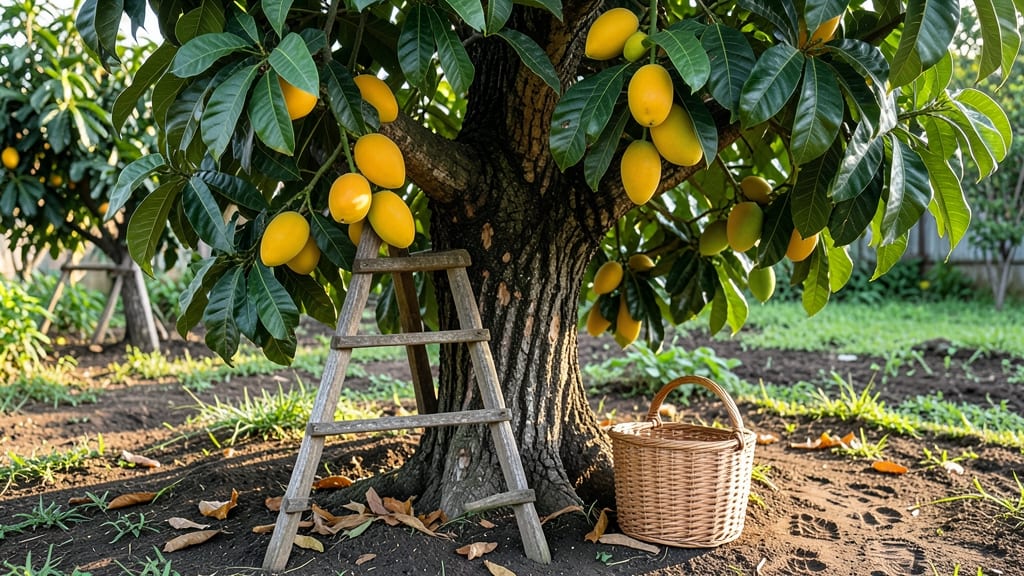
The mango fruit season brings sweet, tropical flavors that transform summer into a feast—but timing is everything, and missing it means paying top dollar for less-than-perfect fruit.
If you’ve ever bitten into a juicy, perfectly ripe mango only to wonder when the next batch will hit stores—or how to pick the best ones—you’re not alone. The mango fruit season varies wildly by USDA zone, and mastering ripeness tricks can save you money, frustration, and even disappointment.
In frost-free zones like 10-11 (or warmer microclimates in 9b), mangoes ripen year-round, but peak harvests hit late spring to summer. Meanwhile, gardeners in marginal zones must plan carefully to enjoy homegrown 🥭 flavors at their best.
Below, I’ll break down when to expect mangoes by region, how climate affects ripening, and the easiest ripeness tests to guarantee perfect fruit every time—whether you’re shopping or growing your own.
Mango fruit season by USDA zone: when to expect harvests
Mangoes thrive in warm climates, but their harvest windows vary dramatically across USDA zones—from Florida’s early seasons to California’s later peaks. If you’re dreaming of homegrown mangoes or just want to time your grocery trips perfectly, knowing your USDA zone is key.
Even in cooler zones like 9b, microclimates and dwarf varieties can push harvests earlier or later.
Most commercial mangoes—like Tommy Atkins, Haden, and Ataulfo—rely on frost-free growing seasons (zones 10-12). However, heat waves or unexpected frosts can delay or ruin harvests.
For example, Florida’s Haden mangoes often ripen in June-July, while California’s Keitt varieties peak in August-September. Let’s break down the peak seasons by zone and variety.
| USDA Zone | Peak Harvest Months | Top Varieties | Climate Notes |
|---|---|---|---|
| Zones 10-11 | April–September | Tommy Atkins, Haden, Ataulfo | Year-round growth; heat waves speed ripening. |
| Zone 9b | June–August | Cogshall, Julie, Nam Dok Mai | Risk of late frost; needs microclimate protection. |
| Zone 8b | July–September (container-grown only) | Dwarf varieties (e.g., 'Ice Cream') | Requires winter protection; slow growth. |
| Zones 3-7 (Greenhouse) | Year-round (controlled) | Ataulfo, Kent (dwarf) | Artificial light/heat required; limited yield. |
| Zone 12 | March–October | Carrie, Edward, Haden | Extended season; minimal frost risk. |
In zones 10-11, mango trees produce two harvests per year—a small winter crop (February-March) and a larger summer crop (May-September). The Ataulfo variety, for example, ripens earliest in April-May, while Tommy Atkins peaks in July-August.
This overlap ensures year-round availability in grocery stores, but home gardeners in these zones should prune strategically to balance fruit load.
For zone 9b gardeners, timing is critical. A late spring frost (like the 2021 Texas freeze) can kill blossoms and delay harvests by 2-3 months.
If you’re growing Cogshall mangoes, expect fruit to ripen in June-July, but protect young trees with frost cloth or greenhouse covers during winter. Even a single night below 28°F can damage leaves, reducing next year’s yield.
In cooler zones (8b and below), mangoes are only viable in containers with winter protection. Dwarf varieties like 'Ice Cream' may produce tiny fruit in July-August, but expect slow growth and lower yields.
If you’re in zone 7, consider greenhouse cultivation—LED grow lights can extend the growing season by 3-4 months, pushing harvests into late summer.
Climate change is shifting mango seasons too. Warmer winters in zone 9 now allow earlier blooming, while droughts in zone 11 can delay ripening by 2-4 weeks.
To future-proof your harvest, choose drought-tolerant varieties like Keitt (zone 10+) or Julie (zone 9b) and mulch heavily to retain moisture. Even a 2-inch layer of wood chips can reduce water needs by 30% during dry spells.
If you’re buying mangoes, aim for local harvests—Florida’s peak (June-July) means cheaper prices, while California’s (August-September) offers firmer, longer-lasting varieties. For home gardeners, pollination is key: Mango trees are self-pollinating, but bees and wind improve fruit set.
Planting a second variety (like Haden + Ataulfo) can boost yields by 40% due to cross-pollination.
Pro tip: Track your tree’s first bloom—this predicts harvest time. In zone 10, blossoms in February mean fruit in June; in zone 9b, March blooms ripen in July. Use a garden journal to note bloom dates and adjust fertilizer schedules for next year.
A balanced 6-6-6 NPK in early spring encourages strong flowering, while potassium-rich feeds in summer sweeten the fruit.
🌱 Whether you’re in Florida’s heat or a California microclimate, understanding your mango season ensures juicy, homegrown success. Start with the right variety for your zone, protect against late frosts, and prune for airflow—your tree (and taste buds) will thank you!
How to pick the ripest mangoes: 5 proven ripeness tricks
Finding the perfect mango can feel like a treasure hunt—especially when you’re staring at a bin of fruits that all look similar but vary wildly in taste. The key lies in understanding science-backed ripeness indicators that go beyond just color.
Whether you're shopping at a farmers' market or grabbing groceries, these tricks will help you avoid the disappointment of underripe or overripe mangoes. Plus, I’ll share my foolproof method for ripening mangoes at home for that peak sweetness every time.
Mangoes are tropical fruits with a delicate balance of sugar content and texture. When ripe, they should yield slightly to pressure, smell sweet near the stem, and have a vibrant, consistent color.
But here’s the catch: some varieties ripen differently. For example, Ataulfo mangoes turn golden yellow, while Haden mangoes develop a red blush. Knowing these nuances is half the battle.
- 1 Color Consistency: Look for even coloring without green patches. A ripe mango’s skin should be deep yellow, orange, or red, depending on the variety.
- 2 Gentle Pressure Test: Press the fruit’s cheek near the stem. It should feel slightly soft but not mushy—like a ripe avocado.
- 3 Sweet Aroma: Sniff near the stem. A ripe mango emits a fruity, floral scent. If it smells dull or fermented, it’s past its prime.
- 4 Stem Test: Twist the stem gently. If it comes off easily, the mango is ripe. If it resists, it needs more time.
- 5 Home Ripening: Place unripe mangoes in a paper bag with a banana or apple. Check daily—they’ll ripen in 2-5 days thanks to ethylene gas.
One of my biggest mistakes was buying mangoes that were too firm, only to discover they’d never ripen properly at home. The paper bag trick changed that—now I can buy slightly underripe mangoes and control their ripening process.
Ethylene gas from other fruits speeds up the process, but don’t overpack the bag or the mangoes will ferment. Aim for a loose fit and check them daily.
If you’re still unsure, here’s a pro tip: Compare two mangoes side by side. The riper one will have a darker color, a sweeter smell, and will yield more easily to pressure.
This method works like a charm at farmers' markets, where you can often find mangoes picked at the perfect moment but not yet fully ripe.
Once you’ve mastered these tricks, you’ll never settle for a bland or mealy mango again. The next time you’re at the store, grab a few that meet these criteria, and treat yourself to the ultimate tropical snack. Trust me, your taste buds will thank you.
🌱