
Trees
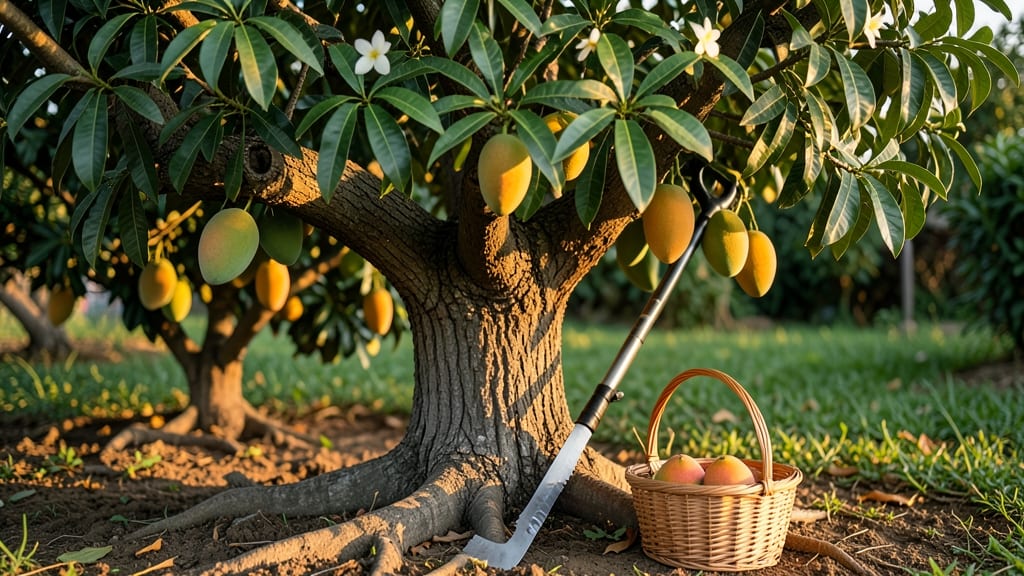
Mango season in Mexico spans from late April through September, with regional peaks—Sinaloa and Sonora kick off early, while Michoacán and Guerrero hit their prime in June and July. The best way to judge ripeness is through vibrant color, sweet aroma, and a gentle yield when pressed.
Mexico’s mango season is a vibrant spectacle that transforms from coastal regions to highland areas as temperatures shift. 🌿 The northern states like Sinaloa and Sonora deliver early harvests, perfect for those craving summer flavors by May, while Michoacán—Mexico’s top producer—reaches its peak in June and July, offering the juiciest varieties.
What’s fascinating is how altitude plays a role: higher elevations in Guerrero produce later-season mangoes with a slightly tangier profile, balancing the sweetness of their lower-altitude counterparts.
When shopping for Mexican mangoes, focus on three key indicators: a deep yellow or orange hue (never green), a fragrant scent at the stem, and a slight give when pressed gently.
For unripe fruit, placing it in a paper bag with a banana speeds up ripening—thanks to the ethylene gas exchange. I’ve found that storing mangoes at room temperature until fully ripe, then refrigerating, preserves their flavor for up to a week.
💡 In This Article
- Mexico’s Mango Regions and Their Harvest Timelines
- How to Pick the Ripest Mexican Mangoes at Markets
Mexico’s mango regions and their harvest timelines
Mexico’s mango production is a geographical puzzle where climate, altitude, and regional microclimates dictate when and how the fruit ripens. The northern states of Sinaloa and Sonora kick off the season as early as late April, thanks to their warm coastal climates and long daylight hours.
These areas produce varieties like the Keitt and Tommy Atkins, known for their thick skins and balanced sweet-tart flavor. The heat here accelerates ripening, but the fruit often needs a few weeks to develop full sugar content after harvest.
By contrast, Michoacán—the country’s top mango producer—hits its peak in June and July, thanks to its high-altitude valleys and ideal rainfall patterns. The region’s Ataulfo variety, nicknamed the "king of mangoes," thrives here, developing its signature golden hue and ultra-sweet, almost creamy texture.
The cooler nights in Michoacán’s highlands (around 1,500-2,000 meters elevation) slow sugar conversion, resulting in fruit that’s less prone to overripening. Meanwhile, Guerrero’s late-season varieties, like the Osteen, ripen in August and September, offering a tangier profile due to the region’s higher humidity and later rains.
Altitude isn’t just about timing—it shapes flavor too. Mangoes grown at higher elevations, like those in Guerrero, tend to have 10-15% more fiber and a slightly firmer texture, which translates to a longer shelf life and a more complex taste.
The cooler temperatures at these altitudes also reduce the risk of fungal infections, a common issue in Mexico’s tropical lowlands.
This is why Guerrero’s late-season mangoes often fetch higher prices at markets—they’re prized for their balance of sweetness and acidity, making them ideal for both fresh eating and culinary uses like salsas and smoothies.
What’s fascinating is how these regional differences play out in grocery stores. If you’re shopping in May, you’ll likely find Sinaloa’s early varieties, which are firmer and less sweet but hold up well during shipping.
By July, Michoacán’s Ataulfo mangoes dominate, their vibrant color and aroma making them the star of fruit stands. 🌟 The key is to time your purchases: early-season mangoes are better for cooking, while peak-season fruit is perfect for eating fresh, straight off the tree.
Climate also affects ripening speed. Northern regions like Sonora experience dry, hot summers that can cause mangoes to ripen unevenly, while Michoacán’s more moderate climate ensures consistent sweetness.
This is why Michoacán’s mangoes often have a higher brix value (a measure of sugar content) of 18-22°, compared to 14-16° in Sonora’s fruit.
For home growers or market shoppers, this means Michoacán’s mangoes are the gold standard for fresh eating, while other regions offer better options for storage and cooking.
Understanding these regional nuances helps you plan your mango consumption. Early-season fruit is great for preserving (like drying or making mango powder), while peak-season mangoes are best enjoyed within 3-5 days of purchase.
If you’re lucky enough to find Guerrero’s late-season varieties, their tangy kick makes them perfect for spicy dishes or cocktails.