
Trees
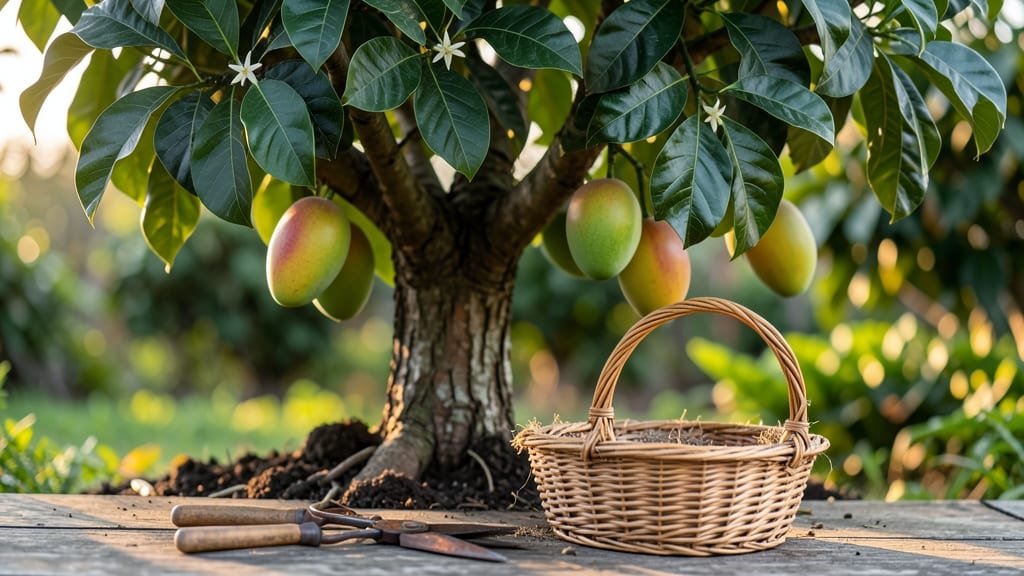
Mango season in Puerto Rico runs from May through August, with June and July marking the peak when fruit achieves its most flavorful, fragrant state. Local varieties like Tommy Atkins and Keitt shine during these months with their signature sweetness and vibrant hues.
Puerto Rico's tropical climate creates the perfect conditions for mangoes to ripen during these summer months. 🌿 The warm temperatures and consistent rainfall accelerate fruit development, while trade winds help distribute pollen for optimal pollination.
This natural cycle ensures mangoes reach their peak sweetness and aroma between June and July, making these the best months to enjoy them fresh or preserved.
During this season, you'll find the ripest mangoes at local markets like Plaza del Mercado in San Juan or farm stands in Guavate. Look for fruit with vibrant orange-yellow skin, a sweet fragrance at the stem, and just a slight give when gently pressed.
For home gardeners, harvest mangoes when they're still slightly firm—they'll continue ripening at room temperature for a few days after picking.
What makes Puerto Rican mangoes special is their balance of tropical sweetness and creamy texture. Many locals enjoy them fresh in smoothies or grilled with a touch of lime, while others preserve them in jams or dried chips.
The peak season's fruit often has a more intense flavor compared to off-season imports, making it worth seeking out when visiting the island.
💡 In This Article
- Climate Factors Affecting Puerto Rico Mango Ripening
- Best Local Markets and Ripeness Checks for Puerto Rican Mangoes
Climate factors affecting puerto Rico mango ripening
Puerto Rico's mango trees thrive thanks to a combination of tropical trade winds and consistent humidity levels that range between 70-85% during peak season. These winds create ideal conditions for pollination while preventing excessive heat stress on the fruit.
The island's average temperature during June and July hovers around 80-85°F—perfect for mango trees, which prefer 75-90°F for optimal fruit development. 🌿
Rainfall patterns play a crucial role too. Mango trees need about 40-60 inches of rain annually, with slightly drier conditions during flowering (March-April) to prevent fruit rot. The trade winds that sweep across the Caribbean also help distribute pollen, ensuring consistent fruit set.
What's fascinating is how these winds create microclimates across the island—coastal areas like Guavate often produce sweeter fruit than inland regions due to the ocean's moderating influence.
The flavor development happens through a process called "ripening respiration," where the fruit converts stored starches into sugars. At 80°F, this process accelerates, giving Puerto Rican mangoes their signature sweetness (often 18-22° Brix—a measure of sugar content) by June-July.
Harvesting too early or too late can disrupt this balance—fruit picked too green lacks sweetness, while overripe mangoes develop fermented notes. 🍯
Temperature fluctuations also matter. Nighttime temperatures dropping below 68°F can stress the trees, while daytime highs above 90°F may cause sunburn on the fruit's skin. Puerto Rico's stable climate minimizes these extremes, ensuring consistent quality.
The island's volcanic soil adds minerals that enhance the fruit's natural sweetness, creating mangoes with a unique depth of flavor compared to tropical regions with different soil compositions.
What most people don't realize is how the island's topography affects ripening. Higher elevations like the Cordillera Central produce fruit with slightly more acidity, while coastal areas yield sweeter varieties. This geographical variation explains why you'll find different mango characteristics even within the same peak season.
Farmers time their harvests carefully—typically every 10-14 days—to capture the window when sugar content peaks while the fruit remains firm enough for transport.
Consider these key climate factors when evaluating mango quality:
- Trade winds: Essential for pollination and preventing heat stress
- Humidity: Maintains 70-85% range for optimal fruit development
- Temperature: Ideal 75-90°F range during growing season
- Rainfall: 40-60 inches annually with drier flowering periods
- Soil minerals: Volcanic composition enhances natural sweetness