
Vegetables
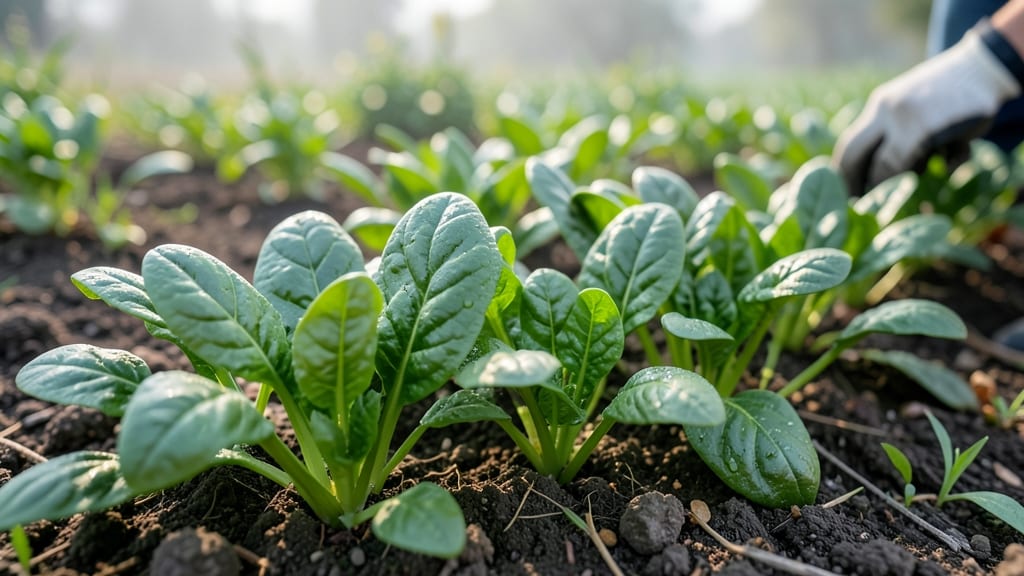
March brings fresh, vibrant vegetables that mark the transition from winter to spring. These 10 peak-season produce picks deliver bold flavors, nutritional benefits, and perfect timing for early gardening and meal planning.
Fresh Asparagus Spears with Tender Shoots
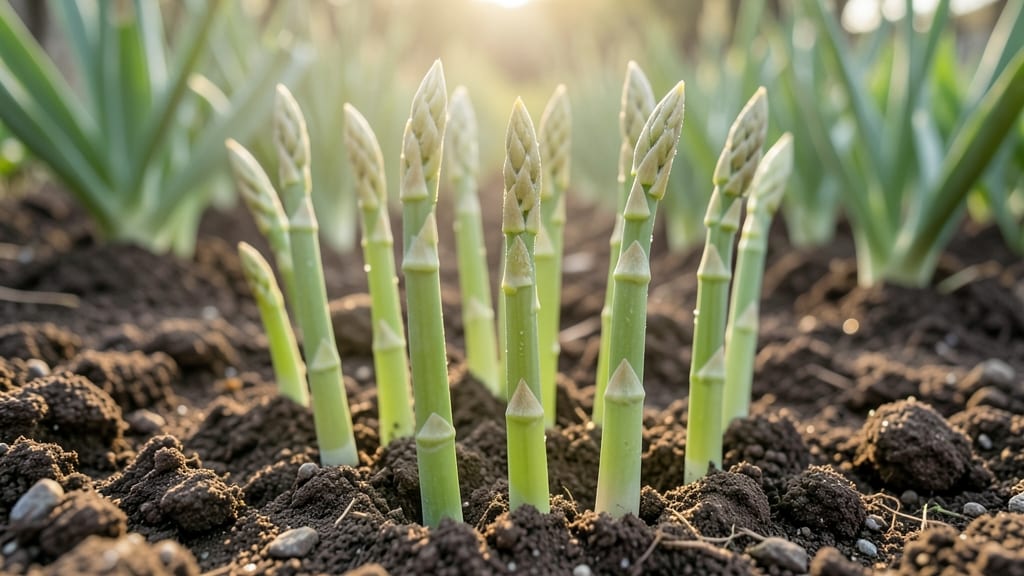
March’s first harvest excitement comes from asparagus spears, emerging from the soil as tender shoots that promise the season’s first true gourmet treat. These young shoots—harvested just 6-8 inches tall—offer a delicate, sweet flavor that mellows into the robust, fibrous taste of summer varieties.
For peak tenderness, harvest spears when they’re about 6-8 inches tall and still tightly closed. Plant Mary Washington or Jersey Knight varieties in well-drained soil with plenty of compost, and space crowns 12-18 inches apart. The key to success? Patience—it takes 2-3 years for crowns to establish, but once they do, they’ll produce for 15+ years with minimal care.
Gardeners in cooler climates should start asparagus in early spring, while those in warmer zones can plant in fall. The early harvest makes it perfect for roasting, grilling, or stir-frying before summer varieties dominate. 🌱
Sweet Baby Carrots with Green Tops
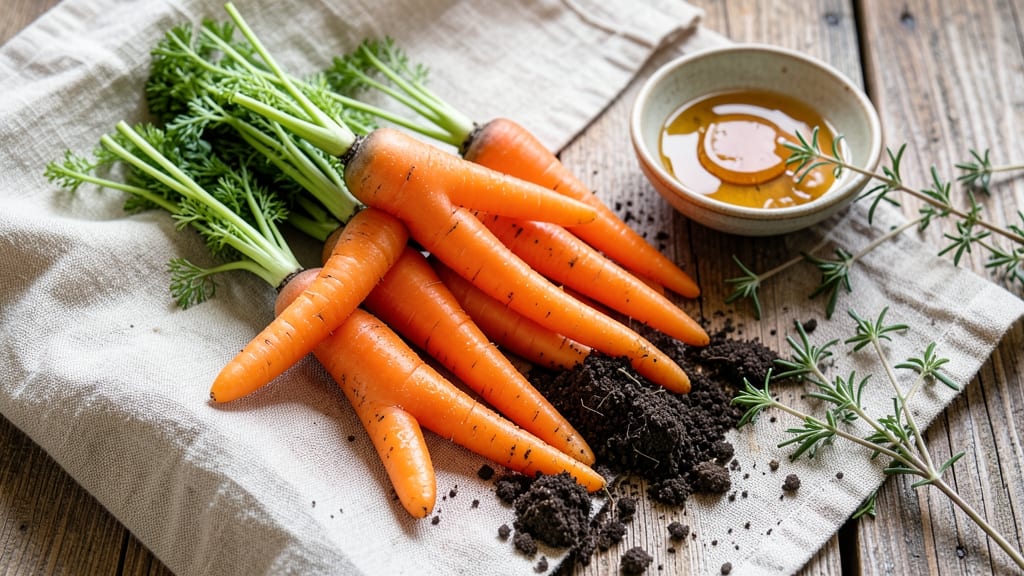
March’s sweet baby carrots are a hidden gem—harvested early for their tender, naturally sweeter flavor before they grow woody. These bite-sized roots (just 1-2 inches long) are perfect for snacking straight from the garden, tossing into salads, or roasting with honey and thyme, while their edible green tops add a peppery crunch and extra nutrients like vitamin K.
For best results, plant Danvers or Paris Market varieties in well-drained soil with full sun (6+ hours) and keep the soil consistently moist. The greens can be harvested separately or left attached—they’ll stay tender if you pick them young. These carrots thrive in cool March temperatures (40-65°F) and can even handle light frosts, making them one of the most reliable early spring crops.
Urban gardeners and beginners will love how forgiving these are—they grow quickly (60-70 days to harvest) and don’t require deep soil like mature carrots. Plus, the vibrant orange-and-green color makes them a showstopper in any dish or garden bed. 🌱
Crisp Radishes in Rainbow Colors
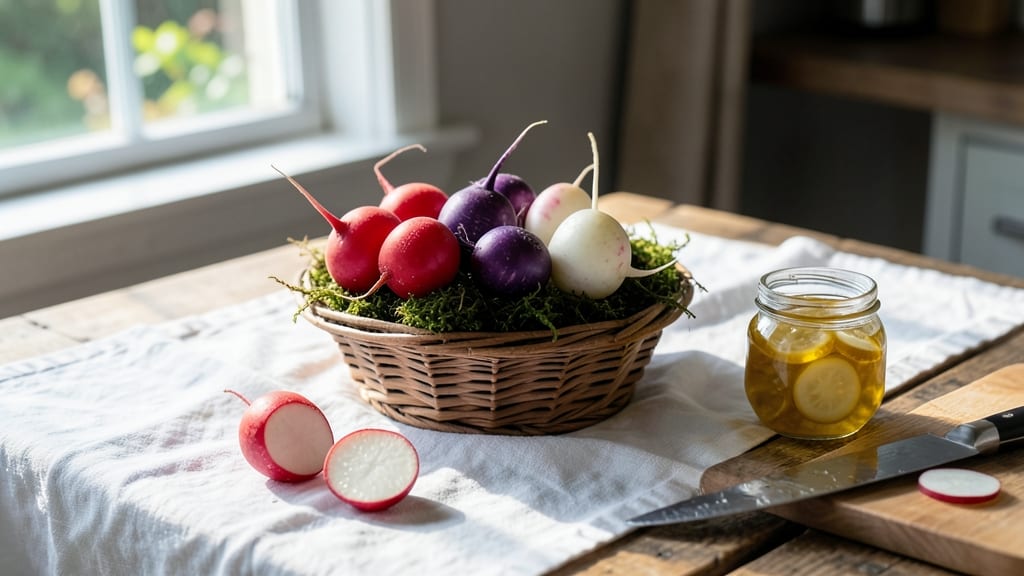
If you’re craving a quick, colorful harvest this March, radishes deliver in just 25-30 days—the fastest vegetable you’ll grow. Their vibrant red, purple, and white varieties add visual flair to any plate while packing a peppery crunch that brightens salads, sandwiches, or pickled jars.
Sow seeds directly in well-drained soil with full sun (6+ hours daily), spacing them 1 inch apart. For continuous harvests, plant successive batches every 2 weeks. Varieties like ‘Cherry Belle’ (red) or ‘White Icicle’ (mild) suit beginners, while ‘French Breakfast’ adds bold color and heat. Thin seedlings to avoid overcrowding—crowded radishes grow woody and pithy.
Urban gardeners and kids will love radishes—they’re perfect for small spaces and teach patience (and speed!) in gardening. Try growing them in containers or alongside slower crops like carrots to maximize space. 🌻
Tender Leaf Lettuce for Salads
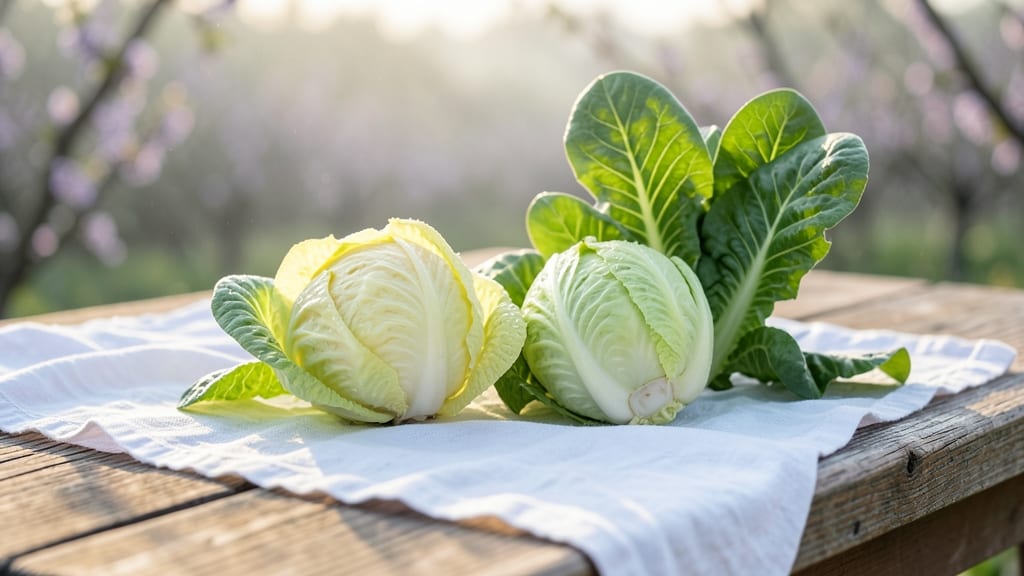
March’s crisp mornings are the perfect time to harvest butterhead and romaine lettuce, which reach their sweetest, most tender state this month. These varieties aren’t just any salads—they’re the stars of spring meals, offering a delicate crunch and buttery texture that summer lettuces can’t match.
For the best results, plant heirloom varieties like ‘Buttercrunch’ or ‘Black Seeded Simpson’ romaine, which hold their flavor longer and resist bolting in warm spells. Space plants 8-12 inches apart in well-draining soil and keep them consistently moist to prevent bitterness. Harvest outer leaves first to encourage continuous growth, and store in a plastic bag with a paper towel to maintain crispness for up to a week.
This is your chance to elevate simple salads with restaurant-quality greens—ideal for gardeners who love fresh, homegrown ingredients without the fuss of high-maintenance crops. 🌱
Earthy Fava Beans for Harvesting
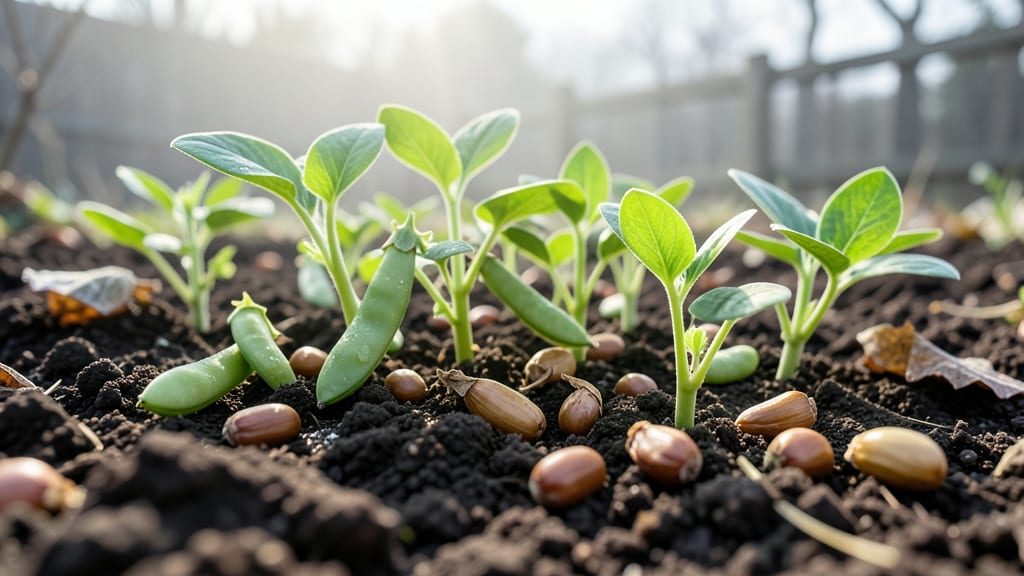
Looking for a protein-packed spring crop that’s easy to grow and packed with flavor? Fava beans are your secret weapon—these broad, flat pods deliver both sweet young beans and hearty mature seeds perfect for hummus or stews.
Sow seeds directly in cool March soil (60-70°F) after the last frost, spacing them 2-3 inches apart in rows 18-24 inches apart. They thrive in full sun to partial shade and tolerate poor soil, making them ideal for beginners or neglected garden corners. Harvest young pods (3-4 inches long) for tender eating or wait until pods bulge for mature beans.
Fava beans also fix nitrogen in the soil, improving beds for future crops. Perfect for urban gardeners or small spaces—just ensure they have 6 hours of sun daily. 🌱
Mild Pea Shoots for Garnishing
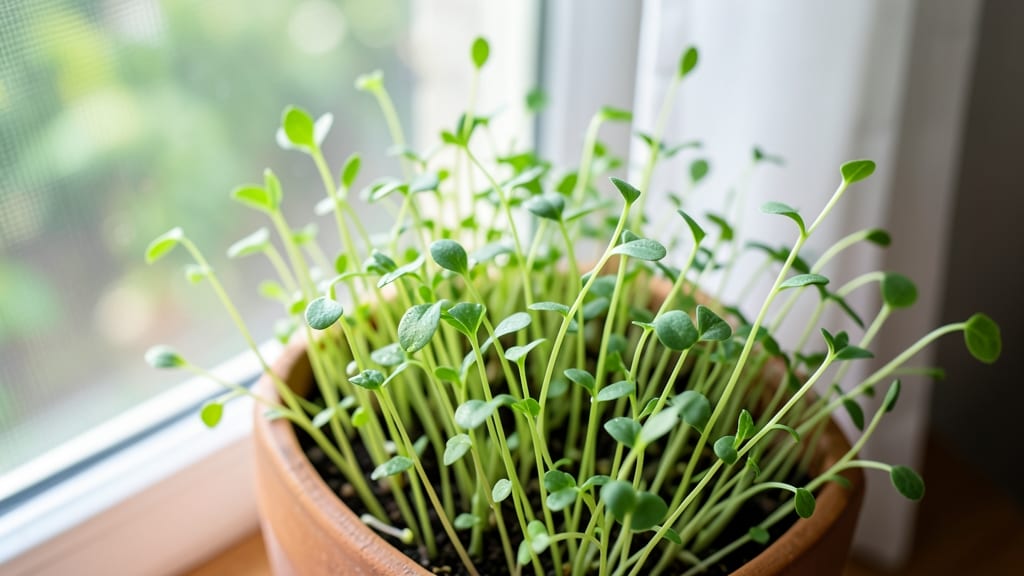
Skip the wait for full-grown peas—pea shoots are your March secret weapon for instant freshness and vibrant color. These tender, sweet-tasting greens grow in just 2-3 weeks from seed, making them perfect for balcony gardens or windowsills.
Harvest shoots when they’re 4-6 inches tall by snipping with clean scissors, leaving at least 2 inches of growth to encourage regrowth. For maximum tenderness, sow seeds every 2 weeks in well-draining soil with 6 hours of sun. Their mild flavor and delicate texture make them ideal for garnishing salads, soups, or sandwiches—no cooking required!
Urban gardeners and small-space growers will love how pea shoots thrive in containers, delivering continuous harvests with minimal effort. 🌱
Hearty Cabbage for Fermenting
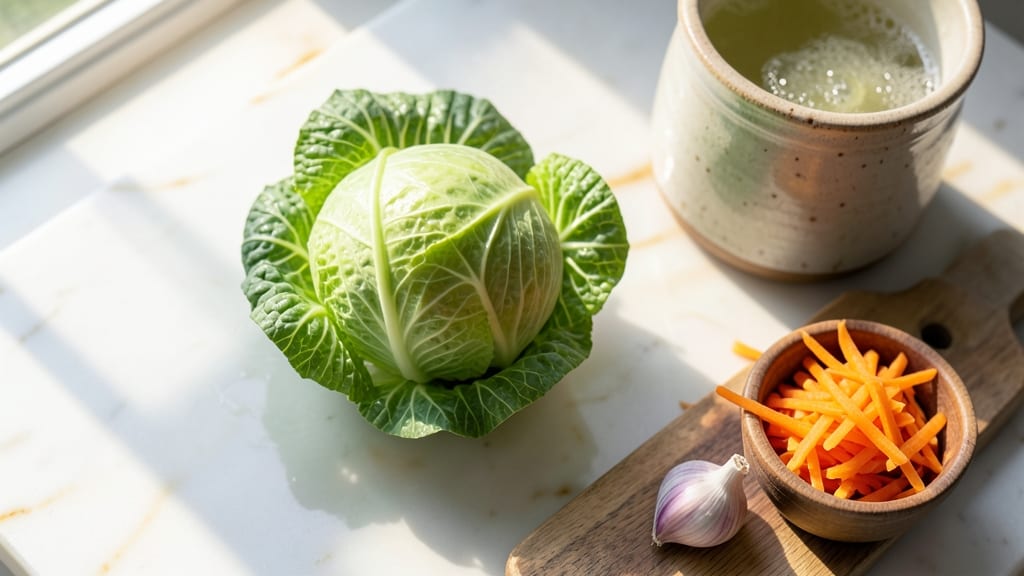
March’s cabbage isn’t just any cabbage—it’s the sweetest, most tender of the year, perfect for fermenting or fresh dishes. Unlike tough winter varieties, these spring heads have a crisp texture and mild flavor that shine in sauerkraut, coleslaw, or quick stir-fries.
For home fermenters, choose compact varieties like ‘Golden Acre’ or ‘Red Express’ for easier handling and consistent results. Plant in well-draining soil with full sun (6+ hours daily), and harvest when heads feel firm but not rock-hard. The earlier you plant, the sweeter the cabbage—ideal for late-March starts in most climates.
This is the fermenter’s secret weapon: March cabbage’s natural sugars feed beneficial bacteria during fermentation, creating probiotic-rich sauerkraut with less bitterness. Perfect for small-space gardeners or anyone eager to preserve spring’s freshest flavors. 🌱
Crunchy Celery Root (Celeriac)
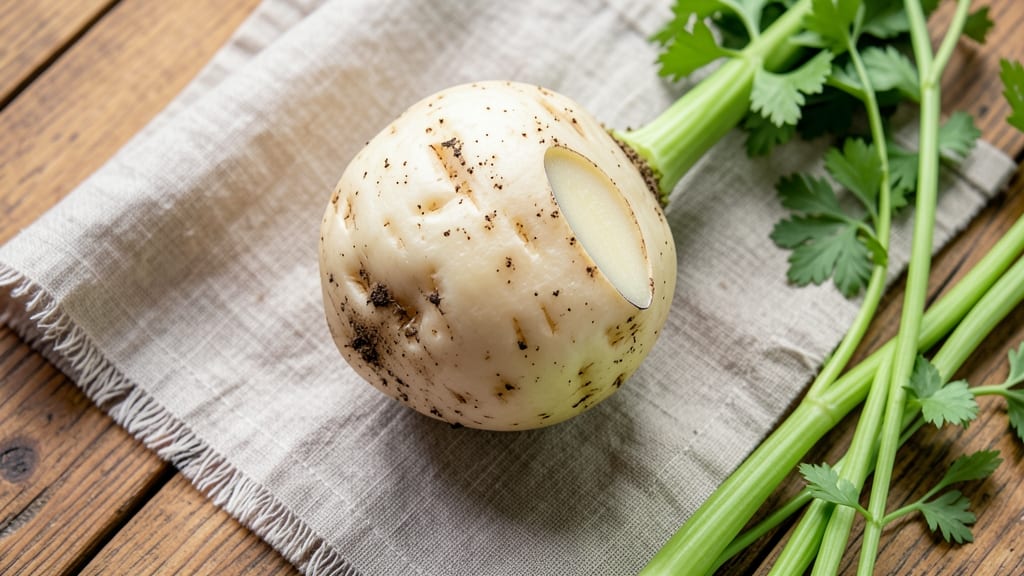
Looking for a root vegetable that’s as nutritious as it is versatile? Celeriac, or celery root, is your answer—a hidden gem with a mild celery flavor and a texture that rivals potatoes. Unlike its leafy cousin, this knobby root thrives in cool March weather, making it a perfect early spring addition to your garden or kitchen.
This hardy biennial grows best in well-drained soil with consistent moisture, and its 120-150 day maturity means you’ll have harvests ready by late summer. The roots store well in cool, dark places for months, so you can enjoy their crunchy goodness long after planting. Try roasting it with olive oil or blending into soups for a silky, flavorful twist.
Gardeners in cooler climates will love celeriac for its disease resistance and ability to grow in partial shade. It’s also a great choice for beginners—just be sure to keep weeds at bay and harvest before the first frost for the best flavor. 🌱
Bright Green Garlic Scapes
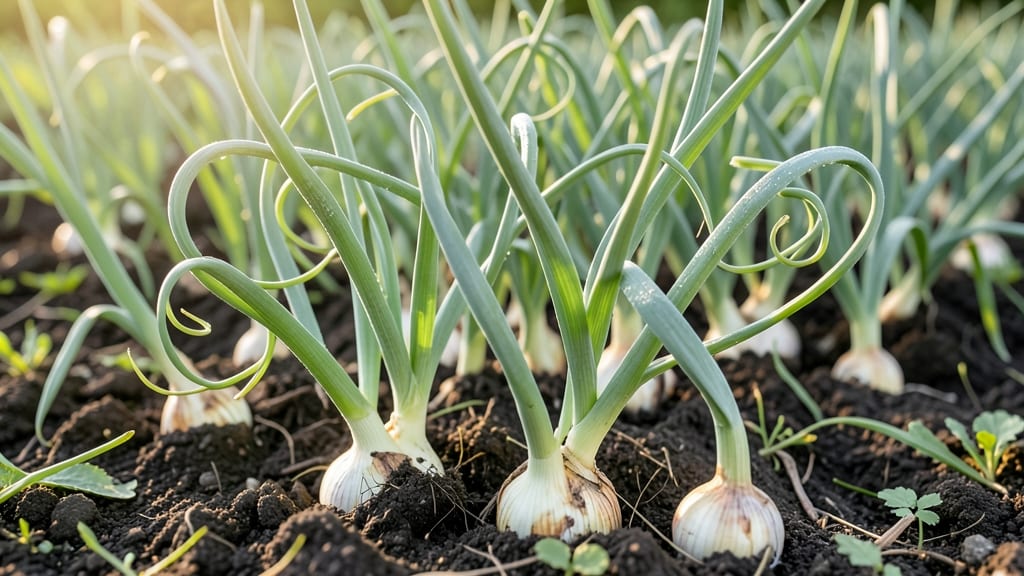
When your garlic plants send up those distinctive curly green scapes in late spring, don’t toss them—harvest them for a mild, sweet alternative to garlic bulbs. These edible stems peak in flavor when harvested before the bulbs mature, offering a unique harvest that extends your garlic season.
To use them, simply snip the scapes at the base when they reach 12–18 inches long. Store them in the fridge for up to a week or dry them for long-term use. Their milder, onion-like taste makes them perfect for pesto, stir-fries, or as a garnish—think of them as nature’s fresh garlic substitute. Plus, removing scapes encourages larger bulb development below ground.
Urban gardeners and small-space growers will love garlic scapes—they thrive in containers and require minimal care. Try growing a few plants this March for a dual harvest: scapes in spring and bulbs in summer. 🌱
Early Spring Spinach Leaves

March’s spinach stands out as a nutritional powerhouse, packed with iron and vitamins while avoiding the bitterness of summer varieties. This is your chance to grow tender, flavorful leaves that thrive in cool spring temperatures—ideal for gardeners eager to harvest before summer heat sets in.
Sow seeds directly in well-drained soil with partial shade to full sun (3-6 hours of light daily) for best results. Harvest outer leaves first to encourage continuous growth, and space plants 4-6 inches apart to prevent overcrowding. Varieties like 'Baby’s Leaf Hybrid' or 'Bloomsdale Long Standing' deliver sweet, delicate leaves perfect for quick sautéing or blending into soups.
Urban gardeners and beginners will love how spinach grows quickly—ready in just 30-40 days. Its versatility makes it a staple for nutrient-dense meals, and its cold-hardy nature means you can extend harvests into early spring or late fall. 🌱