
Plants
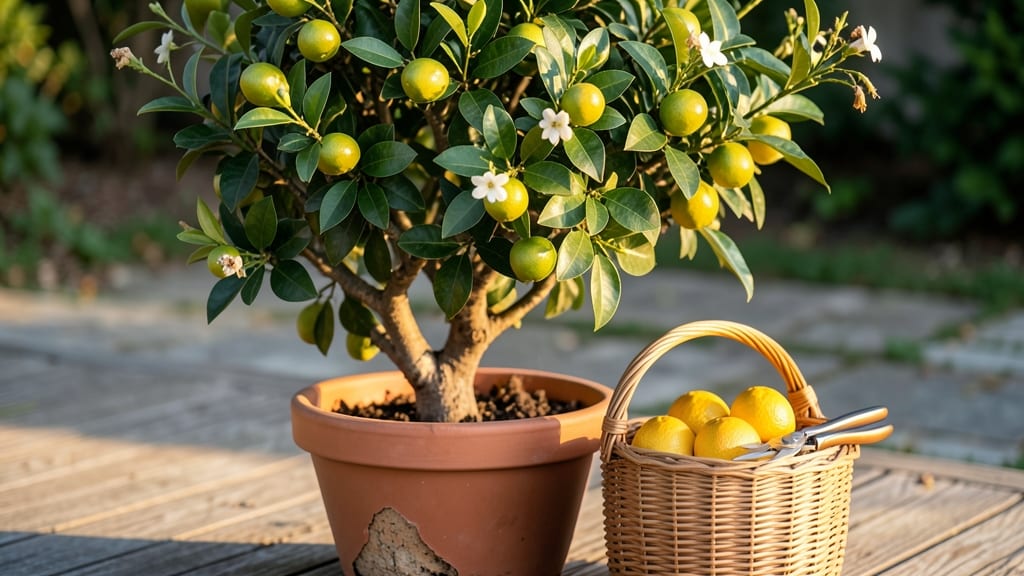
March offers seasonal fruits like citrus varieties such as oranges, grapefruit, and lemons, alongside stone fruits like peaches and plums in warmer areas, while apples and pears remain available from winter storage in cooler regions. Kiwis and passion fruit also reach their peak in select growing zones during this transitional month.
March's fruit bounty varies dramatically by climate zone, with citrus thriving in frost-free regions like Florida and California, where oranges and grapefruit shine brightest. 🍊 Meanwhile, stone fruits like peaches and plums begin ripening in milder subtropical areas, while apples and pears from winter storage maintain their crispness in temperate zones.
The Pacific Northwest, for example, might still enjoy late-winter apples, whereas southern states can already find early peaches. This seasonal shift creates a fascinating geographic mosaic where your location determines what's freshest on your table.
For maximum freshness, store citrus fruits like oranges and grapefruit at room temperature until ripe, then refrigerate to extend their shelf life. Stone fruits like peaches release ethylene gas, so store them separately from other produce in the fridge to prevent premature ripening.
Apples and pears, on the other hand, benefit from cool, humid storage—either in the crisper drawer or a basement—where they can last for weeks. For longer preservation, try freezing sliced peaches or drying citrus peels for zesty seasoning.
💡 In This Article
- Climate-Driven March Fruit Season Variations
- Storing March Season Fruits for Maximum Freshness
Climate-driven March fruit season variations
March's fruit availability is a direct result of temperature zones and their unique growing conditions. Citrus fruits like oranges and grapefruit thrive in subtropical climates where winter temperatures rarely drop below 20°F. Florida's frost-free winters create ideal conditions for these fruits, with peak harvests often continuing into early spring.
Meanwhile, California's Mediterranean climate allows citrus to flourish in regions like the Central Valley, where 80-90°F days and minimal frost create perfect growing conditions.
The emergence of stone fruits like peaches and plums in March marks the transition to warmer weather in subtropical and lower temperate zones.
These fruits require 100-200 chill hours (below 45°F) to break dormancy, which explains why they appear first in milder regions like Georgia or South Carolina before moving north.
In contrast, the Pacific Northwest's cooler climate (USDA Zone 7-8) keeps stone fruits dormant longer, delaying their appearance until late spring or summer.
Apples and pears from winter storage represent a fascinating adaptation to colder climates. These fruits are harvested in late summer or fall when temperatures are 60-75°F but can remain in cold storage (32-40°F) for months.
In the Pacific Northwest, where winter temperatures often drop below 30°F, these stored fruits maintain their crisp texture and sweet-tart flavor well into March, providing a reliable local option when fresh produce is scarce.
Kiwis and passion fruit offer another climate-driven contrast. Kiwis thrive in USDA Zone 8-10 regions like California and Hawaii, where they can be harvested year-round but peak in early spring.
Passion fruit, meanwhile, requires warm, humid conditions (75-85°F) and grows primarily in Florida and Southern California, where its sweet-tart flavor becomes most abundant in March before summer heat reduces yields.
What's particularly interesting is how these climate patterns create a natural progression of flavors throughout March. Early in the month, you might find citrus dominant in warmer regions, while cooler areas still enjoy stored apples.
By late March, stone fruits begin appearing in milder zones, creating a delicious transition from tart citrus to sweet stone fruits. This geographic diversity means your fruit basket can change dramatically depending on where you live.
For example, a resident of Miami might enjoy fresh grapefruit and passion fruit in early March, while someone in Seattle could still be savoring crisp apples from winter storage. This variation isn't just about availability—it's about how different climates influence flavor development.
Citrus grown in Florida's warm winters tends to be sweeter than its California counterparts, while Pacific Northwest apples develop complex flavors during their long winter storage.