
Planting
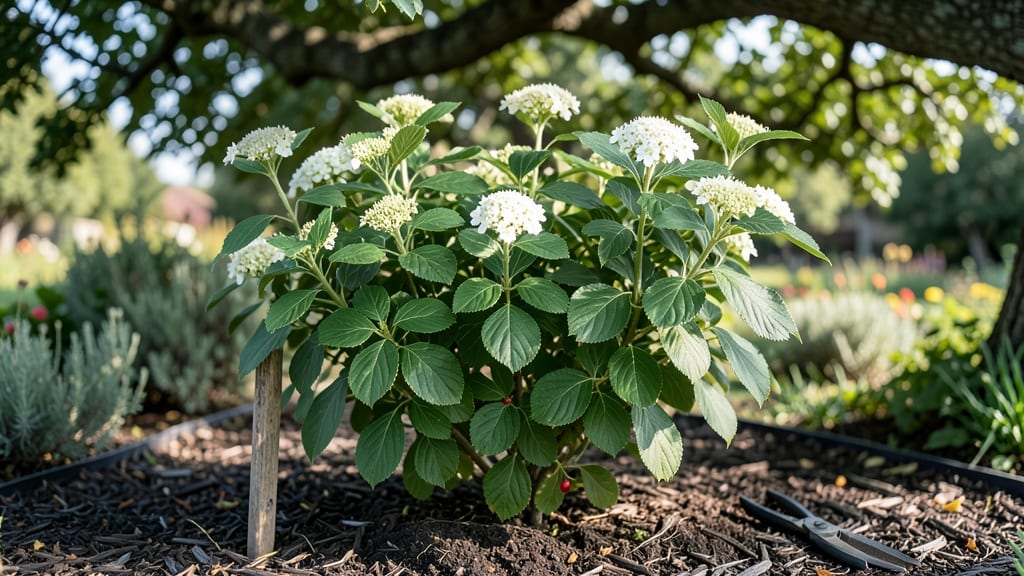
Maryland’s USDA zones range from 5 through 8, with most areas falling in Zones 6 and 7, where temperatures dip to 15–30°F in winter and climb to 85–95°F in summer. Coastal regions typically sit in Zone 7b, while western mountain areas extend into Zone 5b. Planting schedules shift accordingly: spring crops can start as early as March, while fall planting must wrap up by mid-October.
Understanding Maryland’s USDA zone map helps gardeners choose plants that thrive in their specific microclimate. The state’s varied geography—from the Atlantic shoreline to the Appalachian foothills—creates distinct growing conditions.
For example, Baltimore’s urban heat island effect can push temperatures higher than rural areas, while higher elevations in the western counties experience earlier frost dates. These differences mean a plant perfect for Zone 7a in Annapolis might struggle in Zone 5b near Deep Creek Lake. 🌱
What’s especially useful is knowing how these zones translate to planting windows. In Zone 6, gardeners often start cool-season crops like broccoli or spinach in early March, while Zone 8 areas near the coast might wait until late March to avoid late frosts.
The mid-October deadline for fall planting applies to most of the state, but mountain gardeners in Zone 5 should aim for early September to ensure plants establish roots before winter.
💡 In This Article
- How Maryland’s Climate Affects USDA Zones 5–8
- Best Plants for Maryland’s USDA Zones 6 and 7
How Maryland’s climate affects USDA zones 5–8
Maryland’s diverse geography creates a patchwork of microclimates that shape its USDA zones. The state’s elevation ranges from sea level along the Chesapeake Bay to over 3,000 feet in the western mountains, where temperatures can drop 10°F colder than coastal areas.
This elevation gradient explains why western counties like Garrett and Allegany fall into Zone 5b, while coastal cities like Ocean City thrive in Zone 7b.
The Appalachian foothills act as a natural barrier, trapping cold air in valleys and creating frost pockets that can delay spring planting by 2-3 weeks compared to lower elevations.
The Atlantic Ocean plays a moderating role, especially in eastern Maryland. Coastal areas experience milder winters because ocean currents like the Gulf Stream keep temperatures 5-10°F warmer than inland locations.
This is why Zone 7b dominates the Eastern Shore and Baltimore metro area—plants here can handle brief dips to 5°F without damage, while inland Zone 6a gardeners face more frequent sub-zero nights. 🌊 Urban heat islands in cities like Baltimore also push zones upward by 0.5-1 zone due to concrete and asphalt absorbing heat, creating warmer microclimates where tropical plants like elephant ears can overwinter.
Seasonal shifts further complicate planting decisions. In Zone 5b mountain regions, the last spring frost typically arrives by May 15, while coastal Zone 7b areas see their final frost around April 15.
This one-month difference means gardeners in Garrett County must wait longer to plant heat-loving crops like tomatoes, which need soil temperatures above 60°F.
Conversely, fall planting deadlines vary too—mountain gardeners should finish by September 15, while coastal gardeners have until mid-October to establish cool-season crops before winter sets in.
Even within the same zone, local conditions create surprises. For example, the Catoctin Mountains near Frederick experience Zone 6a temperatures overall, but north-facing slopes can drop into Zone 5b conditions. Meanwhile, the Patuxent River valley often enjoys Zone 7a warmth despite being inland.
These variations mean gardeners should observe their specific location for 3-5 years to identify their true microclimate—planting based solely on the USDA map can lead to frost damage or failed crops.
Understanding these climate factors helps explain why some plants thrive in one Maryland county but struggle just 50 miles away. For instance, peach trees (Zone 5-8) grow well in Zone 7b coastal areas but may suffer winter dieback in Zone 5b mountain regions.
Similarly, blueberries (Zone 3-7) flourish in western counties but may experience heat stress in Zone 7b summers. The key is matching plants to your specific zone’s temperature extremes and seasonal patterns.
For practical application, consider these climate-driven planting rules: In Zone 6, wait until after the average last frost date (typically April 15) to plant tender annuals like marigolds.
In Zone 7b, you can push the envelope with tropical plants like hibiscus, but protect them with mulch during cold snaps. The coastal advantage extends to citrus trees, which can survive winters in Zone 7b with proper shelter, while they’d perish in Zone 6.