
Container Gardens
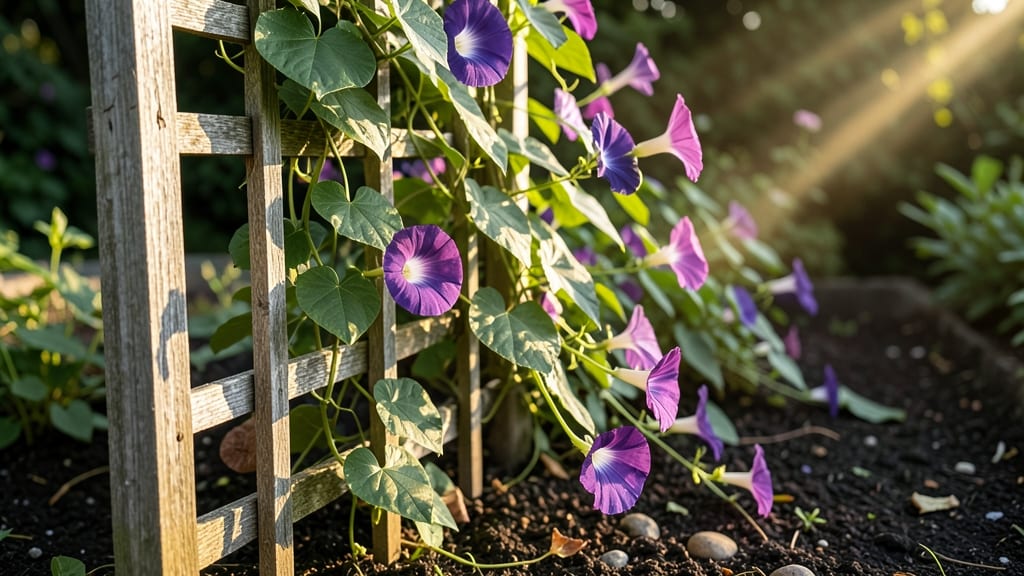
Morning glory season brings those dreamy, trumpet-shaped blooms 🌸 that turn any garden into a fairy-tale escape—but getting the timing right is the secret to nonstop color.
Picture this: you plant your seeds in early spring, only to watch them wilt by summer’s end because you missed the ideal window for your zone. Or worse, you’re left with leggy vines and no flowers because you didn’t account for heat or frost.
The difference between a showstopper garden and a flop often comes down to knowing when and where to plant these fast growers.
From the deep South’s long, steamy summers to the short growing seasons of the North, morning glories thrive under very different conditions. Some varieties bloom in just 60 days, while others need a full season to reach their peak.
I’ll break down the best planting months for your region, how to stretch the blooming season, and the simple tricks that keep your vines climbing and flowering until frost.
Ready to turn your fence, trellis, or balcony into a vertical burst of color? Here’s everything you need to make this the best morning glory season yet—no guesswork, just guaranteed blooms.
Best climates and regions for morning glory season
Morning glories thrive in warm weather and struggle with frost, making USDA hardiness zones 6-11 their ideal home. These fast-growing vines love hot summers and long growing seasons, but their exact planting window varies dramatically across regions.
In the deep South (zones 8-11), you can plant as early as February, while northern gardeners (zones 5-6) should wait until after the last frost date, typically late April to May.
Tropical climates like Florida, Hawaii, and Southern California offer nearly year-round growing potential, but even here, heat tolerance varies by variety. Some types, like heavenly blue morning glory, handle 90°F+ temperatures beautifully, while others may wilt without afternoon shade.
Meanwhile, cooler temperate zones (zones 4-5) require frost protection and often treat morning glories as short-season annuals.
Here’s how to match your region to the perfect morning glory season for maximum blooms:
In southern climates, morning glories can suffer from heat stress if not given proper care. I’ve found that mulching heavily and providing afternoon shade (especially for white varieties) keeps vines thriving through 100°F+ days.
For drought-prone areas, opt for 'Scarlet O’Hara' or 'Fountain of Youth', which are more heat-tolerant than delicate blues.
Northern gardeners face a different challenge: short growing seasons.
To maximize blooms, I recommend starting seeds indoors 4–6 weeks before the last frost or using row covers to create a microclimate. Dwarf varieties like 'Dwarf Blue Star' (3–6 feet tall) are perfect for USDA zone 4 gardens, as they bloom faster and tolerate cooler temps better than standard types.
For container gardens in cooler zones, I’ve had success with 5-gallon pots placed on patio heaters or near sunny windows. This extends the season by 2–3 weeks while keeping vines happy. Just ensure pots have drainage holes and use lightweight potting mix to prevent root rot.
One of my favorite tricks for prolonging morning glory season is succession planting. In zones 7–10, I sow new seeds every 2–3 weeks from March to July.
This creates a continuous bloom display from May through October, even in areas with hot summers that might otherwise cause early wilting.
If you’re in a transition zone (zones 6–7), pay close attention to nighttime temperatures. Morning glories can handle daytime highs of 95°F, but cool nights below 50°F slow growth and reduce blooms. I’ve found that
Step-by-step guide to planting morning glories by season
Morning glories thrive when planted at the right time, but their fast-growing nature means you can still enjoy blooms even with late starts. In USDA Zones 6-10, the ideal window is after your last frost date, typically March-May for most regions.
For cooler climates, start seeds indoors 4-6 weeks before transplanting outdoors.
These vines love well-draining soil with a pH of 6.0-7.0. Amend heavy clay with compost to improve aeration, and avoid soggy soil, which can cause root rot. Companion plants like marigolds or sunflowers help deter pests while attracting pollinators.
🌱 Morning Glory Season Planting Timeline
- Early Spring (Feb-March): Test soil pH and amend if needed. Start seeds indoors in biodegradable pots if your climate has late frosts.
- Late Spring (April-May): Direct sow seeds ½ inch deep in full sun locations after frost risk passes. Space seeds 6-12 inches apart for dwarf varieties or 18+ inches for standard vines.
- Early Summer (June): Install trellises or fences (6-10 ft tall) as vines reach 3-4 feet. Water deeply every 2-3 days during dry spells.
- Mid-Summer (July-August): Apply balanced fertilizer (5-10-10) monthly. Deadhead spent blooms to encourage continuous flowering. Watch for Japanese beetles and handpick if needed.
- Late Summer (Sept-Oct): In cooler zones, protect vines with row covers to extend blooming. Collect seeds from dry pods for next year’s garden.
For cooler climates, try succession planting every 2-3 weeks in late spring to stagger blooms. In hot southern regions, provide afternoon shade to prevent wilting. Morning glories are annuals, so plan to replant each year unless you’re in Zone 10+, where some varieties may self-seed.
Pro tip: Use black plastic mulch to warm soil faster in early spring. This speeds up germination and gives you 2-3 weeks of extra growing time. Always water at the base of plants to avoid fungal diseases like powdery mildew.
With the right timing and care, your morning glories will reward you with daily blooms from summer through early fall. The key is consistency—whether it’s watering, fertilizing, or pest control. Happy planting! 🌸