
Container Gardens
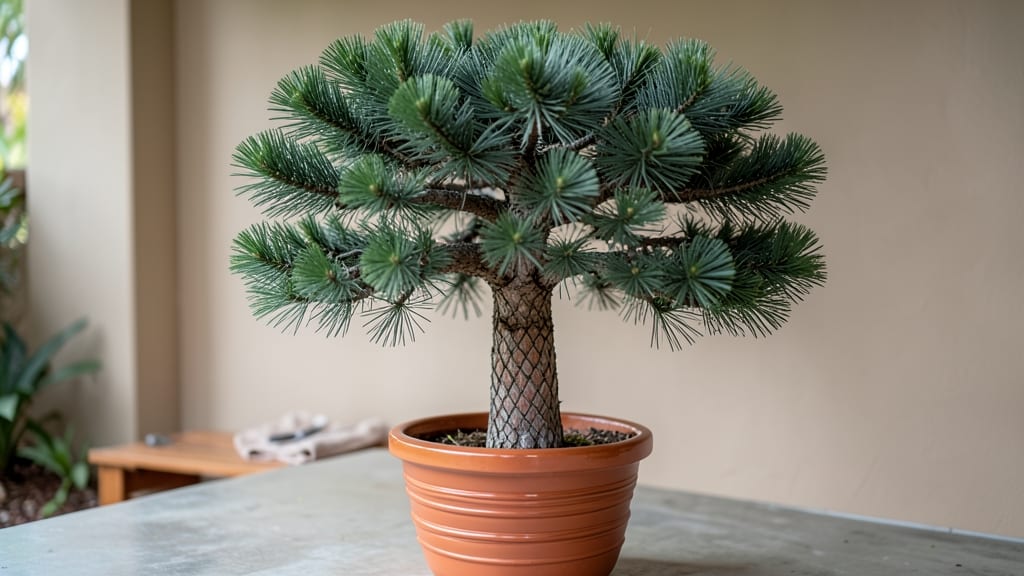
The Norfolk Island pine grows best in USDA zones 10 through 12, where frost is rare and temperatures stay consistently warm. Below 30°F (-1°C), its delicate needles suffer irreversible damage, so outdoor planting requires protective measures in cooler climates.
This tropical evergreen struggles outside its ideal range because its native habitat lacks seasonal temperature swings. 🌿 In zones 7–9, even brief cold snaps can cause browning needles or complete defoliation, though mature plants may recover if protected.
The real challenge isn't just the cold—it's the rapid temperature shifts that stress the plant's moisture balance, making indoor cultivation the safer bet for most gardeners.
For those in marginal zones, container growing with winter indoor relocation becomes essential. I've found that placing pots near south-facing windows during winter months helps maintain the 65–75°F (18–24°C) range these trees prefer, while also preventing the root shock that often follows outdoor exposure to freezing temperatures.
💡 In This Article
- Norfolk Island Pine’s Cold Sensitivity and Frost Damage Risks
- Indoor vs Outdoor Norfolk Island Pine Care by USDA Zone
Norfolk Island pine’s cold sensitivity and frost damage risks
The Norfolk Island pine's delicate nature stems from its tropical origins, where temperatures rarely drop below 60°F (15°C). When exposed to 30°F (-1°C) or lower, ice crystals form within its cells, rupturing membranes and disrupting nutrient flow—a process called cold acclimation failure.
This is why even brief cold snaps in zones 7–9 can cause irreversible damage, unlike hardy evergreens that develop protective antifreeze proteins.
Visual stress signs appear within 24–48 hours of frost exposure: needles turn brown at the tips, then progress inward, while older foliage may drop entirely. Humidity worsens the damage—dry air accelerates moisture loss, while high humidity can trap cold air against the plant.
In indoor settings, drafts from windows or vents create microclimates that mimic outdoor frost conditions, making consistent 65–75°F (18–24°C) temperatures critical for survival.
What most gardeners overlook is how rapid temperature fluctuations (common in spring/fall) stress the plant more than steady cold. A 10°F (5.5°C) drop within hours can cause physiological shock, even if final temps stay above 30°F (-1°C).
This explains why outdoor plants in zone 9 often recover from 28°F (-2°C) but fail at 32°F (0°C) with wind—windchill effectively lowers the "safe" threshold by 5–10°F (3–6°C).
Cellular damage occurs in three stages: first, plasma membrane disruption (visible as wilting); second, chloroplast degradation (needle browning); and finally, root system collapse if cold persists. Unlike deciduous trees, Norfolk Island pines can't shed damaged foliage—they lose entire branches, making recovery slower.
This is why professional growers recommend heated greenhouse conditions for zones 8–9 during winter, where 50°F (10°C) nighttime temps prevent membrane rupture entirely.
For comparison, a blue spruce (zone 3) can tolerate -40°F (-40°C) thanks to its abiesin compounds, while Norfolk Island pines lack these protective chemicals. Their native island climate averages 72°F (22°C) year-round with minimal seasonal variation—this explains why even 40°F (4°C) feels shockingly cold to them. 🌱
Pro tip: If you're in zone 8, monitor your outdoor plant's soil temperature—roots freeze at 35°F (2°C), even if air temps stay above 30°F (-1°C). Mulching with 3–4 inches of bark adds 5–10°F (3–6°C) of insulation, but won't fully protect during hard freezes.