
Blooming
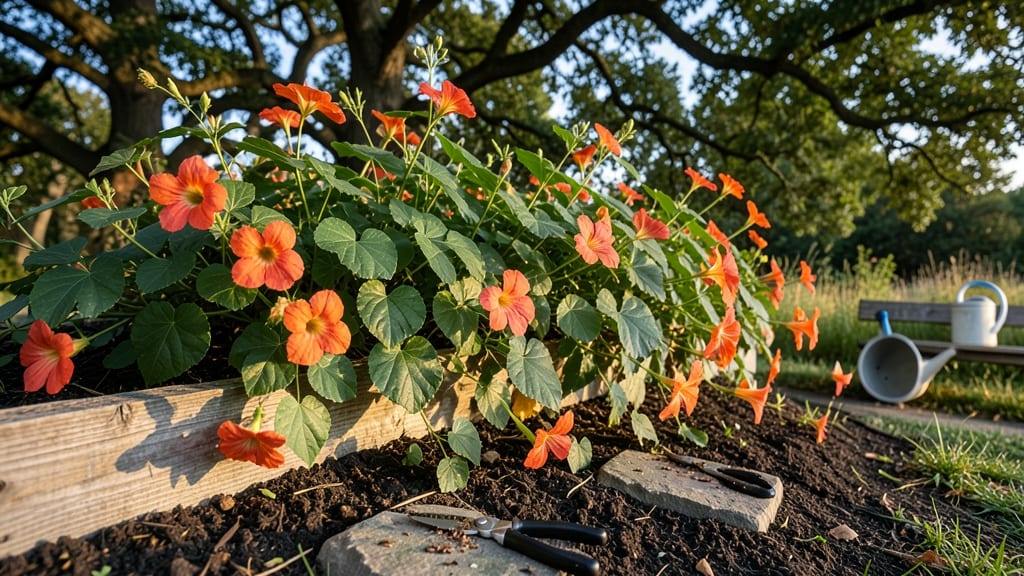
The orange trumpet vine flowering season spans from late spring to fall, when your garden bursts into vibrant orange blooms that hummingbirds can’t resist.
If you’ve ever watched your 🌺 Orange Trumpet Vine struggle to produce consistent flowers, you’re not alone. The key to nonstop blooms lies in understanding its natural cycle, adjusting care by zone, and avoiding common mistakes that cut flowering short.
In this guide, I’ll break down the exact timing for your USDA zone, how sunlight and pruning trigger more flowers, and simple tricks to extend the season—even in cooler climates.
By the end, you’ll know when to expect those stunning orange trumpets, how to coax them into blooming longer, and what to avoid if you want a vine that looks like a hummingbird magnet all summer.
Orange trumpet vine flowering season: natural timeline & climate zones
The orange trumpet vine (Campsis radicans) bursts into stunning bright orange blooms that dominate gardens from late spring through fall. Unlike many vines, it thrives in USDA zones 7-10, but its flowering window shifts dramatically based on your local climate and sun exposure.
In warmer zones, you might see blooms as early as April, while cooler areas may wait until June—and sometimes even July—for the first flowers to appear.
This vine is a sun-worshipper, demanding 6+ hours of direct sunlight daily to trigger its prolonged flowering season. Without enough light, blooms become sparse and short-lived, and the vine may even skip flowering entirely.
Temperature also plays a role: consistent warmth above 70°F keeps the blooms coming, while cool snaps or frost can shock the vine into dormancy, cutting the season short.
Here’s the catch: some orange trumpet vines flower sporadically, especially in less ideal conditions. This happens when the vine struggles with poor soil drainage, overcrowded roots, or lack of pruning.
The good news? With the right care, you can push that flowering season from 2-3 months to 5-6 months—or even year-round in the warmest zones.
| USDA Zone | Typical Bloom Start | Peak Bloom Period | Season End (Frost Risk) | Notes |
|---|---|---|---|---|
| Zone 7 | Late May - Early June | July - August | Late September (frost risk) | Shortest season; prune aggressively to extend blooms |
| Zone 8 | Early May - June | June - September | October (mild frost) | Longer season; may rebloom after pruning |
| Zone 9 | April - May | May - October | November (rare frost) | Near-year-round blooms possible with care |
| Zone 10 | March - April | April - November | December (no frost) | Continuous blooms; minimal dormancy |
In Zone 7, where I’ve grown orange trumpet vines, the first blooms appear in late May—just as the last frost date passes. The peak is a glorious July-August show, but by September, cooler nights start slowing production.
If you’re in Zone 8 or warmer, you’ll notice blooms start earlier and last longer, with some vines even reblooming after pruning in late summer.
Temperature isn’t the only factor—humidity and rainfall also play a role. In dry climates like Zone 9-10, the vine may bloom more prolifically because it’s not stressed by excess moisture.
Meanwhile, in humid zones like Zone 7-8, you might see fewer blooms if the vine struggles with powdery mildew or root rot. Always ensure your vine has well-draining soil to avoid these issues.
One of the most misunderstood aspects of orange trumpet vine care is pruning timing. If you prune too early in spring, you’ll cut off next year’s flower buds, which form on old wood.
Instead, wait until late winter or early spring (just before new growth starts) to shape the vine. This ensures you’re not sacrificing blooms for neatness.
For gardeners in cooler zones (Zone 7 and below), extending the flowering season requires strategic pruning and seasonal adjustments. After the first frost, cut back dead or damaged stems to encourage new growth that can reblo
How to trigger nonstop orange trumpet vine blooms: pruning & care hacks
Your orange trumpet vine (Campsis radicans) thrives when you time pruning and care right. The key to nonstop blooms lies in understanding its growth cycle—cutting at the wrong time can leave you with sparse flowers or no blooms at all.
I’ve learned through trial (and a few failed seasons) that late winter/early spring is the magic window for shaping this vigorous climber.
Start by removing dead or weak stems first—these are easy to spot as they’re brown, brittle, or hollow. Next, cut back last year’s growth by about one-third to encourage bushier, more productive branches.
The goal is to stimulate new growth from the base, which will flower more prolifically. Think of it like giving your vine a fresh start before the growing season kicks in.
⚠️ WARNING: Common Pruning Mistakes That Kill Blooms
⚠️ Over-pruning (cutting back more than 30%) stresses the vine, diverting energy away from flowering. Aim for selective cuts to maintain structure.
⚠️ Ignoring diseased wood spreads fungal issues like powdery mildew, which weakens the vine’s ability to produce vibrant blooms. Always sterilize pruners with rubbing alcohol between cuts.
Fertilizing plays a critical role in extending the flowering season. Use a balanced 10-10-10 fertilizer every 4-6 weeks during the growing season (April–September). I swear by applying it in early morning when the soil is moist—this helps nutrients absorb faster.
For extra-vibrant blooms, add a low-phosphorus fertilizer (like 5-10-10) in late summer to encourage more flowers instead of foliage.
Don’t forget seasonal adjustments! In cooler climates (Zones 6-7), your vine may go dormant earlier. To push blooms later in the season, mulch heavily around the base with compost or shredded bark to insulate roots.
In warmer zones (8-10), where vines can flower year-round, reduce watering slightly in fall to signal the plant to rest briefly before another bloom cycle.
Finally, water deeply but infrequently—orange trumpet vines hate soggy roots. Aim for 2 liters of water every 3-5 days during peak bloom (June–August), then taper off to bi-weekly in fall. This mimics natural rainfall patterns and prevents bud drop, which is when flowers fall off before opening.
A well-hydrated vine with proper pruning will reward you with months of continuous color.
With these pruning hacks and care tweaks, your orange trumpet vine will become a hummingbird magnet from late spring to early fall. The secret? Timing, patience, and a little extra love during its critical growing months. 🌺