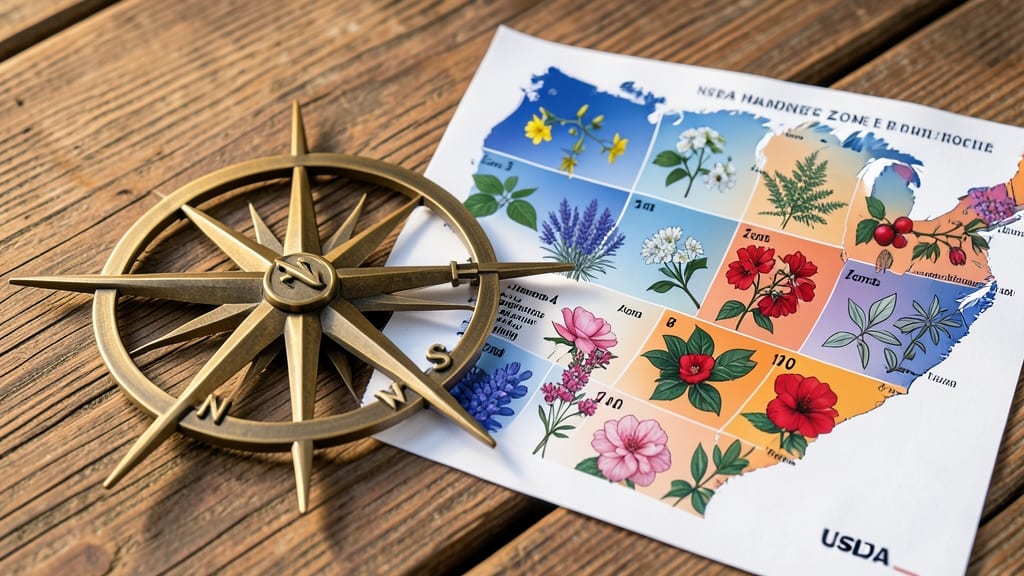
💥 Quick Answer Understanding gardening zones in North America helps you determine which plants will thrive in your region, using the USDA Plant Hardiness Zone Map that divides areas by average annual minimum…
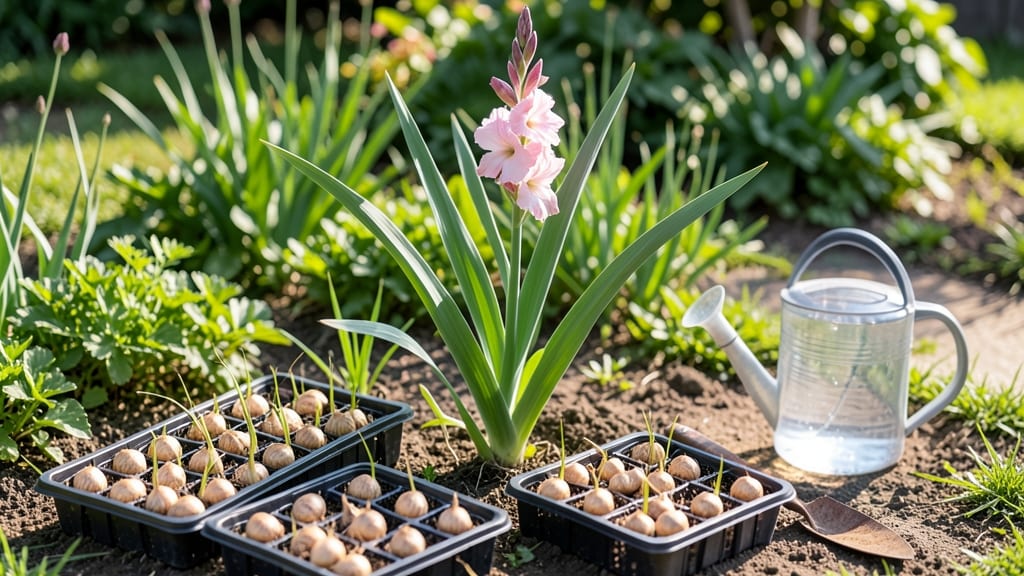
Planting gladiolus in late spring to early summer 🌸 is the secret to show-stopping blooms that last all season. Want to grow gladiolus blooms that stand out in your garden? Timing your planting is everything—miss the…
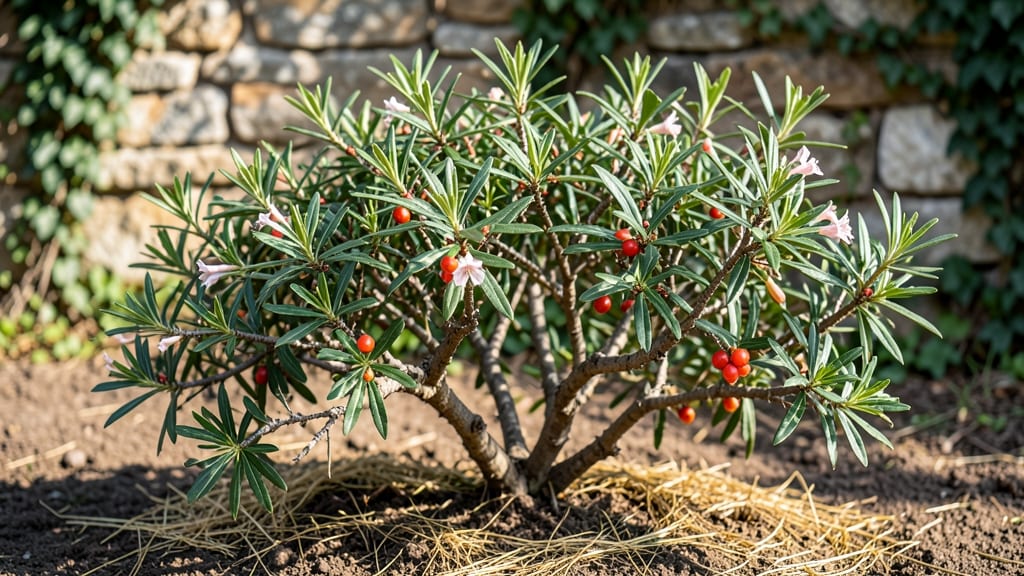
💥 Quick Answer Goji berry plants grow best in USDA hardiness zones 5 through 9, where they can handle temperatures down to -15°F (-26°C) with the right winter prep. Hardy varieties like Lycium barbarum endure light…
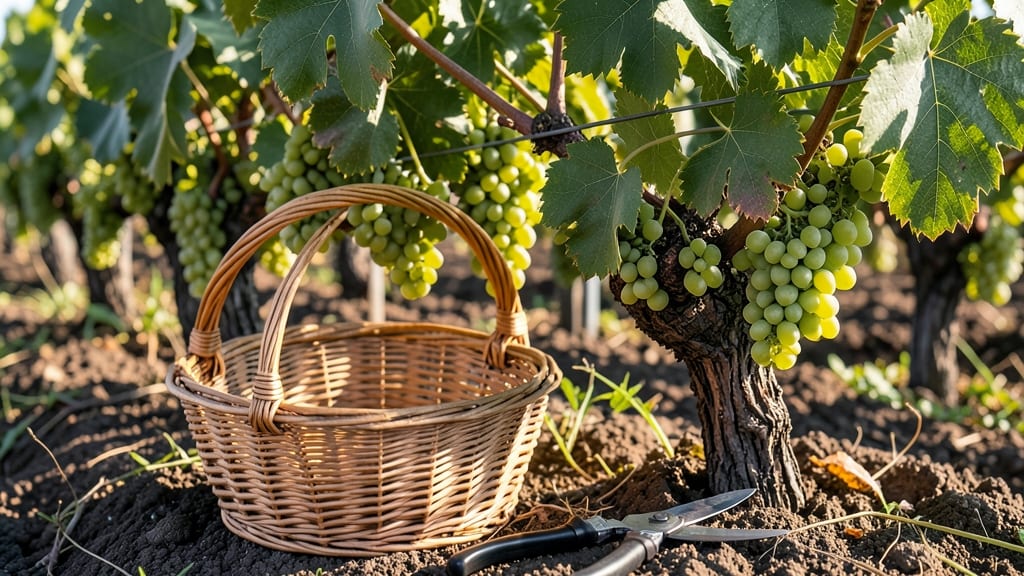
💥 Quick Answer Green grapes reach their peak season from late summer through early fall, with August and September marking the prime harvest months across most U.S. growing regions like California, Washington, and the…
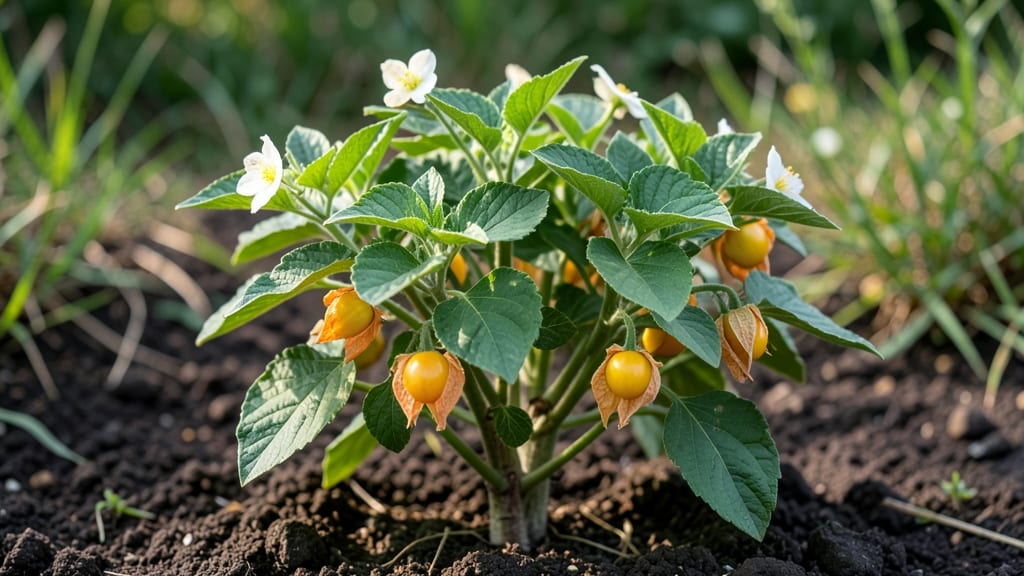
💥 Quick Answer Ground cherries grow best in USDA zones 3 through 9, where warm summers and well-drained soil create ideal conditions. Plant them in spring after the last frost, spacing 12-18 inches apart to ensure…
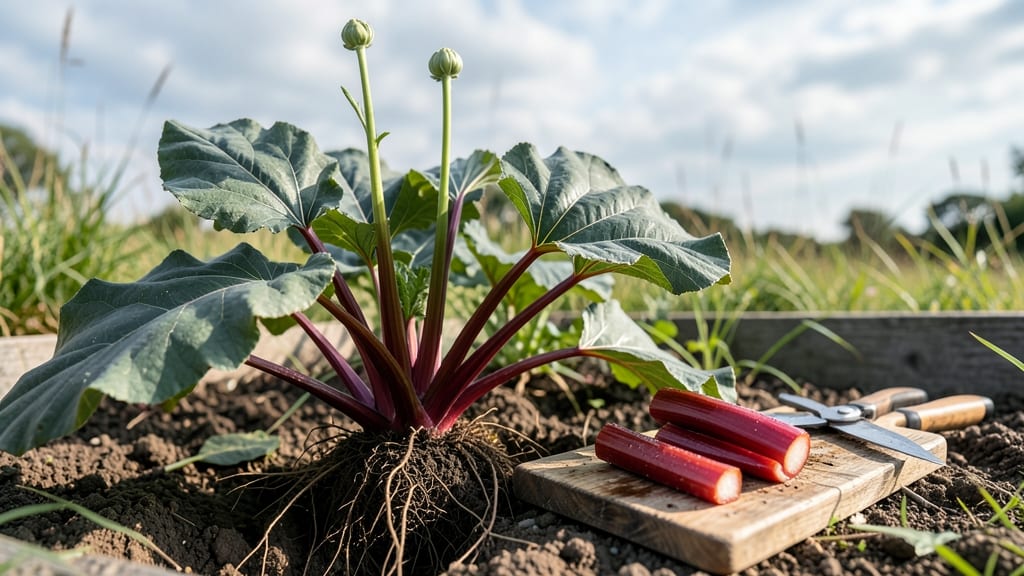
The rhubarb growing season starts with cool spring soil and ends before summer’s heat, a narrow window that makes timing everything for a sweet harvest. Picture this: you’ve waited patiently for your 🍃 rhubarb crown to…
💥 Quick Answer Understanding Oregon's growing zones helps gardeners select plants that thrive in the state's diverse climate, from the cold high deserts of Zone 4 to the temperate coastal Zone 9 areas. Oregon's climate…
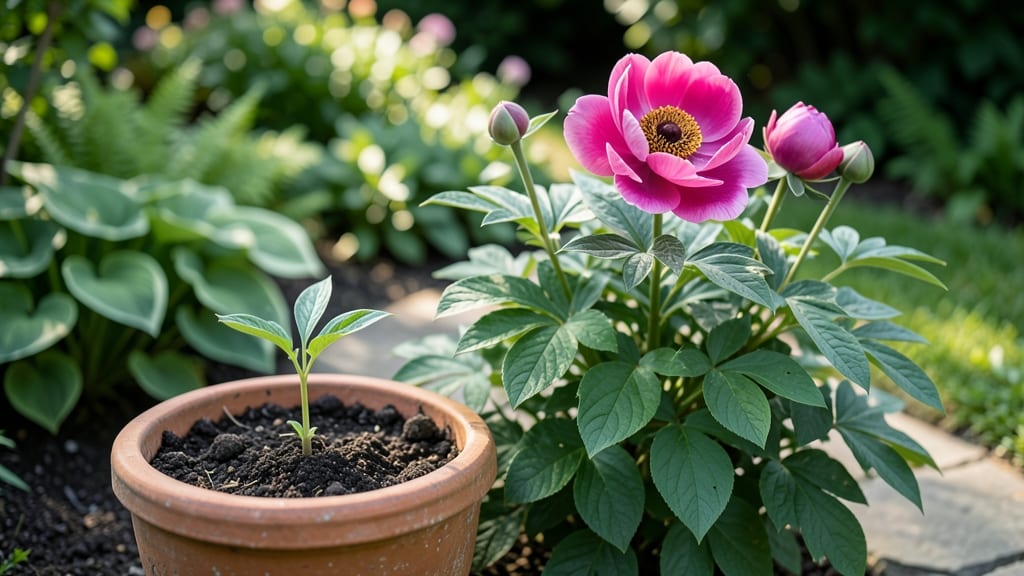
💥 Quick Answer Peony season typically lasts 2-3 weeks of peak bloom, with most varieties flowering between late April and early June across the U.S., though exact timing shifts dramatically depending on your USDA…
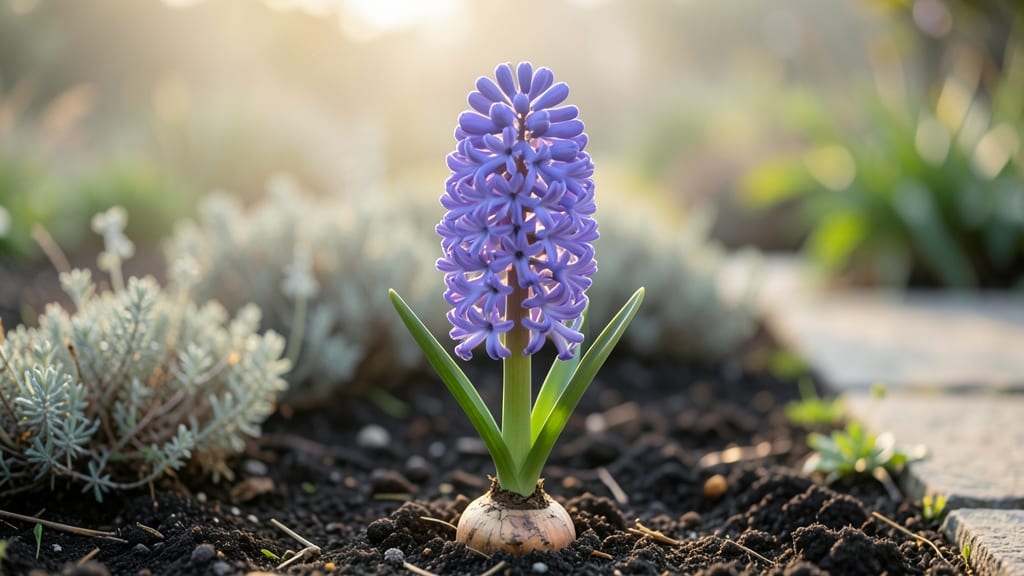
The hyacinth bloom season arrives in late winter to early spring, transforming gardens into fragrant showstoppers with their vibrant colors and intoxicating scent. Imagine waking up to a garden overflowing with fragrant…