
Container Gardens
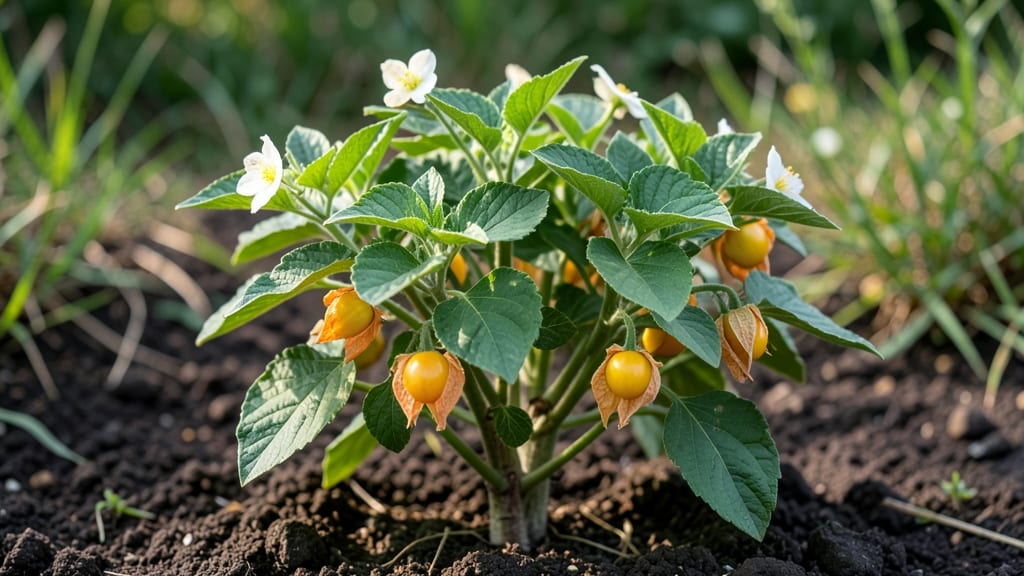
Ground cherries grow best in USDA zones 3 through 9, where warm summers and well-drained soil create ideal conditions. Plant them in spring after the last frost, spacing 12-18 inches apart to ensure proper sunlight and airflow.
Ground cherries are surprisingly adaptable, thriving in a wide range of climates from cold northern states to warm southern regions. 🌱 The key is understanding your local frost dates—these plants need at least 90-120 frost-free days to produce fruit.
I've found that containers work beautifully for gardeners in zones 10+, allowing you to move plants indoors during cooler months. For marginal zones (like zone 10), choose heat-tolerant varieties like 'Pineapple' and use black plastic mulch to warm the soil faster in spring.
What makes ground cherries so rewarding is their ability to produce fruit even in partial shade, though full sun yields sweeter, more abundant harvests. The 12-18 inch spacing isn't just about sunlight—it's also crucial for airflow, which prevents the common fungal issues that plague these plants.
In my experience, the Goldie variety handles cooler climates best, while 'Pineapple' thrives in heat, making them perfect for different growing zones.
💡 In This Article
- USDA Zones for Ground Cherry Cultivation
- Best Ground Cherry Varieties by Growing Region
USDA zones for ground cherry cultivation
Ground cherries are cold-hardy annuals that adapt beautifully to USDA zones 3 through 9, but their success hinges on understanding temperature thresholds. These plants can tolerate brief dips to 15°F when young, but their fruit production suffers below 50°F nighttime temperatures.
The key mechanism is their tropical origins—while they handle chilly springs, they crave consistent warmth to set fruit, which is why zones 5-8 see the most reliable harvests.
In colder zones (3-4), plant after the last frost when soil reaches 55°F, while warmer zones (9+) benefit from black plastic mulch to accelerate soil warming.
The 90-120 frost-free days requirement explains why gardeners in zone 10 must use containers or row covers. These plants flower and fruit rapidly—typically within 60-75 days from transplant—but need stable temperatures above 70°F to develop sweet, golden fruit.
I've noticed that ground cherries in zone 9 often struggle with heat stress above 95°F, so afternoon shade cloth becomes essential during summer peaks. The 12-18 inch spacing also creates microclimates that moderate temperature extremes at the plant level.
For marginal zones (like zone 10), container growing offers flexibility. Move pots indoors when nighttime temps drop below 60°F, or use heat-tolerant varieties like 'Pineapple' that handle 100°F+ better than others.
In cooler zones (3-5), focus on early varieties like 'Goldie' that mature in 55 days, giving them time to fruit before fall frosts. The well-drained soil requirement isn't just about water—it's about preventing root rot from cold, soggy soil that can kill plants before they establish.
What most gardeners miss is how ground cherries respond to microclimates. A south-facing slope can push your zone 6 garden into zone 7 behavior, while a north-facing bed might require zone 5 treatments.
I've seen ground cherries thrive in zone 4 when planted against a sunny brick wall, where the reflected heat created a 5°F warmer microclimate. This is why site selection matters as much as the USDA zone label.
Seasonal timing is equally critical. Plant seeds indoors 8-10 weeks before your last frost date, or direct-sow when soil is 60°F+. In zones 3-4, this might be late May, while zones 7-9 can start as early as March.
The 12-18 inch spacing isn't arbitrary—it creates the airflow needed to dry dew quickly, preventing fungal diseases like powdery mildew that thrive in humid zones 6-8.
One surprising adaptation: ground cherries can handle light frosts (28°F) if the soil stays dry. The papery husks that protect the fruit also act as insulation, but prolonged cold (20°F) will damage leaves.
This is why gardeners in zone 5 often cover plants with row fabric during unexpected late frosts—it buys them 3-5 extra days of protection while the soil warms.