
Planting
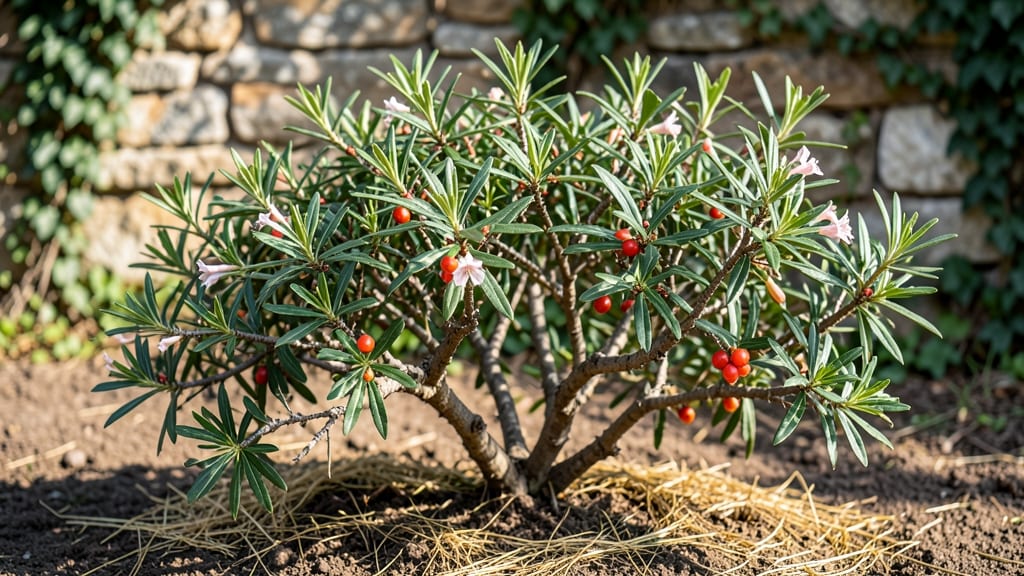
Goji berry plants grow best in USDA hardiness zones 5 through 9, where they can handle temperatures down to -15°F (-26°C) with the right winter prep. Hardy varieties like Lycium barbarum endure light frost but still need protective measures to thrive.
Goji berries actually adapt better to cooler climates than many people realize—think of them as the hardy cousin of tropical fruits. 🌱 The key difference between zones 5 and 9 comes down to winter prep: in colder areas, you'll need to mulch heavily (4-6 inches of straw or leaves) and wrap young plants in burlap.
I've seen gardeners in zone 4 keep them alive by growing them in large containers and moving them to sheltered spots during winter. The Lycium chinense variety is particularly sensitive to frost, so if you're pushing the limits, stick with Lycium barbarum for better resilience.
What's interesting is how microclimates play a role—even within zone 5, a south-facing slope might protect plants from harsh winds that would otherwise damage them. Always check your specific last frost date and plan your winter care accordingly.
For example, in zone 6, you might get away with less aggressive protection than in zone 5.
💡 In This Article
- USDA Hardiness Zones for Goji Berry Growth
- Winterizing Goji Berry Plants for Frost Protection
USDA hardiness zones for goji berry growth
Goji berry plants (Lycium species) thrive primarily in USDA zones 5 through 9, where they experience ideal growing conditions year-round.
These zones represent areas with average minimum winter temperatures ranging from -20°F to +30°F (-29°C to -1°C), creating a perfect balance for goji berries' semi-arid origins. Lycium barbarum, the most cold-hardy variety, can withstand temperatures as low as -15°F (-26°C) when properly protected, while Lycium chinense typically struggles below zone 7 due to its more tropical heritage.
The key difference between these zones lies in their frost-free periods and temperature fluctuations. Zone 5 gardeners face 150-200 frost-free days annually, requiring careful winter preparation, while zone 9 enjoys 270+ frost-free days with milder winters.
In colder zones (5-6), plants enter dormancy earlier and need 4-6 inches of mulch to insulate roots, whereas zone 8-9 plants benefit more from summer shade protection against heat stress.
The plant's natural resilience comes from its ability to drop leaves and enter dormancy when temperatures fall below 40°F (4°C).
Microclimates create significant variations even within zones. A south-facing wall can raise temperatures by 5-10°F (3-6°C) compared to open areas, potentially allowing zone 5 gardeners to grow goji berries successfully where they might otherwise fail.
Container growing adds another layer of flexibility—potted plants can be moved to protected locations during cold snaps, making them viable even in zone 4 with proper care. The plant's deep root system (up to 3 feet) also helps it access moisture and nutrients, contributing to its overall hardiness.
What most gardeners overlook is how soil temperature affects early spring growth. Goji berries need soil temperatures above 55°F (13°C) to sprout consistently, which can be delayed in northern zones. This is why zone 5 gardeners often see slower initial growth compared to their zone 7-9 counterparts.
The plant's native habitat in China's Loess Plateau (where winters drop to -10°F/-23°C) explains its surprising cold tolerance when given proper winter care.
For optimal fruit production, zone 7-9 gardeners should focus on summer watering (1-2 inches per week) and afternoon shade, while zone 5-6 gardeners prioritize winter insulation. The plant's flowers are particularly frost-sensitive—even a light freeze can damage them—so late-spring protection is crucial in marginal zones.
Interestingly, goji berries often produce more robustly in cooler zones because their growth cycle aligns better with natural seasonal changes.
When selecting varieties, Lycium barbarum is the clear winner for cold climates, while Lycium chinense (the more common ornamental variety) struggles below zone 7. The difference lies in their genetic adaptations—barbarum has thicker stems and deeper root systems that store more energy for winter survival.
This biological advantage makes it the preferred choice for northern gardeners aiming for both ornamental beauty and fruit production.